X
Receive information tailored to you
X
Leave your details below and one of our specialists will contact you shortly to provide more information and answer any questions.
In the world of hauling and transporting, versatility is the key to efficiency. Enter the multi-purpose utility trailer – a true game-changer for those seeking a flexible and practical solution for various tasks.
Let’s dive into the numerous advantages that come with owning a multi-purpose utility trailer and how it can revolutionize the way you handle your hauling needs

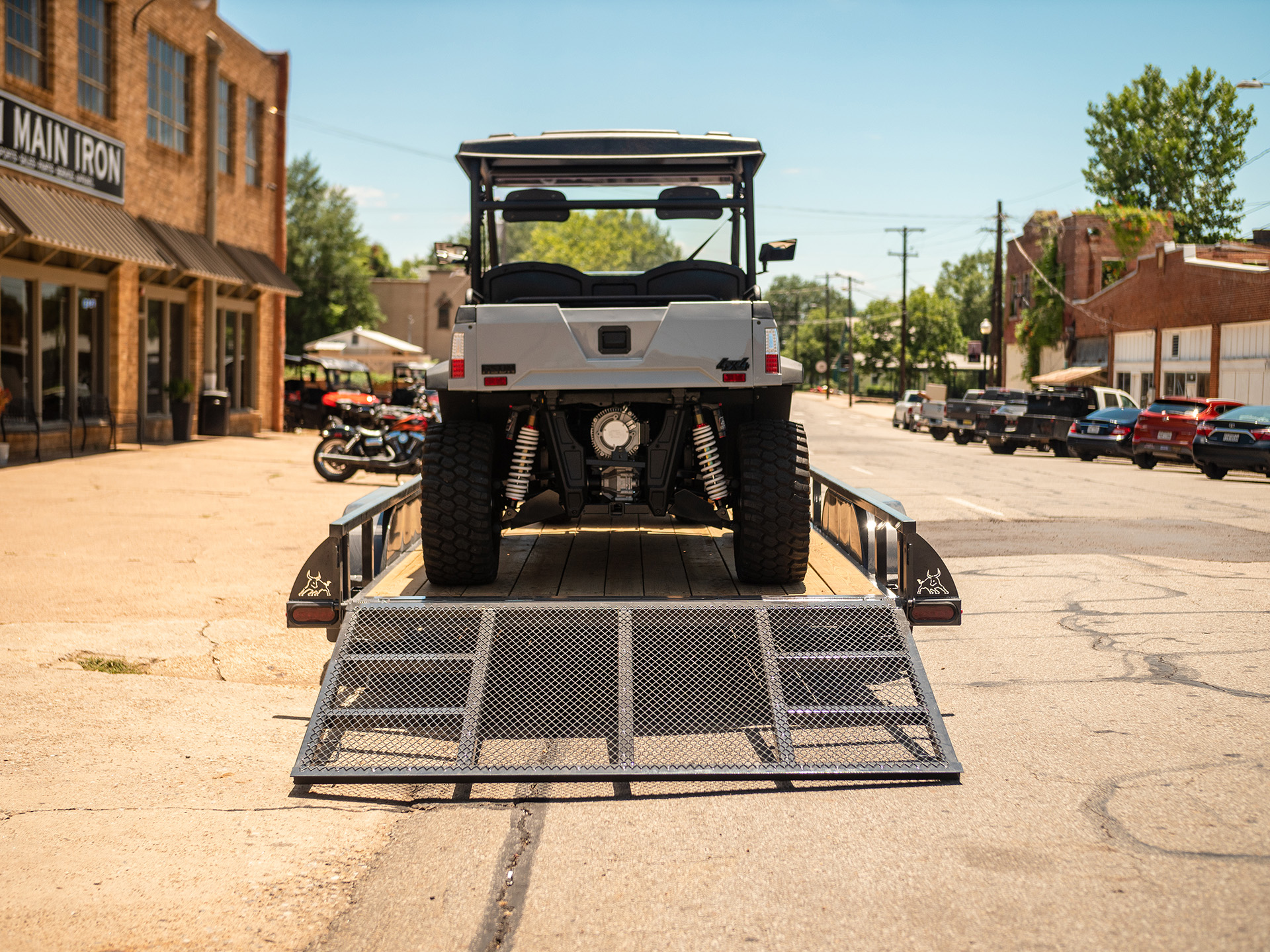
Owning a multi-purpose utility trailer is a strategic investment for those who value versatility, efficiency, and convenience in their hauling endeavors. Whether you're a homeowner, business owner, or outdoor enthusiast, the advantages of owning a multi-purpose utility trailer extend beyond mere transportation – it's about embracing a versatile tool that adapts to your ever-changing needs. Upgrade your hauling experience and unlock the potential of on-demand versatility with a multi-purpose utility trailer today.
Pickup trucks are versatile vehicles, and their functionality can be further expanded with the use of various types of trailers. Whether you're hauling equipment, transporting goods, or looking for a mobile home on the road, there's a trailer designed to meet your needs.
In this guide, we'll explore different types of trailers for pickup trucks, highlighting their characteristics, applications, and key features.
What are trailers?
Trailers are non-motorized vehicles designed to be towed by a motorized vehicle, such as a car, truck, or motorcycle. They serve various purposes, primarily for transporting goods, equipment, or recreational items. Trailers come in different types and designs, each catering to specific needs and preferences.
Common types of trailers include utility trailers, enclosed trailers, flatbed trailers, dump trailers, boat and horse trailers, camper trailers, and motorcycle and ATV trailers, among others. These trailers vary in construction, size, and features to accommodate different types of cargo and activities.
Utility Trailers
Utility trailers, the workhorses of the towing world, are essential companions for pickup trucks, adding a layer of versatility to their functionality. Defined by their open-air design and robust construction, utility trailers serve as indispensable tools for many purposes, from hauling landscaping equipment to facilitating DIY projects, making them a fundamental asset for homeowners, contractors, and outdoor enthusiasts alike.
Use or Purpose
Utility trailers are multi-purpose platforms designed to carry a variety of items. They serve as efficient tools for transporting equipment, furniture, or debris.
Common Features
Typically open-air, utility trailers come with a sturdy frame, a flatbed, and a hitch for easy attachment to a pickup truck.
Applications and Use Cases
Utility trailers find applications in landscaping, construction, and general hauling needs. They are indispensable for homeowners, contractors, and outdoor enthusiasts.
Enclosed Trailers
Enclosed trailers emerge as the guardians of cargo, providing a secure and weather-resistant cocoon for valuable items in transit. Characterized by their enclosed structure and emphasis on safeguarding contents, these trailers cater to businesses and individuals seeking a protective solution for transporting goods, ensuring peace of mind on the road.
Characteristics and Benefits
Enclosed trailers provide a secure, weather-resistant space for transporting valuable or sensitive cargo, protecting it from the elements and potential theft.
Ideal Use Scenarios
Enclosed trailers are perfect for transporting goods that require protection from weather conditions or prying eyes. They are widely used in businesses and personal moving situations.
Notable Features for Security
Enclosed trailers often feature lockable doors, sturdy construction, and additional security measures, making them ideal for transporting high-value items.
Flatbed trailers stand as the open canvases of the towing world, offering a blank slate for transporting a diverse variety of cargo with unparalleled ease. Renowned for their simple yet functional design, these trailers provide a versatile platform ideal for carrying oversized items, construction materials, and goods of various shapes and sizes, making them an indispensable tool for diverse hauling needs.
Functionality and Design
Flatbed trailers offer an open and flat cargo area, allowing for easy loading and unloading of large or irregularly shaped items.
Versatility in Cargo Transportation
These trailers are versatile and suitable for transporting construction materials, machinery, and oversized items that may not fit in enclosed trailers.
Key Features and Considerations
Flatbed trailers may include features like tie-down points, removable sides, and ramps for efficient loading and unloading.
Dump Trailers
Dump trailers revolutionize the art of cargo transport by combining efficiency and convenience among pickup truck trailers. With their unique hydraulic systems, these trailers facilitate the effortless unloading of bulk materials, making them indispensable for construction and landscaping projects seeking streamlined logistics on the move.
Overview of Dump Trailers
Dump trailers are designed for hauling bulk materials and are equipped with a hydraulic system that allows for easy dumping of the cargo.
Practical Uses and Advantages
Commonly used in construction and landscaping, dump trailers streamline the unloading process and reduce manual effort.
Hydraulic Systems in Dump Trailers
The hydraulic systems in dump trailers provide controlled and efficient dumping, enhancing the convenience of transporting loose materials.
Boat and Horse Trailers for Pickup Trucks
Boat and horse trailers for pickup trucks are specialized marvels designed to ensure the safe and secure transportation of prized possessions—be it majestic equines or seaworthy vessels. Tailored with features like anti-sway mechanisms and thoughtful design considerations, these trailers guarantee the well-being of their cargo and open up a world of adventure for enthusiasts seeking to explore both land and sea.
Specialized Trailers for Hauling Boats and Horses
Tailored for specific purposes, these trailers ensure the safe and comfortable transportation of boats and horses.
Design Features for Safe Transportation
Boat and horse trailers come with features like anti-sway mechanisms, secure fastenings, and proper ventilation to ensure the well-being of the cargo.
Considerations for Size and Weight
Selecting the right-sized trailer with the appropriate weight capacity is crucial to ensuring a safe and smooth towing experience.
Camper trailers transform pickup trucks into mobile sanctuaries, offering a harmonious blend of on-the-road adventure and home-like comfort. Designed for those who crave the freedom of exploration without sacrificing the comforts of a traditional home, these trailers provide a cozy haven on wheels for travelers embarking on epic journeys.
Exploring Pickup Truck Camper Trailers
Camper trailers turn pickup trucks into mobile homes, providing a comfortable living space for travelers on the road.
Features for Comfort and Convenience
Camper trailers may include sleeping quarters, kitchen facilities, and bathroom amenities, offering a home away from home.
Advantages of Pickup Truck Camper Trailers
These trailers provide the freedom to travel and camp in remote locations, combining the convenience of a pickup truck with the comforts of a traditional camper.
Motorcycle and ATV Trailers
Motorcycle and ATV trailers are compact yet robust companions for pickup trucks, tailored to ensure the safe and secure transport of recreational vehicles. With their specialized designs featuring secure fastening mechanisms and compact profiles, these trailers cater to the needs of motorcycle enthusiasts and off-road adventurers, offering a convenient and reliable solution for transporting their prized rides.
Tailored Trailers for Motorcycles and ATVs
Compact and specialized, these trailers are designed to transport motorcycles and all-terrain vehicles securely.
Secure Fastening Mechanisms
Motorcycle and ATV trailers often come with secure tie-downs and loading ramps, ensuring the safe transport of these recreational vehicles.
Compact Designs for Easy Towing
Lightweight and easy to tow, these trailers are ideal for motorcycle enthusiasts and off-road adventurers.
Factors to Consider When Choosing a Pickup Truck Trailer
When selecting a pickup truck trailer, a thoughtful evaluation of several factors is crucial to ensure a safe and efficient towing experience. From payload capacity to legal compliance, each consideration plays a vital role in determining the compatibility between your pickup truck and the chosen trailer.
1. Payload Capacity and Compatibility
Knowing the payload capacity of a trailer is paramount, as it directly correlates with the weight of the cargo it can carry. Ensure that the chosen trailer aligns with your pickup truck's towing capacity, preventing overloading issues that could compromise safety and performance on the road. By matching the payload capacity and compatibility, you optimize the efficiency of your towing setup.
2. Trailer Hitch Types and Classes
The relationship between a pickup truck and its trailer hinges on the hitch connection, and choosing the right type and class is pivotal. Different trailers require specific hitch types, and classes are determined by the weight-carrying capacity.
Assess your pickup truck's specifications and select a hitch that aligns seamlessly with the weight and design of the trailer, ensuring a secure and stable connection during transportation.
3. Trailer Brake Systems
Understanding the diverse brake systems available for trailers is essential for safe towing. Depending on the type of trailer and local regulations, options include surge brakes, electric brakes, and hydraulic brakes.
Evaluate your towing needs and legal requirements to choose a brake system that enhances control, responsiveness, and compliance with safety standards, promoting a secure towing experience.
4. Legal Requirements and Safety Standards
Make sure to acquaint yourself with local regulations and safety standards governing trailer use. Different regions may have specific requirements regarding trailer dimensions, lighting, and other safety features. Complying with these regulations not only ensures legal adherence but also contributes to safer road conditions for both you and other motorists.
Prioritize safety by understanding and adhering to the established standards, fostering a responsible towing environment. A reputable manufacturing company, such as Norstar Company, can help you find a dealer and assist you with all the legal requirements.
Maintenance and Care Tips for Pickup Truck Trailers
Ensuring the longevity and optimal performance of pickup truck trailers goes beyond the initial selection process, requiring a commitment to regular maintenance and care. Here are some essential tips for preserving the condition of your trailer, covering everything from routine inspections to storage practices that contribute to extended durability on the road.
Routine Inspection and Cleaning
Regularly inspect the trailer for wear and tear, clean it thoroughly, and address any issues promptly.
Lubrication and Rust Prevention
Apply lubricants to moving parts and employ rust-prevention measures to enhance the longevity of the trailer.
Tire and Brake Maintenance
Check and maintain proper tire pressure and inspect the brakes regularly to ensure safe and efficient operation.
Storage Practices for Extended Longevity
Store the trailer in a secure and sheltered location when not in use to protect it from the elements and potential damage.
Enhancing Your Pickup Truck's Potential By Choosing the Right Trailer for Your Needs
As you explore the various types of trailers for pickup trucks, it's essential to understand your specific needs and choose a trailer that aligns with your requirements.
Whether you’re hauling equipment, embarking on a road trip, transporting specialized cargo or trying to build a career as owner operator dump truck, the right trailer can enhance the functionality of your pickup truck.
For high-quality pickup truck trailers, consider exploring the offerings from Norstar Company, a trusted name in the industry that provides reliable and durable solutions for your towing needs. Build your tailored trailer today!
Trucks come in different shapes and sizes, and so make their beds. The bed of a car is one of the essential parts of a pickup, as it determines the kind of load it can carry and how it's transported. The type of truck bed that is suitable for you will depend on the purpose of your truck and what you will be hauling.
With a wide variety of truck beds on the market, choosing the right one for your needs can be overwhelming. In this article, we'll tackle the different types of truck beds available, and their features, to help you pick which one suits your requirements.
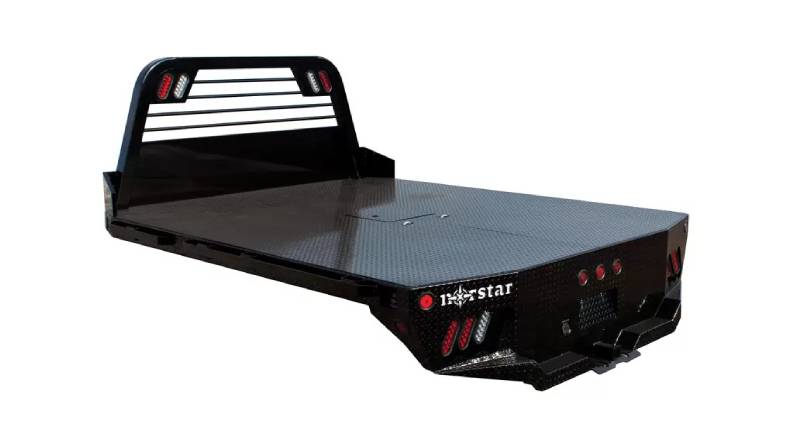
Truck beds, also known as cargo boxes, are the area of a pickup truck designed to haul various types of cargo. This open area is located at the vehicle's rear and is typically separated from the cabin by a partition. The bed is one of the defining features of a pickup truck, and it is what sets them apart from other types of vehicles. It is typically made of steel, aluminum, or composite materials and is designed to be durable and withstand heavy loads. Truck beds come in a wide range of sizes and configurations, and the type of bed that is suitable for you will depend on the intended use of your truck.
Some are designed for hauling heavy equipment or materials, while others are designed for more specialized tasks such as transporting livestock, moving dirt, or carrying tools and equipment. The bed of a truck is an essential component of a pickup, making them such a versatile vehicle for both work and play.
The features of a truck bed can vary depending on the truck's model and the vehicle's intended use.
A bed liner is a protective layer added to the bed's surface to prevent scratches, dents, and rust caused by heavy loads or rough materials. It can be made of various materials such as rubber, plastic, or carpet, providing a non-slip surface that keeps the cargo from sliding around.
The tailgate is the hinged panel at the end of the bed and can be raised or lowered to load and unload cargo. It can be removed entirely for more oversized items or to create a more significant workspace. Some models have a lockable tailgate for added security.
Tying points are hooks, loops, or rings mounted on the bedroom walls or floor, allowing the cargo to be secured. These tying points help to prevent the load from shifting or sliding during transportation and can be used to attach straps, bungee cords, or tie-downs.
Bed lighting is an optional feature that provides illumination in the bed area for better visibility, especially in low-light conditions. It can be located on the tailgate or the side walls and can be turned on and off manually or automatically when the tailgate is opened.
A drainage system is a set of channels or holes that allow water or other liquids to drain out of bed. It helps to prevent the accumulation of water, which can cause rust or damage to the cargo. Some truck beds have a built-in drainage system that leads to a water outlet, while others have removable plugs that allow the water to drain out.
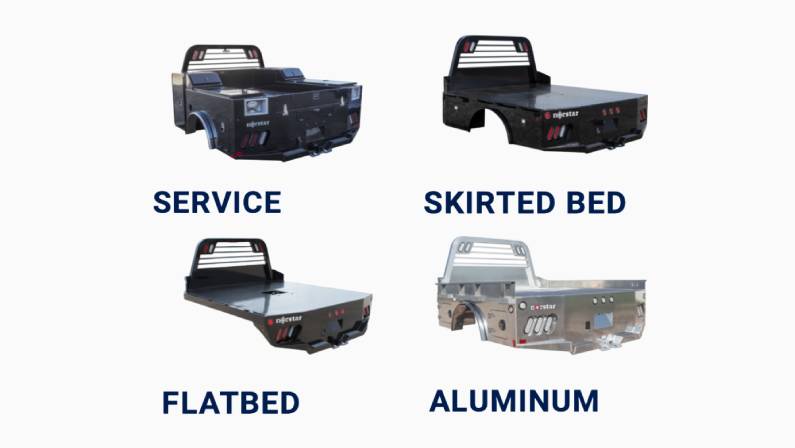
The following are the different types of truck beds with various functions.
A short bed is typically less than 6 feet long and is a standard option for mid-size and smaller trucks. It is an excellent choice for drivers who need a more compact truck bed for everyday use and easy maneuverability.
A standard bed is typically around 6.5 to 8 feet long and is a common option for full-size trucks. It balances cargo space and vehicle length well, making it a versatile choice for everyday use and larger loads.
A long bed is typically over 8 feet long and is an excellent choice for drivers who need extra cargo space for more extensive or longer loads. It is commonly used for commercial or heavy-duty applications.
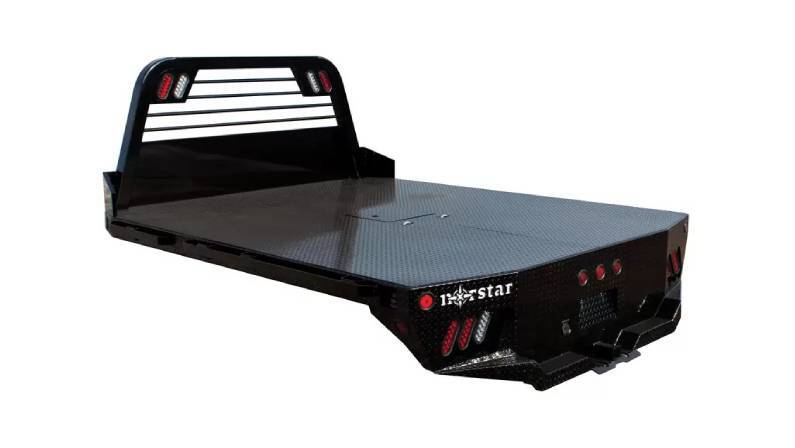
A flatbed truck bed without sides or a roof provides an open space to haul larger or bulkier items. They are commonly used for commercial purposes and are available in different sizes and configurations.
A skirted bed is a flatbed with additional side and rear storage compartments. It provides added storage space and security for cargo and tools, making it a popular choice for commercial and work trucks.
A dump bed is a truck bed designed to tilt and dump the cargo at the truck's rear. It is commonly used for hauling loose materials, such as gravel or dirt.
A utility bed is a truck bed designed to hold various tools and equipment used in commercial and industrial applications. It typically has built-in storage compartments and drawers for added organization and convenience.
An aluminum bed is a lightweight and durable option resistant to rust and corrosion. It is commonly used for commercial and heavy-duty applications where weight is a concern and durability is essential.
Truck beds can be made of various materials, each with pros and cons. The most common materials used in truck beds are steel, aluminum, and composite.
Steel is the most traditional material used in truck beds and is known for its strength and durability. It is resistant to wear and tear and can withstand heavy loads and rough handling. However, steel can be prone to rust and corrosion, especially if it is not adequately protected.
Aluminum is famous for truck beds, especially in heavy-duty and commercial applications. It is lightweight, which can improve fuel efficiency, and it is resistant to rust and corrosion. Aluminum is also more flexible than steel, which can help absorb shock and reduce damage to the cargo. However, aluminum is more expensive than steel and may require additional reinforcement to maintain strength and durability.
Composite materials are a newer option for truck beds, and they are made of a combination of plastics, fiberglass, and other materials. They are lightweight, durable, and resistant to rust and corrosion, making them an excellent choice for many applications.
Composite materials can also be molded into various shapes and sizes, providing additional flexibility in design. However, mixed materials may be more costly than steel and aluminum and may be less widely available.
Ultimately, the choice of material for a truck bed depends on several factors, including the intended use, the desired level of durability, and the available budget.
Each material has its own set of advantages and disadvantages, and it is essential to consider all options carefully to ensure the best choice for the specific needs of the driver or business.
Several factors need to be considered when picking a truck bed to ensure the best option is selected. The purpose of the truck, storage and hauling needs, budget, and style preferences are all crucial factors that should be considered when selecting a truck bed.
The truck's purpose is a critical factor in determining the right bed. Some trucks are used for commercial purposes, while others are used for personal use. Commercial trucks require heavy-duty beds that can handle the weight of the load, while personal-use trucks may require a more versatile and flexible bed.
Storage and hauling needs are also critical considerations. It is essential to note the size and weight of the items that will be transported, as well as the frequency of the bed use. Depending on the items being hauled, it may be necessary to select a specific bed material or type to ensure the safety and security of the cargo.
Budget and affordability are also essential factors when selecting a truck bed. Different materials and types of truck beds have varying costs, and it is necessary to ensure that the fixed bed fits within the available budget. However, it is also crucial to balance affordability with quality and durability to provide a bed that will last for a long time.
Finally, style preferences should also be considered when choosing a truck bed. Different types of truck beds have different styles, and it is essential to select a bed that fits with the overall look and feel of the truck.
Some drivers prefer a more traditional style, while others prefer a more modern or unique design. By considering all these factors, drivers can ensure that they select a truck bed that meets their needs and preferences.
Determining the cost of a truck bed can be a complex process, as it depends on several factors, such as the material, size, and customization options. It is essential to consider these factors to get an accurate estimate of the truck bed cost.
At Norstar Company, we have a team of truck bed specialists who can provide an estimated cost based on the specific needs and requirements of the customer.
We offer a wide variety of options for truck beds, including steel, aluminum, and composite materials, as well as various sizes and customization options.
Our team can work with the customer to determine the best option for their needs and provide a competitive and transparent estimate of the cost of the bed.
It is vital to work with a trusted and experienced truck bed specialist like Norstar Company to ensure that the customer gets the best value for their investment.
By taking into account the customer's specific needs, including the truck's purpose, storage and hauling needs, and budget, our team can provide an estimated cost that accurately reflects the value and quality of the bed.
If you want a truck bed, we encourage you to talk to our team of truck bed specialists at Norstar Company to get an estimated cost and find the best option for your needs.
Choosing the correct type of truck bed is crucial to ensure you get the best performance and durability from your pickup.
Whether you need a flatbed, service body, dump bed, or any other type of truck bed, it's essential to consider the specific features that will meet your requirements.
Norstar Company is a top truck bed manufacturer in Texas that offers custom-made truck beds that can withstand heavy loads and harsh conditions. Our innovative designs and quality materials make them a fantastic choice for anyone looking for a long-lasting truck bed.
With Norstar Company, you can confidently invest in a truck bed built to last. So, consider Norstar Company as your go-to manufacturer if you're in the market for a new truck bed.
Contact us to learn more about how to get started today!
When transporting a heavy load, it is essential to ensure that your truck is adequately weighted down. This will help to ensure safe driving and avoid any potential accidents. In this blog, we will go over the weight of a truck bed and how to weigh it down correctly. We will also look at the average pickup truck weight and some of the best ways to distribute the weight evenly.
Each type of truck bed weighs differently. On average, their weights are:
Steel truck beds are often used for heavy-duty trucking and usually weigh between 400 to 500 pounds. This type of truck bed is durable and can handle larger loads than other materials, making it ideal for those who need to transport large items.
Aluminum truck beds are typically lighter than steel truck beds and usually weigh between 250 to 350 pounds. This truck bed is ideal for those who need to transport more lightweight materials, such as furniture or boxes of clothing.
Fiberglass truck beds are a lightweight truck bed option, usually weighing between 200 to 350 pounds. These truck beds are ideal for those who need to transport lighter materials, such as furniture or boxes of clothing.
The weight of the truck bed is significant in many ways, including:
A truck with a heavier truck bed will be less fuel efficient than a lighter truck bed. This is because the car has to work harder to pull the additional weight and, in turn, uses more energy.
When transporting heavy items, it is essential to ensure that the truck bed is appropriately weighed down. An uneven truck bed weight can lead to dangerous driving conditions, as the truck may become off-balance and harder to control.
An unbalanced truck bed weight can also cause damage to the truck itself; misdistributed truck bed weight increases wear and tear on truck components and can even cause the truck bed to break down.
A truck with an overloaded truck bed can be dangerous to drive as it can affect the vehicle's handling and stability. This is especially true when driving at higher speeds or on curvy roads.
It is vital to ensure that the truck bed weight does not exceed legal limits, as this could result in penalties or fines. It is also vital to keep in mind any weight restrictions on roads and bridges.
Several factors contribute to the weight of a truck bed.
These include:
The truck bed style can affect the truck bed weight. For example, a flat truck bed will be lighter than a truck bed with sides, as the truck bed will not need to support the added weight from walls or other structures.
The truck bed material can also affect the truck bed weight. Steel truck beds are typically heavier than aluminum truck beds, and fiberglass truck beds generally weigh less than steel or aluminum truck beds.
The truck bed accessories also contribute to the truck bed weight. If the truck is equipped with a truck bed liner, toolboxes, or other equipment, it may add additional weight to the truck bed.
The truck bed size can also affect truck bed weight. More extensive truck beds will typically weigh more than smaller ones due to the increased amount of material used.
It is important to remember that truck bed weight is only one factor in determining the overall truck weight. The average pickup truck weighs between 5,000 and 7,500 pounds.
Here's a guide on how much pickup truck beds usually weigh.
If you have a certain car model in mind, check their truck bed's weight below.
The truck bed weight can be calculated by multiplying the truck bed length, width, and height in feet. For example, if a truck bed is 8 feet long, 6 feet wide, and 2 feet high, the truck bed weight would be approximately 96 pounds.
The best way to weigh down a truck bed is by adding truck bed accessories such as truck bed liners, truck bed mats, or truck bed covers. These truck bed accessories will add additional weight and help keep your cargo safe and secure while driving. It's also essential to ensure that the truck bed accessories are correctly secured before taking off on your trip.
On top of truck bed accessories, you can also add weight by loading heavy items such as sandbags or truck toolboxes. This will help spread the load evenly throughout the truck bed and keep your cargo secure while driving. Additionally, it's essential to pay attention to the truck bed's weight limit so that you don't overload it.
If you're looking to increase your truck's weight capacity, there are several things you can do. One option is to install a truck bed extender. This device will extend the truck bed and allow for additional cargo weight. Another option is to purchase an aftermarket suspension lift kit, which will raise the truck bed and limit how much weight it can handle.
Furthermore, you can add truck bed strengthening components such as cross members and stabilizers to help increase the truck's weight capacity. You can also invest in a truck bed tonneau cover, adding extra protection to your truck bed and helping improve its weight capacity.
If you need the best truck bed for your pickup, you can check Norstar Company. They can also recommend the best one for your ride and needs.
Putting too much weight on your truck bed can cause several issues. One issue is an increased risk of tipping over, especially if the truck bed is overloaded on the sides or in the center. Moreover, your truck may need help with the added weight during braking and cornering.
Finally, an overloaded truck bed can damage the truck's suspension and tires over time. Therefore, pay attention to your truck's weight limit and ensure that you stay within it when loading your truck bed.
Several things you should take into account when choosing the right truck bed weight include:
Regarding truck bed weight, there are many things to consider. The truck's average pickup truck weight and how you can increase its capacity with aftermarket suspension lift kits, truck-strengthening components, or tonneau covers will determine your overall success in carrying a heavy load safely and securely.
Pay attention to the truck bed's weight limit and ensure that you stay within it when loading it, as this could lead to severe issues like tipping over or damaging the truck's suspension. By following these guidelines for calculating the right weight for your truck bed, you should be able to transport cargo without any problems.
Check out Norstar Company for all your truck bed needs. Build and quote through here.
REFERENCES:
Dump trailers are designed to haul bulk materials, like dirt, gravel, rocks, and other heavy materials, that would be difficult to move with just a regular pickup truck bed. They come in all shapes and sizes-from small workhorse dump trucks that can carry up to twenty tons of payload to large commercial dump trucks that can haul up to one hundred tons!
Our goal is to make sure everyone has access to quality dump trailers at an affordable price. Our products are manufactured in accordance with industry standards and made from high-quality materials, so they will last through even the toughest job site conditions. Read on to learn more!
A dump trailer is a specific kind of trailer with an open box bed that can have the front lifted easily to dump the materials out. Simply put, these trailers let you transport significant amounts of materials and drop them off at various locations.
You can haul, transport, and dump waste and scraps using these trailers. They are essential for disposing of waste, outdated materials, and debris. They can be transported for disposal from one place to another. A trailer with a hydraulics system is necessary so that it can empty the rubbish.
Determining the cost of a dump trailer can be a difficult task. It's important to know how much you'll be paying for your trailer, so you can plan for it in advance.
Trailers come in many different sizes and styles with different features and capabilities. Some are designed for specific uses or environments, while others can be used in a variety of situations. The cost of these trailers will vary greatly depending on the size, style, and features that they come with.
A dump trailer is a piece of equipment that can be used for many different purposes, but its most common use is to haul materials from one place to another. When you're looking to buy a dump trailer, you'll have to consider a few factors.
First, the size of the trailer will affect how much it costs. If you need a small dump trailer for just one person or two people to use, then it's going to cost less than a large dump trailer that can be used by many people at once.
Second, payload capacity is also an important factor in determining price. Payload capacity refers to how much weight (in pounds) your trailer can hold before it begins to sink into the ground due to all that weight sitting on its axles, which causes damage and often results in having to buy another trailer sooner than expected.
Thirdly, volume capacity refers to how much volume (in cubic feet) your trailer can hold before it begins to sink into the ground due to all that volume sitting on its axles, which causes damage and often results in having to buy another trailer sooner than expected.
Fourthly, the material is another important factor when considering cost because different materials cost different amounts of money depending on where they're sourced from (like steel vs. aluminum). For example, steel is more expensive than aluminum but lasts longer than aluminum does.
The other important factor is the features of the trailer, which will determine how much it will cost to buy, how much it will cost to maintain, and how long it should last.
The cost of a dump trailer will depend on the factors you want to use for your project. The following are our dump trailers with descriptions for you to get a better idea of what you should get! Contact our representatives for more information about the cost of your chosen trailer!
These dump trailers feature top-of-the-line brake axles and radial tires, providing a solid foundation for each Iron Bull dump trailer and ample grip for stopping power. Sherwin-Williams Powdura powder coat gives each trailer a rugged finish with a showroom shine.
Hydraulic cylinders are the muscle for each Iron Bull dump trailer, and remote-operated hydraulic pumps feed the beast. This trailer comes with lifetime LEDs provided by TecNic lighting - and all units are powered by an Interstate deep-cycle battery.
Each Iron Bull Trailer also comes equipped with a standard tarp kit, stake pockets, locking pump box, five-position adjustable coupler, multi-function gate, and 110v wall outlet charging receptacle for your battery.
Our 60" wide 7k bumper pull dump may be small, but it's full of might. With two 3500 lb axles and tons of standard features, this model is a great addition to any job site or home.
Iron Bull DTB dump trailer beast models are built to work. Every DTB sits atop of a dual layer of 6" I-beam weighing in at 12 pounds per ft main frame construction. That's 24 lbs/ft of pure steel putting maximum strength into the most critical part of your trailering system. Our 83" wide 14k bumper pull is by far our most popular model. With two 7k axles and tons of standard features, This model is a perfect fit for the contractor or weekend warrior.
Our DWB dump trailer brings 8" monoframe I-beam construction into the fold, making the unit 2" shorter than our standard DTB. Built with the same rugged user in mind as our DTB model, The DWB comes in standard configurations only, but should have all the options to satisfy the needs of any serious Dump user.
Iron Bull DTG14 Dump Trailer models are built to work. 12" I-Beam neck and risers, 14,000k - 21,000k of GVWR, and 3" channel cross members with 16" centers. Top-tier components come together with the most rugged construction on the market to deliver a dump trailer like no other.
Iron Bull DTG21 triple axle dump trailer is a heavy hauler. 12" I-Beam necks and 21,000 lbs of GVWR have enough lifting power to ensure you can always get your job done. Top tier components come together with the most rugged construction on the market to deliver a dump trailer like no other.
Iron Bull is happy to offer one of the best Deckover Dump Trailers on the market, expertly made in the USA. Our DDP offers a raised deck to accommodate 10 Gauge fold down sides and a bed width of 96". Each deckover is equipped standard with 10" I-Beam frame, 3" channel crossmembers, 10 Gauge smooth steel floor, 2 5/16" couplers, a 10k Drop-Leg jack and more. Combine ramps with our standard fold down sides and this trailer can be used for almost any task.
Versatility is the name of the game with the Iron Bull DDG Gooseneck Deckover Dump Trailer . Expertly made in the USA, our DDG offers a raised deck to accommodate 10 Gauge Fold Down sides and a bed width of 96". Each Deckover is equipped standard with 10" I-Beam frame, 3" channel crossmembers, 10 gauge smooth steel floor, 2 5/16" couplers, a 3-way spreader gate and so much more.
Our DSG, (better known as the ''Frankendump'') is back and is BETTER than ever! No job is too big for this monster.
The all-new DRG is not your average dump trailer. Built after the DSG but with a square bottom, there isn't anything this trailer can't haul.
The all-new DMG is not your average dump trailer. Built after the DSG but with a square bottom, there isn't anything this trailer can't haul.
Dump trailer maintenance and upkeep costs can vary substantially, depending on the type of trailer you have and how often you use it.
If you're looking for a dump trailer, you've come to the right place! Norstar Company can help you find the perfect dump trailer for your needs and budget.
We know that there are a lot of options out there-so many, in fact, that it can be hard to choose which one is right for you. That's why we've done all the hard work for you: we've gathered all the best options and put them together in one convenient place, so you can shop at your leisure.
When you're looking for a dump trailer, there are a lot of things to consider. You want to make sure that it's going to work well for the job you need it for and that it fits within the budget you have.
We hope this article has been helpful in answering your questions aboutdump trailers-and if you have any more questions, feel free to reach out!
Getting the best truck bed solutions provider is crucial because it ensures that your truck bed is not only functional but also durable and able to withstand the demands of your job or lifestyle.
Top Manufacturer of Truck Bed in Texas
Norstar Company is a leading manufacturer of truck beds in Texas, known for its incomparable quality. With a commitment to using only the finest materials, we have etched our name as a top choice for truck owners who require the best for their vehicles.
With years of experience in the industry, Norstar Company has established itself as the go-to choice for truck bed needs in Texas. Norstar Company has everything you need, from custom-made truck beds to advanced facilities to get the most out of your truck.
[Call us today for your truck bed!]
Picking the correct type of truck bed is essential for ensuring that your truck is equipped to meet your specific needs and requirements. The right truck bed can help you maximize the utility of your vehicle, improve your work efficiency, and ensure that your tools and equipment are protected.
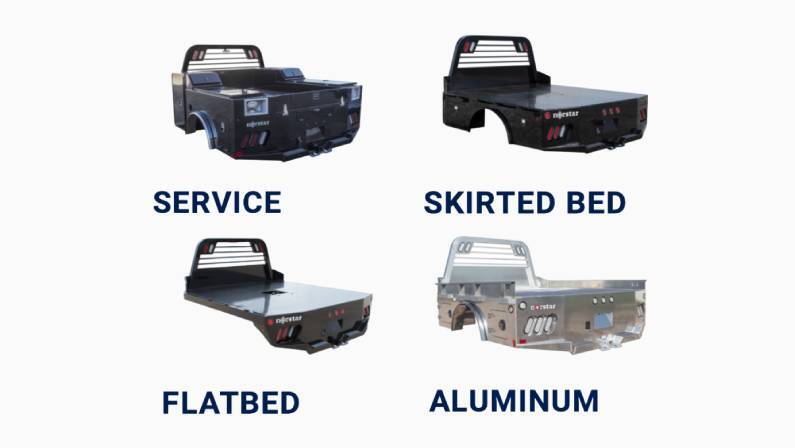
A Service Bed is a purpose-built truck bed designed for various vocational trades, featuring integrated storage compartments, shelving units, and drawers to accommodate multiple tools, equipment, and materials.
The Norstar SD Service Bed is the epitome of versatility and functionality, designed to meet the demands of the discerning tradesperson. Our service bed boasts a comprehensive array of standard tool storage boxes and an extensive array of customizable options to cater to the requirements of individuals working in diverse and dynamic environments.
The Norstar UB Service Bed represents a departure from conventional service bed offerings, catering to the dynamic needs of the mobile tradesperson. This bed is designed to provide a mobile workstation that accommodates an array of tools and equipment, ensuring that essential resources are always readily accessible.
The Norstar SC Service Bed represents a premium option for individuals whose vocations require frequent mobility. Our fully-featured service bed has a comprehensive array of standard tool storage compartments and a range of customizable options, providing unparalleled versatility.
The Norstar SL Journeyman Bed represents the harmonious union of two of our most renowned models, the SD and ST. This bed embodies the salient features, delivering unparalleled functionality and versatility.
A Flatbed is a truck bed characterized by an open and flat platform structure, typically made of materials such as steel or aluminum. It provides ample and versatile hauling capacity for cargo and equipment, making it a common choice for various commercial and industrial applications.
The Norstar SR model is a hallmark of our product portfolio and for a justifiable cause. This flatbed configuration embodies all of the essential features required for optimal performance.
The Skirted Bed truck bed is a specialized flatbed with an aerodynamic skirt extending downward from the bed's sides to enhance its aesthetic appeal and hauling efficiency.
The Norstar ST Skirted Truck Bed offers an ideal solution for those seeking a durable working bed with ample built-in storage. This bed has many features, including four standard locking boxes and robust ten-gauge side panels complemented by an 11-gauge full-skirted bumper.
The Norstar WH Western Deluxe Bed is a premier truck bed that sets the bar for excellence. With its top-notch design, intricate detailing, and wide range of accessories, this bed is the epitome of class and sophistication.
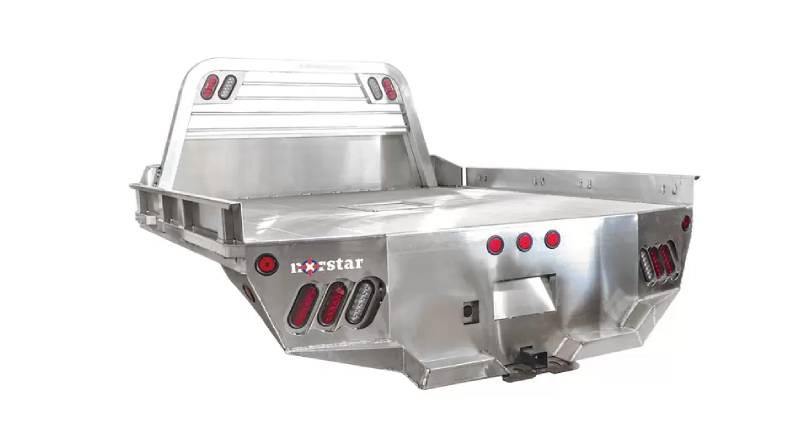
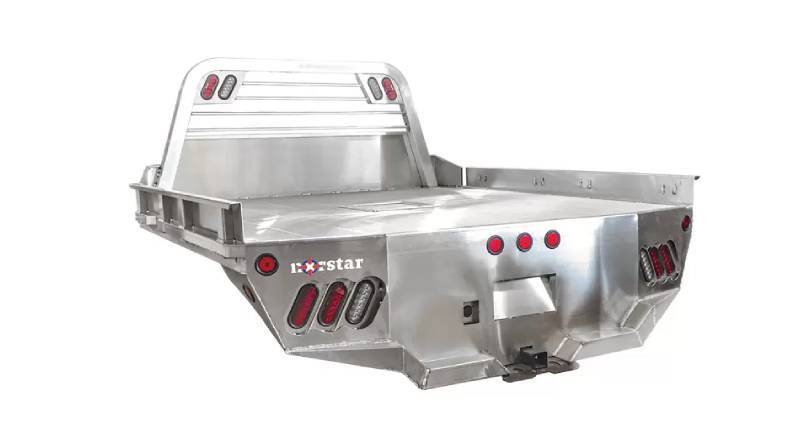
Aluminum Texas truck beds provide a lightweight yet durable solution for transporting heavy equipment and materials, offering superior corrosion resistance and ease of maintenance compared to traditional steel beds.
The Norstar AR Model is a highly sought-after aluminum flatbed solution that embodies the best of both worlds. By combining the functional design of our best-selling SR bed with the benefits of lightweight aluminum construction, the AR model represents the ultimate flatbed solution for work trucks.
The Norstar AT Skirted Aluminum Truck Bed is specifically designed for individuals needing ample storage capacity, offering the benefits of lightweight aluminum construction and additional storage capabilities.
Want high-quality truck beds in Texas? Visit Norstar Company Today!
Norstar Truck Beds’ Quality
Norstar Company is dedicated to crafting the highest quality truck beds in Texas, using only premium materials and innovative designs.
The company's commitment to excellence starts with selecting the finest raw materials, including heavy-duty steel and lightweight aluminum. These materials are carefully chosen for their strength, durability, and resistance to the most challenging working conditions.
To ensure the longevity of each truck bed, Norstar uses cutting-edge manufacturing processes and strict quality control measures. The beds are designed to withstand heavy loads, rough terrain, and exposure to the elements.
Additionally, every bed is rigorously tested to meet or exceed industry standards before it leaves the factory. From welding and assembly to finishing and painting, Norstar is committed to delivering Texas truck beds built to last. Customers can feel confident that their investment will provide reliable service for years to come.
Norstar Company ensures that you receive a truck bed that meets your specific needs and lasts for years.
Every truck owner has unique needs and requirements. That's why we offer custom-made solutions to ensure you get hold of the truck bed that meets your needs.
Our team of truck bed specialists is not only knowledgeable but also passionate about their work. They are highly skilled and well-trained and take pride in their craftsmanship.
We understand the demands of hard work and rough terrain and build our truck beds and trailers to withstand it all. You can rely on our products to work as hard as you do.
Our facilities are equipped with the latest technologies and tools, allowing us to manufacture truck beds and trailers of the highest quality. We take pride in our state-of-the-art facilities and use them to provide the best possible products to our customers.
[Contact us for your truck bed today!]
Working with Norstar Company as your truck bed and Iron Bull manufacturer in Texas will provide peace of mind and confidence in the equipment used.
As a trustworthy manufacturer, we have a proven track record of providing high-quality equipment and outstanding customer service.
We offer warranties and maintenance services, which can provide additional security for the equipment. With Norstar, we also ensure that the transportation process runs smoothly, reducing downtime and increasing productivity.
With a commitment to excellence and a reputation for reliability, Norstar Company is considered the best and most trusted manufacturer of top-quality truck beds and Iron Bull trailers in Texas. We meet the demands of the toughest jobs and provide unparalleled durability, functionality, and value.
[Learn more]
We offer durable truck beds and Iron Bull trailers for all your transportation needs.
Our advanced manufacturing process and high-quality materials result in truck beds that withstand even the most challenging conditions. Whether transporting goods across town or the country, you can trust that our truck beds will keep your cargo safe and secure. In addition, our team of experts is always on hand to offer support and advice, ensuring that you get the best from your investment.
Our trailer products are made from the best materials. They undergo manufacturing techniques to ensure that our trailers can handle even the most challenging jobs. Our trailers protect your load with adjustable hitches and sturdy frames. Get in touch with our knowledgeable and friendly team at Norstar, who is always available to assist you with any questions or concerns. Book a consultation with us today to get started.
[Contact us for you truck beds and trailer now!]
Our commitment to quality and customer satisfaction makes us the clear choice for anyone needing top-notch truck beds and iron bull trailers.
Here are a few reasons why you should choose us:
Customer service is just as important as the quality of our products. That is why we are committed to serving customers with the support they need, whether they have questions, concerns, or need advice. Our friendly and knowledgeable team is always available to assist you so you can feel confident in your investment.
We utilize cutting-edge technology and the latest manufacturing techniques to produce the highest-quality truck beds and iron bull trailers. Our state-of-the-art facilities allow us to create top-notch products that are durable, reliable, and made to last a lifetime.
Our team of specialists is dedicated to serving our clients with the best services. With years of experience and a passion for their craft, our team is well-equipped to handle any challenge and ensure that our customers receive the best possible experience.
We believe in the longevity of our products. We use only the best materials and manufacturing techniques to ensure that our truck beds and iron bull trailers can withstand even the harshest conditions. Whether transporting goods across town or the country, you can trust that our products will keep your cargo safe and secure for years to come.
[Contact us for your trailer now!]
If you're looking to become a cargo trailer dealer, then you've come to the right place.
In this blog post, we will outline the steps that you need to take in order to get started in this business.
We'll also provide some tips on how to be successful as a trailer dealer. Keep reading for more information!
A trailer dealer is someone who specializes in cargo trailers and other types of hauling equipment.
They typically have a large selection of cargo trailers to choose from and can help customers find the right one for their needs.
if needed.
Here’s why trailer dealers are important in the cargo dealership industry.
Trailer dealers offer a level of expertise and guidance that is invaluable in the cargo trailer industry.
By having a cargo trailer dealership near you, you can have access to experienced professionals who understand cargo trailers and the features of different models.
They can answer questions about cargo capacity, safety features, hauling options, and more.
Having this expert knowledge available can help you find the perfect cargo trailer for your needs.
A cargo trailer dealership provides a convenient one-stop shop for trailer owners. Customers can find the cargo trailer they need and have it serviced, if necessary, all in the same place.
This saves time and money because customers don't have to go to multiple places or search online for different parts and services.
Cargo trailer dealerships usually offer a wide range of cargo trailers and hauling equipment. This gives customers more options to choose from and helps them find the right cargo trailer for their needs.
With access to a wider selection, customers can be sure to get the right cargo trailer that meets their requirements.
Trailer dealers provide after-sales support and can answer any questions that customers may have.
They can help troubleshoot issues with cargo trailers and provide advice on how to properly maintain them for optimal performance. This kind of assistance is invaluable for cargo trailer owners who need help with their cargo trailers.
Cargo trailer dealerships offer financing options for cargo trailers. This makes it easier for customers to purchase cargo trailers, as they don't have to come up with the full payment upfront.
Financing options allow customers to spread out their payments over time and make cargo trailer ownership more accessible.
The following is just a general guide to obtaining a cargo dealership, there are still a number of factors that should be considered, such as location.
The first step when becoming a cargo trailer dealer is to research the cargo trailer market.
You should familiarize yourself with cargo trailer manufacturers, models, and features of different cargo trailers. This will help you understand the cargo trailer industry better and give you an idea of what kind of cargo trailers are in demand.
Starting a cargo trailer dealership requires some capital, so it is important to secure funding for your cargo trailer business.
Look into different financing options such as bank loans, crowdfunding campaigns, and angel investors who are willing to invest in cargo trailer businesses.
Before you can open a cargo trailer dealership, it is important to obtain the necessary licenses and permits. Depending on your location, you may need to get special licensing for cargo trailers such as a vehicle seller's license or a sales tax permit.
It is also important to check with your local laws and regulations to make sure that you comply with all applicable rules and regulations.
When setting up a cargo trailer dealership, it is important to find the right location. Ideally, you should choose a spot that is easily accessible and has good visibility from the street.
Consider factors such as parking space, nearby attractions, and zoning regulations when scouting locations for your cargo trailer dealership.
Once you have selected the perfect location for your cargo trailer dealership, it’s time to choose a trailer manufacturer or distributor.
Research different trailer manufacturers and distributors to find the best fit for your business. Consider factors such as the quality of trailers, pricing, availability, and customer service before making your decision.
Once you have selected a location, chosen a trailer manufacturer or distributor, and negotiated a contract, it’s time to hire employees. Look for individuals with experience in cargo trailer sales or repair so they can assist customers with finding the perfect cargo trailer.
Make sure that your employees are knowledgeable about the cargo trailers you carry and the manufacturers or distributors you work with.
When hiring employees for your cargo trailer dealership, advertise for cargo trailer sales positions. Look for individuals with experience in cargo trailer sales or repair so they can assist customers with finding the perfect cargo trailer. In addition, make sure that your employees are knowledgeable about the cargo trailers you carry and the manufacturers or distributors you work with.
Once your cargo trailer dealership is up and running, it’s time to start marketing and promoting your business. Develop a marketing plan that includes advertising campaigns, email newsletters, and social media promotions. Consider offering special incentives or grants available in the area so you can make the most of your investment.
You can follow these tips if you want to become a successful trailer dealer:
Norstar Company, the fastest-growing cargo trailer manufacturer based in Texas, has a range of options for dealers who are interested in becoming cargo trailer dealers. They are the next generation in trailer and truck bed manufacturing. If you're interested in becoming a dealer, send an inquiry here.
Becoming a cargo trailer dealer is an exciting venture that requires careful research and planning.
By researching cargo trailer manufacturers and distributors, negotiating contracts, hiring experienced employees, creating a marketing plan, and participating in local events and trade shows you are well on your way to becoming a successful cargo trailer dealer.
Norstar Company provides dealers with the opportunity to become cargo trailer dealers. If you're looking for the best cargo trailers near you, then reach out to Norstar today!
A utility trailer is a perfect solution if you need a reliable way to transport your equipment and heavy materials.
These trailers are designed to be attached to your vehicle and can haul a wide range of cargo, including lawn equipment, furniture, and construction materials.
With their sturdy construction and ample storage space, utility trailers are valuable for homeowners, landscapers, and small business owners.
If you are looking into having this equipment, this is your ultimate guide to understanding utility trailers and how they can benefit you in the long run.
A utility trailer is a type of trailer that is designed to haul equipment, tools, supplies, or other cargo. It is usually smaller than different types of trailers and is typically towed by a car, truck, or SUV.
These transport equipment are versatile and can be used for various tasks, making them popular among homeowners, contractors, and businesses.
They come in a variety of sizes and shapes. They can even be customized to fit specific needs—open or enclosed, with or without a roof, and can be equipped with various features such as ramps, tie-downs, and toolboxes.
Some are designed to carry specific types of cargo, such as motorcycles, ATVs, or lawn care equipment.
With the right trailer, you can tackle many tasks and enjoy greater flexibility and convenience in your work or recreational activities.
Utility trailers come in different types, each with unique features designed to cater to specific needs.
Here are several types of utility trailers:
These are the most basic type of utility trailers and have an open design, allowing for easy loading and unloading of cargo.
They are ideal for carrying large, bulky furniture, landscaping equipment, or construction materials.
Open utility trailers are affordable, lightweight, and easy to maintain, making them popular for homeowners, small businesses, and DIY enthusiasts.
They are commonly used for hauling valuable or fragile items, such as motorcycles, ATVs, or expensive tools.
Enclosed trailers offer more security than open trailers and can be equipped with features like ventilation systems, windows, and lockable doors.
These trailers are specifically designed for hauling loose materials such as dirt, gravel, or debris.
They have a hydraulic system that lifts the trailer bed, allowing the cargo to be easily dumped.
These trailers have a flat surface with no sides or roof. They are fit for hauling large, oversized items that may not fit in an enclosed or open trailer.
Flatbed utility trailers are commonly used for transporting heavy machinery, vehicles, or construction equipment.
They offer more flexibility than other utility trailers and can be customized with features like winches, ramps, or tie-downs.
If you are thinking of buying utility trailers but have no idea what type to choose, our experts at Norstar Company can help you determine the right trailer for you.
Utility trailers are versatile pieces of equipment that can be utilized for varied purposes. They are essentially an extension of your vehicle, providing added space to haul and transport items.
Here are five common uses of utility trailers:
Utility trailers transport lawn equipment and gardening supplies such as lawnmowers, rakes, shovels, and potting soil. With the added space, you can quickly load and unload your equipment, saving time and energy.
Utility trailers are also ideal for transporting powersports equipment such as ATVs, dirt bikes, and snowmobiles.
They can also be used as small utility trailers for cars, motorcycles, and golf carts. With a utility trailer, you can easily transport your equipment to your desired location.
Utility trailers are commonly used for commercial purposes, such as transporting goods and equipment from one location to another. They can transport construction materials, landscaping equipment, and other heavy equipment.
If you are planning to move or relocate, a utility trailer can be handy. You can transport your furniture, appliances, and other belongings. It provides you with an added space to carry more items, which can save you time and money on multiple trips.
A utility trailer can transport your heavy or bulky items with convenience.
These are some key benefits of owning one and how it can help you transport your cargo safely and efficiently.
One of the benefits of buying a utility trailer is its versatility. You can transport a wide range of cargo with a utility trailer, from lawn equipment and furniture to construction materials and small vehicles.
This versatility makes a utility trailer a valuable asset for homeowners, landscapers, and small business owners alike, as it can help you easily complete a wide range of tasks.
Another benefit is its lightweight construction. Unlike larger trailers or trucks, utility trailers are lightweight and convenient to maneuver, which makes them ideal for use in tight spaces or for longer trips.
This lightweight design also makes a utility trailer more fuel-efficient, which can save you money in the long run.
Owning a utility trailer can be a great way to earn on the side. If you have a truck or SUV capable of towing a trailer, you can use your utility trailer to transport items for others in your community, such as helping friends or neighbors move furniture or hauling equipment for a local business.
This can be an incredible way to earn extra money while also putting your utility trailer to good use.
When it comes to utility trailers, size matters. They come in various sizes, from small single-axle models to large tandem-axle trailers. But which size is the most popular? According to industry experts, the most popular size is the 6x12 model.
The 6x12 utility trailer is a great all-purpose trailer that can be used for various applications, from hauling lawn equipment and furniture to transporting construction materials and small vehicles.
With its 6-foot width and 12-foot length, this size trailer can accommodate a variety of cargo while still being fast and convenient to maneuver and tow.
Additionally, many manufacturers offer a range of customization options for 6x12 trailers, such as adding extra tie-downs, upgraded tires, or custom paint jobs to make your trailer even more versatile and useful.
When buying a new one, there are several things to consider to ensure you get the best value for your investment.
Firstly, it's essential to know your size needs. Think about the types of items you'll be transporting and the maximum size and weight. This will help you choose the right trailer size to meet your needs.
Next, you'll want to choose the right type and materials for your trailer. Will you be using it for heavy-duty hauling or light-duty jobs?
Will you be using it in rugged terrain or on smooth surfaces? These factors will help you determine the type of trailer that is best for you and the materials it should be made from.
Determining the right loading capacity is also crucial. Make sure to calculate the maximum weight of the items you'll be hauling and choose a trailer with a load capacity that exceeds that weight. This will help ensure safe and efficient transportation.
Don't forget to consider the axles of your trailer. The number and placement of axles can affect the trailer's stability and weight distribution, so choosing the right configuration for your needs is important.
Determine how much you will spend, and look for a trailer that offers the features you need within your price range.
Will you be using a vehicle with the appropriate towing capacity? Do you have the correct type of hitch for your trailer? These considerations will help ensure safe and secure transportation.
Utility trailers require proper maintenance and safety measures to operate efficiently and effectively. Here are four maintenance and safety tips, along with a brief description of each:
Maintenance is crucial to ensure that it is operating safely and efficiently. You should inspect the tires, brakes, and lights before each use and check for any signs of wear and tear that may require repair or replacement.
Practice safely and efficiently towing with proper loading and balance.
You should ensure that the weight of the cargo is evenly distributed and that the trailer is not overloaded beyond its capacity.
Overloading can cause the trailer to become unstable, increasing the risk of accidents.
Safe towing practices are critical for maintaining the safety of yourself and others on the road.
Always ensure that your trailer is connected correctly to your vehicle and that your vehicle can tow the weight of the trailer and its cargo. You should also use safety chains and secure the load to prevent it from shifting during transport.
Proper storage and security of your utility trailer can help protect it from theft and damage. You should store your trailer securely when not in use, such as in a garage or storage unit. You can also use locks and other security measures to prevent theft.
At Norstar Company, we can guide you on how to take care of your utility trailer, from maintenance to storage. Call us today and let's discuss your requirements.
If you're considering purchasing a utility trailer, you may wonder if it's worth the investment.
The answer to this question relies on your specific needs and circumstances, but for many people, it is a smart investment that can save time, money, and effort in the long run.
One of the key benefits of owning a utility trailer is its convenience.
You can easily transport heavy or bulky items, saving you time and effort when completing tasks like moving furniture, hauling landscaping equipment, or transporting construction materials.
Additionally, it can save you a lot in the long run by reducing the need for expensive rental trucks or delivery services.
By investing in a utility trailer, you can have the flexibility to transport items on your schedule without having to rely on outside help. This equipment can be a valuable asset providing convenience and cost savings for many years.
A utility trailer can be a smart investment that provides numerous benefits, from increased convenience and flexibility to cost savings and potential money-earning opportunities.
However, choosing the right one for your specific needs and circumstances is important. That's where Norstar Company comes in.
Norstar Company is a leading manufacturer of high-quality utility trailers designed to meet the unique needs of a wide range of customers.
With a wide range of personalized options, such as upgraded tires, extra tie-downs, custom paint jobs, and more, Norstar Company can help you create a trailer tailored to your specific needs and preferences.
A utility trailer can be a game-changer when completing tasks and transporting cargo. And with Norstar Company as your partner for customized trailers, you can rest assured that you're getting a high-quality, durable, and versatile trailer that will provide years of reliable use.
If you're in the market for a truck, one of the first things you will need to do is measure its bed size. This is important for two reasons: 1) you need to make sure the truck will fit your needs, and 2) you need to know the dimensions so that you can buy a truck bed cover or tonneau cover that fits. No matter the reason, accurately measuring the cargo bed size is essential.
In this blog post, we will show you how to measure its size accurately using nothing but a tape measure. This way, you can be confident in your decision-making.
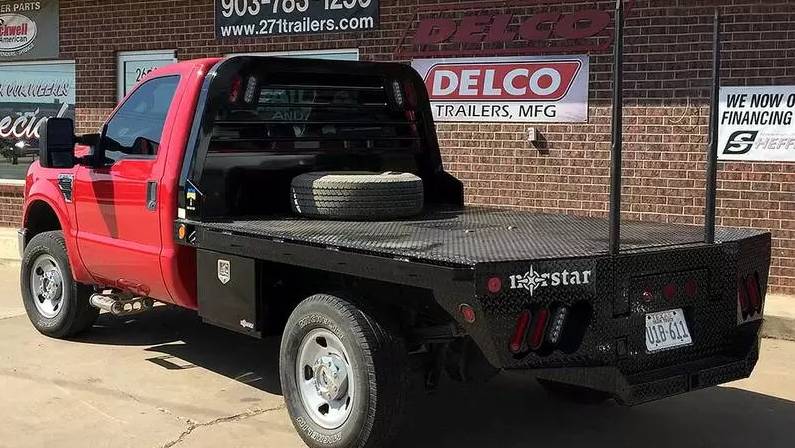
The truck bed is one of the most important features when it comes to truck shopping. Not only do you need to make sure that it will fit all your needs, but you also need to know the dimensions so that you can buy a pickup bed cover or tonneau cover that fits properly.
Without taking proper measurements, you run the risk of buying a pickup bed cover that is too long, too short, or simply doesn’t fit.
When measuring truck bed size, you need to consider a few important factors. First, you will need to know the make and model of the truck that you are measuring. This is because it comes in different sizes and shapes depending on the truck’s specifications.
You also want to account for any accessories or add-ons that may be protruding from the pickup bed. Things like liners and a toolbox can affect its overall size, so make sure to take these items into consideration before measuring.
Pickup bed sizes vary by truck. Common size measurements include:

Accurate pickup bed measurements are essential for truck owners. Knowing the exact size of your pickup bed is necessary to ensure that its accessories, such as covers and toolboxes, fit securely and perfectly. To get the best fit, make sure to take accurate measurements before purchasing some accessories.
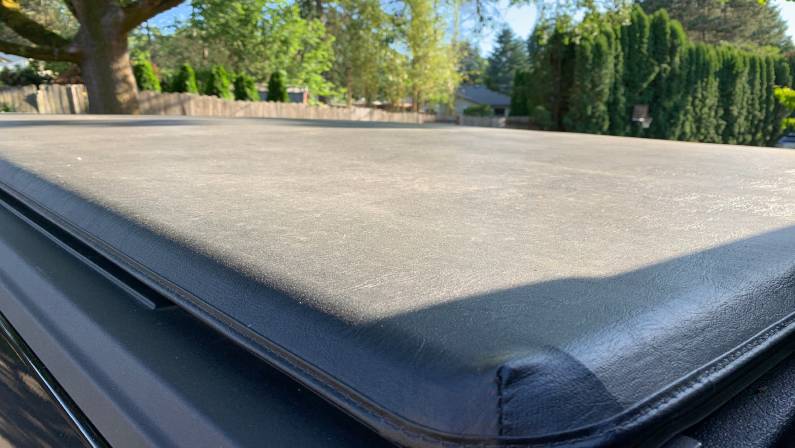
Tonneau covers fit truck beds tightly, so it is important to get accurate measurements for optimal installation. Measure your cargo bed from the inside lip of one side to the other and record this measurement in feet and inches.
When measuring truck bed size for a liner, you will need to measure the pickup bed’s length, width, and depth. Measure from the truck’s bed rail to bed rail and record this measurement in feet and inches.
Moreover, measure from the truck’s back wall to the truck’s tailgate and record this measurement in inches. With these measurements, you can find a liner that fits your truck perfectly.
Measuring truck bed size is essential when shopping for a truck or its cover. With the right tools and a bit of patience, truck owners can easily measure its bed size, and shop for covers with confidence.
By following these truck bed size measurement tips, truck owners can get their measurements right the first time so they can buy pickup bed accessories with confidence. With the right measurements, truck owners can ensure that their cargo beds are fully protected and remain in excellent condition for years to come.
Trailer parts are crucial elements that give a trailer its shape and performance. Trailers are employed for various purposes, including hauling cargo to transporting recreational vehicles, boats, and horses.
If you own a trailer, you would eventually need to upgrade or replace some of its parts. It's crucial to know where to purchase high-quality trailer parts for maintenance, customization, or repair.
When it comes to purchasing trailer parts, there are various options accessible. Some of the top shopping options for trailer parts are listed below:
Online stores like Norstar Company are one of the best places to go when looking for one that specializes in selling trailer parts.
They have a comprehensive range of trailer parts, including:
A type of remote control device used to operate hydraulic systems. It typically consists of two buttons that are used to control the direction of the hydraulic system's actuator, such as a cylinder or motor.
The 6" Oval Amber LED Light-Side Turn Signal is a common automotive lighting component used on trucks, trailers, and other vehicles to add an extra side turn signal for improved road safety.
Be one of the Iron Bulls with this 1' Iron Bull Reflective DOT Tape. It also helps large vehicles to increase visibility.
A Tarp Front Shield that is 72" wide is a type of protective cover used to shield cargo on a flatbed trailer or truck from wind, rain, and other environmental factors during transportation.
The handle on a jack may not always be long enough to give the required leverage while lifting a car. In these circumstances, an 11" Jack Handle Extension can be connected to the jack handle's end to extend the length.
A Tail Light Bracket RH, or right-hand side tail light bracket, is a component that is used to secure the tail light assembly to a vehicle.
This 7k Hydraulic Jack Kit bolts onto the mount on Iron Bull Trailers. The kit includes a 7k Hydraulic Stillwell A-Frame Jack, Aluminum Selector Valve, 2- 4' Hydraulic Hoses, 2 - 1' Hydraulic Hoses, Battery Tray, Cables, and Terminal Cover. All the bolts necessary for attaching the jack and fittings for hydraulic attachments are also included.
Local trailer supply shops in many communities stock different trailer parts. These shops could provide individualized assistance and skilled staff to direct you toward the needed trailer parts.
Consider looking for replacement components on the manufacturer's website if you are familiar with the name and model of your trailer. For their goods, several manufacturers provide components and accessories. You can ensure you're obtaining genuine, trailer-specific parts by ordering straight from the manufacturer.
Many towns have local trailer supply stores that carry various trailer parts. These stores may offer personalized service and knowledgeable staff who can help you find the right parts for your trailer.
A trailer must be maintained regularly to maintain its durability, dependability, and safety. Regular maintenance can help avoid accidents, breakdowns, and expensive repairs because trailers are subject to harsh road conditions.
A trailer needs to be maintained for several reasons, some of which are listed below:
A safe trailer has been properly maintained. Regular maintenance enables detecting and correcting any potential safety hazards, such as deteriorated brakes, poor illumination, or worn tires. Addressing these problems immediately will help avoid accidents and injuries because they can harm the road.
A well-maintained trailer can survive for many years. Routine maintenance keeps the trailer in good shape, which stops component deterioration. This may increase the trailer's lifespan and ultimately result in cost savings.
A well-maintained trailer is more attractive to potential buyers. If you plan to sell your trailer, regular maintenance can help preserve its resale value.
A well-maintained trailer is less likely to break down while traveling. Unexpected breakdowns can lead to delays and inconvenience and can be avoided with routine maintenance.
Maintaining a trailer is not only important for safety and reliability but also for legal compliance. Many states require trailers to meet specific safety standards, and failure to maintain a trailer can result in fines or penalties.
You must choose high-quality parts for your trailer to be safe, dependable, and durable. In addition, because they are created to meet or surpass industry standards, high-quality parts are more likely to function as intended and survive longer than inferior ones.
Here are some of the main arguments in favor of selecting high-quality components:
Since high-quality parts are created to adhere to strict safety regulations, they are less likely to malfunction or fail on the road. You and your goods can stay safe, and accidents can be avoided.
Since high-quality parts are made to work as intended, they can help your trailer function better overall. For instance, superior brakes can aid in increasing stopping distance and control, and superior tires can increase traction and handling.
High-quality parts are more durable than lower-quality parts. They are less likely to break or wear out prematurely, saving you time and money on repairs and replacements.
Since high-quality parts are frequently created and manufactured to meet or exceed industry standards, choosing them can frequently ensure compatibility.
Parts are more likely to be compatible with other parts in the same system when they are created to meet a set of standards. This means that premium components are less likely to cause compatibility issues that can result in performance problems, failures, or safety hazards.
Choosing high-quality parts can often assure a warranty, as reputable manufacturers of high-quality parts often stand behind their products with warranty coverage.
If the part fails too soon or has flaws, the manufacturer's warranty could provide you with financial security and peace of mind.
Proper maintenance is essential to ensure that your trailer operates safely and reliably.
Here are some tips for maintaining your trailer:
To summarize, selecting high-quality components for your trailer is crucial for ensuring its long-term reliability, stability, and safety. High-quality parts can enhance performance, lower operating costs, and help prevent accidents.
Don't compromise on quality when selecting parts for your trailer; instead, look for recognized sellers like Norstar Company, with a reputation for making top-notch trailer parts.