X
Receive information tailored to you
X
Leave your details below and one of our specialists will contact you shortly to provide more information and answer any questions.
In the world of hauling and transporting, versatility is the key to efficiency. Enter the multi-purpose utility trailer – a true game-changer for those seeking a flexible and practical solution for various tasks.
Let’s dive into the numerous advantages that come with owning a multi-purpose utility trailer and how it can revolutionize the way you handle your hauling needs

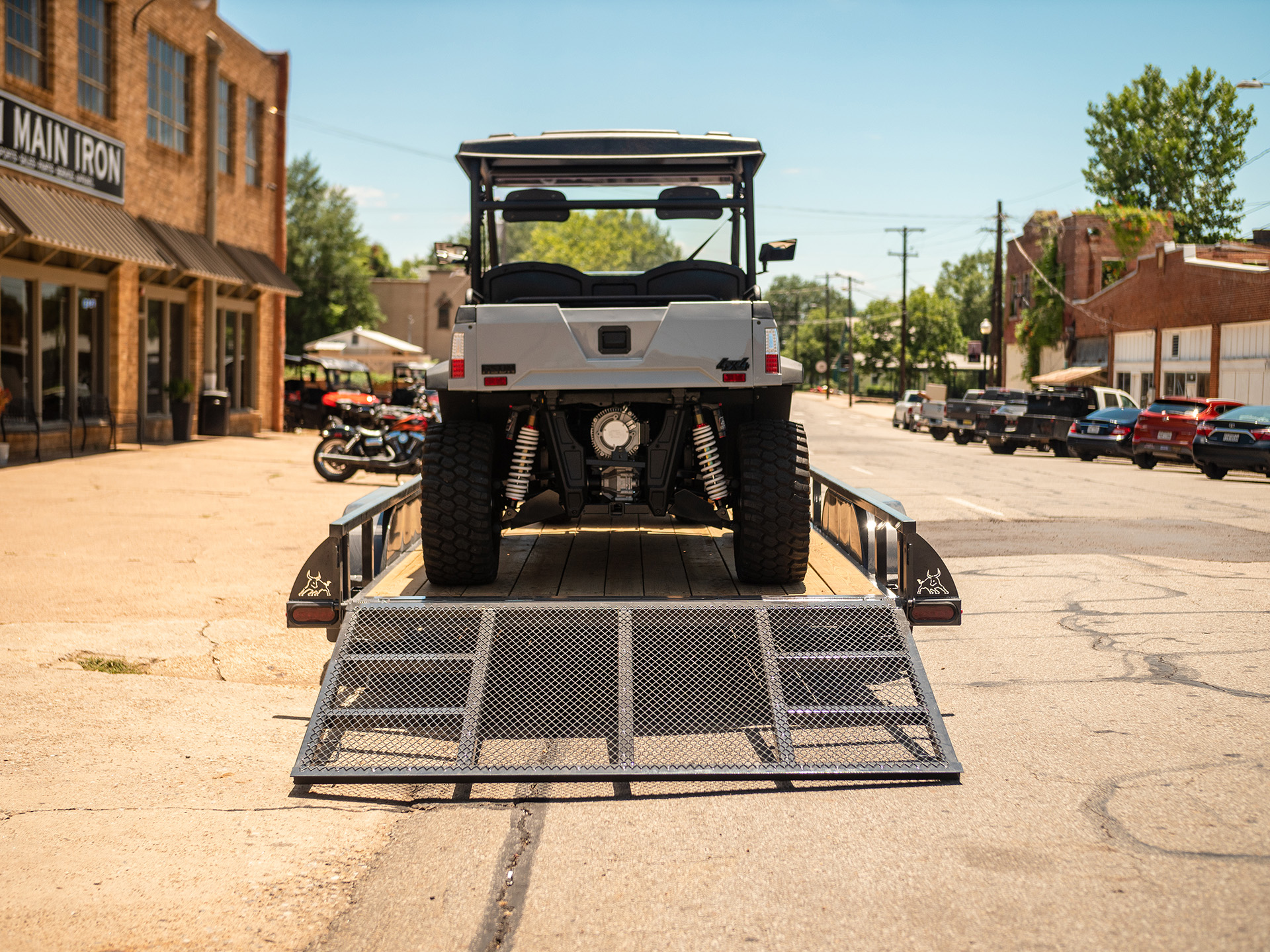
Owning a multi-purpose utility trailer is a strategic investment for those who value versatility, efficiency, and convenience in their hauling endeavors. Whether you're a homeowner, business owner, or outdoor enthusiast, the advantages of owning a multi-purpose utility trailer extend beyond mere transportation – it's about embracing a versatile tool that adapts to your ever-changing needs. Upgrade your hauling experience and unlock the potential of on-demand versatility with a multi-purpose utility trailer today.
Dump trailers are essential for anyone in the construction, landscaping, or farming industry.
They provide a reliable way to transport heavy materials or equipment, making them indispensable to any work site.
However, with so many manufacturers today, it can take time to determine who makes the best dump trailers.
In this article, we will take a closer look at the top dump trailer manufacturers in the industry and what sets them apart from their competitors.
Choosing the right dump trailer is a crucial decision that can have a significant impact on your workload and efficiency.
A poorly chosen dump trailer can lead to wasted time, increased costs, and even potential safety hazards.
On the other hand, selecting the right dump trailer for your needs can increase productivity, reduce costs, and promote a safer work environment.
The right dump trailer will not only meet your hauling needs, but it will also have the durability, capacity, and features necessary to handle the types of loads you typically work with.
Here's a rundown of the top manufacturers of dump trailers in the market today, each with its unique features and advantages.
Big Tex Trailers is one of the largest dump trailer manufacturers in the US, offering a wide range of trailers for various hauling needs. Their trailers are known for their durability, versatility, and value, making them popular among contractors and landscapers.
PJ Trailers is another top manufacturer of dump trailers in the US, with a reputation for quality and innovation. They offer a range of dump trailers with various features, such as hydraulic lift systems, drop-down sides, and adjustable couplers, to meet the needs of any job.
Load Trail is a well-known dump trailer manufacturer producing high-quality trailers for over 25 years. Their trailers are known for their durability, strength, and versatility and come in various sizes and capacities to meet any hauling need.
Bri-Mar Trailers is a leading manufacturer of dump trailers in the US, focusing on producing trailers built to last. Their trailers are known for their strength, durability, and ease of use, and they come in various sizes and styles to meet the demands of any hauling job.
Norstar Company is the best dump trailer manufacturers in Texas, known for its commitment to quality, innovation, and exceptional customer service. They have produced high-quality dump trailers for over a decade, focusing on durability, versatility, and value.
One of the things that set Norstar Company apart is its dedication to using the latest technology and engineering to produce trailers that are robust, reliable, and easy to use.
Their trailers come in various sizes and styles, with features like hydraulic lift systems, drop-down sides, and multiple axles to make loading and unloading a breeze.
Refrain from settling for a subpar dump trailer that will leave you frustrated and wishing you had gone with a better option - choose Norstar Company for a durable and versatile trailer that will get the job done right.
If you are on the lookout on who makes the best dump trailers, you need to check the quality of each equipment first. When purchasing a dump trailer, it's essential to consider various quality factors to ensure a durable and reliable product.
Durability is a crucial factor when it comes to choosing a dump trailer. A high-quality dump trailer should be built to withstand the demands of heavy loads, rugged terrain, and frequent use.
Factors to consider include:
Durable dump trailers will require less maintenance and repair, saving you time and money in the long run.
Payload capacity refers to the maximum weight a dump trailer can safely carry. It's important to choose a trailer with a payload capacity that meets your hauling needs without exceeding the limits of your vehicle or compromising safety.
Factors that affect payload capacity include:
Ease of use is an important consideration for dump trailers, especially for those who use them frequently. The trailer should be easy to load and unload, with features such as a low profile, removable sides, and a hydraulic lift system. Additionally, it should be easy to attach and detach from your vehicle, with a secure locking mechanism to ensure safe transport.
Maneuverability is another crucial factor, mainly if you use your dump trailer in tight spaces or on narrow roads. A trailer with good maneuverability will have features such as compact size, responsive brakes, and a stable towing system.
Versatility is desirable in a dump trailer, as it allows you to use it for various tasks. A versatile trailer will feature removable sides, adjustable height, and interchangeable attachments for different loads. This will enable you to haul other materials, such as rocks, dirt, or equipment, using the trailer.
Safety is the most critical factor when choosing a dump trailer. A safe trailer should have reliable brakes, sturdy tires, and a secure hitching system.
Additionally, it should be equipped with safety features such as reflective tape, safety chains, and emergency brakes. Regular maintenance and inspection are also essential to ensure the trailer remains safe.
Contact Norstar Company today to learn more about their range of dump trailers and find the perfect one for your needs - you won't be disappointed with their commitment to quality, innovation, and customer satisfaction.
Compare the features and specifications of various dump trailer models to determine which one best meets your needs.
The all-new Norstar DUB is the first ever utility dump trailer with a standard hydraulic cylinder, 4' fold-in gate, and adjustable coupler with the same heavy-duty build as the Iron Bull.
These dump trailers feature top-of-the-line brake axles and radial tires, providing a solid foundation for each Iron Bull dump trailer and ample grip for stopping power.
Built to haul 14,000-21,000 lbs of GVWR, this trailer is equipped with enough lifting. Each Iron Bull 83 comprehensive dump has a seven gauge floor and 24" high ten gauge sides with seven machined breaks that will not bend or buckle.
This model has a beefy 8" I-beam frame, 7-gauge floor, and 24" 10-gauge sides with seven machined brakes that will not bend. It has a supersized locking front toolbox with a divider that ensures enough storage that will not affect your battery.
This 83" Wide Gooseneck Dump Trailer has two 7k axles. Other features include a standard tarp kit, scissor lift, 12" I-Beam necks, and 14,000 lbs of GVWR.
With a heavy hauling 83" x 16' triple 7k axle for a total GVWR of 21,000 lbs., this configuration means business. It has 7k brake axles and radial tires that give each Iron Bull dump trailer a robust foundation and ample grip for stopping power.
Available in gooseneck or bumper pull models, each deck over can accommodate 10-gauge fold-down sides and a bed width of 96". It is equipped standard with a 10" I beam frame and neck with a 12" riser on gooseneck models. 3" channel cross members span the 10-gauge smooth steel floor.
Available in gooseneck or bumper pull models, each deck over is equipped standard with a 10" I beam frame and neck with a 12" riser on gooseneck models. Its 3" channel cross members span the ten gauges smooth steel floor, and its 2 5/16" couplers are equipped standard on each model, with a 7k drop leg jack and locking pump box to secure the trailer components.
Selecting the right dump trailer requires consideration of several key factors.
The best dump trailer manufacturer will depend on your specific needs and requirements. It is essential to research, compare options, and evaluate the features and benefits of each trailer to find the one that meets your needs and budget.
If you are looking for a company who makes the best dump trailers, Norstar Company is a great choice. With a focus on producing high-quality, reliable dump trailers that can handle any load, Norstar has established itself as one of the top manufacturers in the industry. From the quality of their materials to the precision of their engineering, Norstar's dump trailers are built to last and provide exceptional value for their customers.
Furthermore, Norstar's commitment to customer satisfaction and support is unparalleled. With a knowledgeable and friendly customer service team, we are dedicated to helping you find the right dump trailer for your needs and ensuring you are delighted with your purchase.
With a range of sizes, features, and materials, Norstar's best built dump trailer can meet the demands of any hauling job, making them a competent and reliable choice for anyone needing a dump trailer.
Book an appointment with us, and let us start your dream dump trailer today!
Do you need a trailer that can handle both heavy and delicate loads? If so, you may want to consider a deckover trailer.
Deckover trailers are versatile and can be used for a variety of purposes. In this blog post, we will discuss what a deckover trailer is, the different types available, and how to choose the right one for your needs.
A deckover trailer is a type of trailer with an open-top cargo area that sits directly over the axle. It's usually mounted on a flatbed truck and can be used to transport a variety of materials, from heavy equipment to delicate items.
Deckover trailers are popular for many reasons. They're durable and can handle heavy loads, but they also have the flexibility to transport all kinds of items. They're also easy to maneuver, making them great for tight spaces. And because they don't require a lot of extra equipment or design features, they're often less expensive than other types of trailers.
In general, a deckover trailer works by lifting the cargo area up and onto the axle. This allows for better maneuverability and can also help protect your cargo from damage during transport. In addition, it's often easier to load and unload items with a deckover trailer because of its open-top design.
There are several different types of deckover trailers available for purchase. There are two main types: tilt and non-tilt.
Deckover tilt trailers allow you to angle the bed up or down and usually feature a winch system to help with loading and unloading. Non-tilt trailers have a flatbed that won't move, making them better for heavier loads.
The types of deckover trailers include:
Gooseneck deckover trailers are popular for those who need to transport heavier loads. These trailers are mounted on the bed of a truck and have a gooseneck hitch that attaches to the truck’s frame. This allows for better stability when transporting heavy items, such as construction materials or agricultural equipment.
Bumper pull deckover trailers are mounted on the back of a truck or SUV. They're similar to gooseneck models, but they have a bumper hitch instead of a gooseneck. This makes them easier to maneuver in tight spaces and gives you better visibility when driving.
Hydraulic tilt deckover trailers are perfect for those who need to transport delicate items. These trailers have hydraulic cylinders that allow you to angle the bed up or down, depending on the type of cargo you’re carrying. Through these, it is easier to load and unload items without having to worry about them shifting during transport.
Low-profile deckover trailers are designed for those who need to transport taller items. These trailers have a flatbed that sits low to the ground and is often equipped with an adjustable tongue, allowing you to tow heavier loads with ease.
If you’re looking for a reliable and versatile trailer to help with your hauling needs, a deckover trailer is a great option. With their wide range of features and benefits, you can be sure that your cargo will arrive safely and securely. These are its advantages:
Deckover trailers are great for hauling wide loads. Because they don't have a fixed bed, the cargo area can be adjusted to accommodate different sizes and shapes of items. They are ideal for transporting large or oddly-shaped objects that wouldn't fit in regular trailers.
When you invest in a deckover trailer, you're getting a quality product. Deckover trailers are built with high-grade steel and aluminum to ensure strength, durability, and longevity.
Deckover equipment trailers have been designed for ease of use. They often come equipped with features like tie-down loops and adjustable tongues, making loading and unloading easier. Plus, they can be maneuvered in tight spaces with ease, giving you more control over your cargo.
Deckover trailers are also great for loading and unloading. With their open-top design, you can easily access the cargo area to load and unload items with ease. You can also angle the bed up or down depending on your needs, making it easier to get heavier items in and out.
Deckover trailers are perfect for transporting complex loads. With their adjustable beds, you can arrange your cargo to better fit the trailer and minimize shifting during transport. Evidently, it is ideal for transporting fragile items or large and oddly-shaped items that wouldn't fit in traditional trailers.
When choosing a deckover trailer, you'll need to consider several factors. With these tips, you'll be able to find the perfect deckover trailer for sale and get the job done with ease. Deckover trailers are a great way to transport both bulky and fragile products with ease, so make sure to invest in one today.
When you are looking for a deckover trailer build, think about what kind of things you will use it to transport. If you have heavy equipment to move, then a non-tilt trailer is best. For carrying delicate items or large and oddly-shaped items, get one with an adjustable bed that can tilt up and down. Make sure the material used is strong and durable so it will last a long time.
When you are looking for a deckover equipment trailer, make sure to check that it is built well and will last a long time. Look at what materials were used like steel or aluminum and how strong the equipment on it is. This way you can be sure your trailer will carry hefty materials or delicate objects safely.
When choosing a deckover trailer for sale, make sure it is the right size for what you need to transport. Check the weight capacity of the trailer because some can only carry lighter items and others can hold heavier ones. Make sure that your trailer is big enough to fit whatever you need to move.
Once you know what kind of trailer you need and the size, make sure to set a budget for it. Look at different brands and models in your price range so you can get the best value for your money. Make sure that whatever trailer model you choose fits all of your needs but also consider your budget when making the final decision.
To make sure that you get a quality trailer, it's important to find a reputable dealer or trailer manufacturer in Texas like Norstar Company. Make sure to research different dealers and read reviews of them so you can be confident in your purchase. If possible, look at the trailers in person to make sure you're happy with the quality before making your purchase.
A deckover trailer is a great way to move delicate items, heavy equipment and large or oddly-shaped items with ease. When choosing the right one for your needs, make sure you consider factors such as size, weight capacity, materials used and budget.
With these tips in mind, you can be confident that your next purchase of a deckover trailer will suit all of your requirements perfectly. Finding a reputable dealer, such as Norstar Company, will also ensure that you get quality products at an affordable price. Build and quote with us today!
If you are eyeing a new flatbed for your truck, choosing between an aluminum flatbed and a steel flatbed may be tricky.
While both materials have their merits, picking what's best can be difficult, as both have advantages and a few setbacks.
This guide tackles the advantages and disadvantages of aluminum vs. steel flatbed so you can make an informed choice that fits your needs and budget.
Before diving into the pros and cons of aluminum vs. steel flatbeds, let's first tackle what flatbeds are for.
A flatbed truck is a versatile vehicle for carrying many loads. It's essentially a truck with a flat, open bed that allows for easy loading and unloading of cargo.
Flatbed trucks come in various sizes and configurations to suit different needs, from small pickups to large commercial vehicles.
They're commonly used in construction, agriculture, and logistics industries, where heavy and bulky loads must be transported. Flatbed trucks can also be customized to fit specific requirements, such as adding toolboxes, racks, or other accessories to optimize functionality.
Aluminum flatbeds are made of aluminum, offering several advantages over their steel counterparts. Its benefits make them popular as a more cost-effective, long-lasting flatbed solution.
Aluminum beds for trucks are becoming increasingly popular in the trucking industry due to their lightweight, corrosion-resistant, and fuel-efficient properties, making them ideal for hauling lighter loads while maintaining fuel economy.
Aluminum is a lightweight metal, meaning a flatbed can weigh up to 50% less than a comparable steel flatbed.
This reduced weight can translate into better fuel efficiency and reduced wear and tear on your truck. The lighter weight also makes loading and unloading cargo easier, saving time and effort.
Aluminum does not rust like steel. This makes aluminum flatbeds withstand harsh weather conditions and exposure to corrosive materials without deteriorating.
If you live in a coastal area, having an aluminum flatbed is a great choice, as saltwater can be particularly damaging to steel flatbeds.
Aluminum flatbeds are also fuel-efficient, saving you money in the long run. The lighter weight of an aluminum flatbed gives your truck ease in transporting your cargo, which can result in improved gas mileage and lower fuel costs.
While an aluminum pickup flatbed has many rewards, they are also more expensive than steel flatbeds and less durable, requiring special equipment for repairs.
Additionally, there may be better options than aluminum flatbeds for heavy-duty hauling applications.
One of the primary disadvantages of aluminum flatbeds is their higher cost than steel flatbeds. Aluminum is a more expensive material than steel, meaning aluminum flatbeds can cost up to 50% more than comparable steel flatbeds.
While the initial cost may be higher, aluminum flatbeds can offer long-term cost savings through their fuel efficiency and corrosion-resistant properties.
Aluminum flatbeds can be more susceptible to dents and other forms of damage. It can be a concern for businesses that need to transport heavy or sharp-edged cargo, as the flatbed may not withstand the weight or pressure.
Aluminum welding requires specialized training and equipment. Thus, it can be more difficult and expensive to find than steel welding equipment.
You may have to deal with longer repair times and higher repair costs, mainly if you live in an area with limited access to aluminum welding equipment.
You can consider having the best aluminum flatbed if you intend to use it for the following:
Steel flatbeds are made of steel material that offers exceptional durability, strength, and ruggedness compared to aluminum counterparts.
Stainless steel flatbeds are heavier and less fuel-efficient than aluminum flatbeds.
Still, their ability to withstand heavy loads and harsh conditions makes them popular for heavy-duty applications, such as construction and hauling.
Steel can better withstand the weight and pressure of heavy cargo. They are also more resistant to dents and other damage forms, making them a better choice for businesses that need a heavy-duty flatbed for transporting heavy or sharp-edged cargo.
Steel is a more affordable material, meaning steel flatbeds can cost up to 50% less than comparable aluminum flatbeds.
This lower cost can make steel flatbeds a more accessible option for small businesses or individuals who need a flatbed but have a limited budget.
Steel flatbeds are also generally easier to repair. Steel welding is a standard and widely available repair method, so finding someone to fix your steel flatbed can be more accessible and affordable.
A steel flatbed is also a more forgiving material than aluminum, making it easier to create repairs without damaging the material.
While steel flatbeds are solid and durable, they are also heavy, prone to rust and corrosion, and can have reduced fuel efficiency.
Additionally, steel flatbeds may require more frequent maintenance and repairs than their aluminum counterparts.
Steel flatbeds can add significant weight to a vehicle, resulting in reduced fuel efficiency, increased wear and tear on the vehicle's suspension and tires, and decreased maneuverability.
Steel is a ferrous metal prone to rust when exposed to moisture and oxygen. Over time, rust can weaken the structure of a steel flatbed and make it more susceptible to damage or failure.
While regular maintenance and protective coatings can help prevent rust and corrosion, these measures require time and resources.
Because steel is a heavier material than aluminum, a vehicle with a steel flatbed will require more fuel to achieve the same level of performance as a vehicle with an aluminum flatbed.
This increased fuel consumption can increase over time, resulting in higher operating costs for businesses that use steel flatbeds.
Know how to maximize the potential of steel flatbeds with the following uses:
When comparing aluminum and steel flatbeds, several factors should be considered to determine which type best suits the intended use and budget.
Aluminum flatbeds for pickups are generally more expensive than steel flatbeds due to the higher cost of raw materials and manufacturing processes. However, aluminum flatbeds can provide long-term cost savings through increased fuel efficiency and reduced maintenance costs.
Aluminum flatbeds are significantly lighter than steel flatbeds, typically weighing about 50% less. This makes aluminum flatbeds ideal for businesses or individuals requiring a higher payload capacity or maximizing fuel efficiency.
Steel flatbeds are generally more robust and more durable than aluminum flatbeds. Steel flatbeds can withstand heavy loads and are less prone to damage from everyday wear and tear, making them ideal for heavy-duty hauling and industrial use.
Aluminum flatbeds require less maintenance than steel flatbeds due to their corrosion-resistant properties. However, aluminum flatbeds can be more challenging to repair in the event of damage and may require specialized equipment and skills.
Aluminum flatbeds are more fuel-efficient than steel flatbeds due to their lighter weight. This gives you significant cost savings over the vehicle's lifetime, making aluminum flatbeds a popular choice for businesses or individuals prioritizing fuel efficiency.
Both aluminum and steel flatbeds offer a range of customization options, such as toolboxes, tie-down points, and crane mounts. However, aluminum flatbeds are typically easier to customize due to the material's lighter weight and greater flexibility.
Aluminum flatbeds are more environmentally friendly than steel flatbeds due to their lower weight, which reduces fuel consumption and carbon emissions.
Also, aluminum is highly recyclable, making aluminum flatbeds a sustainable choice for businesses or individuals who prioritize environmental responsibility.
Selecting the right flatbed is crucial to maximizing productivity, minimizing downtime, and ensuring your cargo's safe and secure transportation.
These pointers help you carefully evaluate and select a flatbed that meets your operation's needs.
A steel flatbed with a higher weight capacity may be more appropriate if you frequently transport heavy loads. However, an aluminum flatbed may be a better choice if you need to maximize payload capacity and fuel efficiency.
A durable steel flatbed may be more appropriate if you use the flatbed frequently or for heavy-duty hauling. However, if you only need to use the flatbed occasionally or for lighter loads, an aluminum flatbed is more cost-effective.
A steel flatbed may be better equipped to handle the conditions during frequent travel on rough or unpaved roads.
On the other hand, an aluminum flatbed may provide better fuel efficiency and a smoother ride if you primarily drive on paved roads or highways.
While aluminum flatbeds may have a higher upfront cost, they can provide long-term cost savings through increased fuel efficiency and reduced maintenance costs.
Are you ready to build your flatbed? Norstar Company is prepared to help you find the perfect flatbed for your needs. Contact us today to get started.
When deciding between aluminum and steel flatbeds, weighing the benefits and drawbacks of each material and considering these factors is essential.
A durable steel flatbed may be more appropriate for frequently transporting heavy loads or operating in harsh conditions.
However, an aluminum flatbed may be a better choice if you prioritize fuel efficiency and plan to use the flatbed for lighter loads.
The upfront cost of an aluminum flatbed is typically higher than a steel flatbed, but long-term savings may be achieved through increased fuel efficiency and reduced maintenance costs.
Aluminum flatbeds are significantly lighter than steel flatbeds, which can result in increased fuel efficiency and payload capacity. However, a steel flatbed may be more appropriate if your intended use requires a higher weight capacity.
Steel flatbeds are known for their strength and durability, making them a better choice for heavy-duty or harsh environments. Meanwhile, aluminum flatbeds are also durable and benefit from being corrosion-resistant.
Steel flatbeds may require more frequent maintenance due to their tendency to rust and corrode, while aluminum flatbeds require less maintenance due to their corrosion-resistant properties.
Both aluminum and steel flatbeds can be customized to meet specific needs and preferences, such as bed length, storage options, and tie-down points.
Do you need further familiarity with the difference between the two? Norstar Company can help select the flatbed material that best suits their needs and provides the most excellent value over the long term. Contact us today to get started with your custom flatbed.
Choosing between aluminum and steel flatbeds depends on your specific needs and budget.
While aluminum is lighter and more fuel-efficient, steel is more robust and durable, making it a popular choice for heavy-duty applications.
The cost is also a factor to consider, with aluminum flatbeds generally being more expensive but potentially providing long-term savings on fuel costs.
If you need a flatbed for your truck, consider getting a customized one from Norstar Company, one of the leading flatbed manufacturers in Texas. We offer various options, including aluminum and steel flatbeds, to meet your needs.
At Norstar Company, we use only the highest-quality materials and advanced manufacturing techniques to ensure that your flatbed is built to last.
Trailer tires are an important part of every trailer because they support the weight of the trailer and its load.
Unlike vehicle tires, trailer tires are built to handle a particular sort of load and terrain. They are specially designed to withstand the pressure of the load, the forces of cornering and braking, and the rough surfaces of roads and highways.
In this article, we'll discuss when to change trailer tires so that your trailer stays in good shape and you keep a pleasant and safe trip.
Tire maintenance and replacement are required regularly to ensure safe and efficient vehicle operation. Tires are the sole component of a vehicle that makes contact with the road and play an important role in traction, steering control, and braking performance. Tire maintenance and replacement can assist in extending tire life, increasing fuel efficiency, and lessening the chance of an accident.
Regular inspection and maintenance of trailer tires are crucial to ensure safe and efficient trailer operation. However, even with proper care, trailer tires can wear out over time and need replacement.
Knowing the signs that it's time to replace your trailer tires can help prevent accidents and ensure that your trailer is always roadworthy. Here are the common signs that indicate it's time to replace your trailer tires:
Wear on the tread is one of the most obvious indicators that it's time to replace your trailer tires. As the tread on your trailer tires wears out, it loses some ability to offer traction and holds on the ground.
If you see any cracks or bulges on the tire sidewall or tread area, it's another indication that it's time to replace your trailer tires. These can be caused by exposure to the elements, improper storage, or excessive load, leading to tire failure and potential accidents.
If you notice uneven wear on your trailer tires, it may be time to replace them. Uneven wear can be caused by misalignment, improper inflation, or overloading, reducing handling performance and increasing the risk of accidents.
Trailer tires can age even if they have not been used regularly. And if you’re curious, how long are trailer tires good for? Well, regardless of their visual condition, tires older than six years should be replaced as a safety precaution.
If your trailer tire has sustained punctures or cuts in the tread or sidewall, it's time to replace it. Driving on a damaged tire can be dangerous and increase the risk of a blowout, so it's best to replace it as soon as possible.
Trailer tires are designed to handle heavy loads and rugged terrain but can still become damaged and require replacement. Understanding the causes of trailer tire damage can help prevent accidents and prolong tire life. In this section, we will enumerate the common causes of trailer tire damage.
One of the most common causes of trailer tire damage is overloading. When a trailer is overloaded, it puts excessive pressure on the tires, leading to premature wear, blowouts, and other tire failures. Stay within the manufacturer's recommended weight limits for your trailer and tires to avoid overloading.
Another common cause of trailer tire damage is underinflation. When a tire is underinflated, it flexes more, generating more heat and leading to premature wear and tire failure. Check the tire pressure regularly, especially before long trips, to ensure your trailer tires are properly inflated.
Overinflation is another cause of trailer tire damage. An overinflated tire can lead to uneven wear, reduced handling performance, and increased risk of blowouts. Follow the manufacturer's recommended inflation pressure for your trailer tires.
Potholes, debris, and sharp objects on the road can cause punctures, cuts, and other damage to trailer tires. To avoid damage, try to avoid rough or uneven roads as much as possible, and examine your tires for signs of damage on a regular basis.
Improper storage of trailer tires can also lead to damage. Exposure to direct sunlight, moisture, and extreme temperatures can cause cracking, rotting, and other forms of damage. Store your trailer tires in a cool, dry place away from direct sunlight.
Trailer tires can age even if they have not been used regularly. Regardless of their visual condition, tires older than six years should be replaced as a safety precaution.
Finally, improper installation can also cause trailer tire damage. Be sure to follow the manufacturer's instructions when installing new tires, and have a professional mechanic inspect your tires and rims to ensure that they are properly aligned and balanced.
When it comes to buying a new trailer tire, there are many options available both online and in-store.
One reliable option is Norstar, a leading supplier of trailer parts and accessories. We offer a wide range of trailer tires and wheels to suit various applications and budgets.
Here are some trailer parts available at Norstar:
A 16" 14-ply trailer tire and wheel with an 8-hole pattern is common for heavy-duty trailers, such as those used for commercial or industrial purposes.
A 16" 10-ply trailer tire and wheel with an 8-hole pattern is common for medium-duty trailers, such as those used for recreational or light commercial purposes.
A front bumper spare tire mount is an attachment that allows you to mount a spare tire directly to your vehicle's front bumper. This is an excellent addition for off-road vehicles or trailers that may face harsh terrain, as it allows for simple access to a spare tire in the event of a flat or puncture.
Routine maintenance is essential to keep your trailer tires in good shape and ensure safe operation on the road. It’s important to know how to keep trailer tires from dry rotting and just overall declining. Here are some important tips for maintaining your trailer tires:
Check tire pressure at least once a month using a reliable gauge and adjust as necessary to match the manufacturer's recommended PSI. Properly inflated tires help avoid blowouts, improve fuel efficiency, and extend tire life.
Inspect your tires regularly for signs of deterioration, such as cuts, punctures, cracks, bulges, or uneven wear. These flaws might lead to tire failure and jeopardize the safety of your vehicle. If you discover any damage, replace the tire immediately to avoid additional damage.
Rotating your trailer tires regularly can help ensure even wear and extend the lifespan of your tires. Follow the manufacturer's recommended rotation pattern, which may vary depending on the tire type and vehicle usage. In general, rotating your tires every 5,000 to 7,500 miles is recommended.
Keeping your tires clean can help avoid damage and extend their lifespan. Wash your tires with soap and water on a regular basis to remove dirt, grime, and other particles that might cause corrosion or other damage. Avoid using abrasive or strong chemicals that might harm the tire rubber.
Overloading your trailer can cause excessive wear and damage to your tires, leading to premature failure and compromising your safety on the road. Follow the manufacturer's recommended weight capacity and evenly distribute the load across the trailer to prevent overload.
Ultimately, understanding when to change trailer tires is critical for road safety. Inspect your tires regularly for wear and deterioration, and replace them as needed. You can find and shop for the tires and other parts you need at Norstar.
And by following the guidelines provided in this article, you may guarantee that your trailer is safe and ready to hit the road.
Have you ever been caught in the dark without trailer lights? You're not alone – many people forget that they must install lights on their trailers for legal and safety reasons.
But don't worry, understanding when trailers need lights and where to get them is easier than you think.
This blog post will cover the basics of knowing when you need trailer lights, what kinds are available, and where to buy them. Read on to make sure your next journey is a safe one!
Trailer lights provide a signal for other drivers to let them know that you are there. Trailers must have at least one tail lamp, side marker lamp, brake lamp, and reflex reflector in order to be legal.
Depending on the size of your trailer and the laws in your state or country, additional lights may also be required for safety.
Trailer lights are required to be installed when a trailer is attached to a vehicle that will be driving at night or in low visibility conditions. This includes traditional trailers, utility trailers, and boat trailers.
The lights must meet the required standards for reflectivity and color coding. What colors are the running lights on a trailer? Generally, two amber-colored side marker lights must be installed on the front and rear of the trailer, and two red tail lights should be placed near the center of both sides.
There are several types of trailer lights that you should know about. These include:
Tail lights must be red and provide illumination to the rear of the trailer. They should also include a license plate light.
These are amber-colored and placed on both sides of the trailer near the center, providing visibility from the front and back.
Turn signals indicate where the trailer is turning and must be brightly colored to indicate the direction.
Brake lights should be bright red and will illuminate when a vehicle equipped with a trailer applies its brakes. This helps other drivers know that you are slowing down.
License plate lights provide illumination to the rear license plate of the trailer.
Installing trailer lights is a relatively simple process that most people can complete with minimal tools and equipment. This process includes six steps.
Running lights not working on trailer? Consider purchasing replacement trailer lights. When it comes time to buy led trailer lights, you have a few options.
You can purchase them at your local automotive parts store or online from any number of retailers who specialize in lighting and accessories for trailers.
Be sure to purchase lights that meet the required standards and are made to fit your specific trailer.
You'll also want to read any instructions or warranty information that comes with your purchase, as this will ensure you get the best performance from your lights.
This is essential for safety and visibility, so take the time to make sure you have everything you need before hitting the road.
With the right lights from Norstar Company in place, you can rest assured knowing that your trailer will be visible and safe no matter where your travels may take you!
Here are a few tips on how you can select the right lights for your trailer:
Consider the size and weight of items you plan to transport when deciding which trailer is right for you.
Learn about the various types of trailers that are available, such as flatbeds, utility trailers, cargo-hauling enclosures, and more.
Make sure to check out what features each trailer offers before making a purchase decision; these include brakes, tongue jacks, and hitches, among other things.
Depending on the type of trailer you choose, it may have certain load limits for certain kinds of materials or objects; be sure to consider this in advance so that your choice doesn't become an issue later on down the line!
Ensure that any trailer you select meets required safety standards from organizations like DOT or NHTSA (National Highway Traffic Safety Administration). This will ensure your peace of mind as well as compliance with legal regulations in some areas!
Norstar Company is the place to go if you're looking for high-quality trailer lights, as they have a wide selection of products to choose from. From LED tail lights, signal lights, and stop/turn lamps to side marker lamps and clearance lights, Norstar has the trailer lighting solution that fits your needs.
All of the products have been tested for resistance to vibration, corrosion, and extreme temperatures. Plus, the products are backed by a full warranty and a customer support team, so you can be sure that your trailer lights will last for years to come!
Knowing when lights are required to be installed on a trailer is essential for staying safe on the roads. It is important to know what type of lights are needed for the specific trailer and how to install and maintain them properly.
Additionally, researching different types of trailers and their features can help you find the best trailer for your needs. Finally, purchase your replacement trailer lights from a reputable retailer, such as Norstar Company, that offers quality products and warranties.
With the right lights in place, you can rest assured knowing that your trailer will be visible and safe no matter where your travels may take you! Build and quote with Norstar today.
Are you considering investing in a deckover dump trailer? With fold-down sides and the capacity to haul large loads, a deckover dump trailer is an essential tool for any contractor. One of the best on the market is the Iron Bull Deckover Dump Trailer: it's strong and sturdy, built from heavy-duty steel, and designed to last for years. Let's explore why you need one!
A deckover dump trailer is a type of trailer that is designed to haul and dump large loads. Unlike standard trailers, it features fold-down sides which make it easy to load and unload materials. It's called a "deckover" trailer because the flooring is flush with the top of the wheel wells, giving it a flat deck.
Deckover dump trailers are heavy-duty trailers designed for hauling and dumping large loads of materials. They are commonly used in construction, landscaping, and other industries that require heavy hauling. Here are some key features of deckover dump trailers:
Deckover dump trailers have a deck that sits on top of the trailer's frame, providing a flat and wide surface for loading and unloading materials. The deck extends beyond the wheels, allowing for maximum payload capacity.
These trailers are equipped with a hydraulic dumping mechanism that allows the entire bed to be raised and tilted, enabling easy and controlled unloading of materials. The dumping mechanism is typically operated by a hydraulic cylinder, which is powered by an electric or hydraulic system.
Deckover dump trailers are built to handle heavy loads. They have a high payload capacity, which means they can carry and transport large volumes of materials, such as gravel, soil, sand, rocks, or debris.
To withstand the heavy loads and harsh working conditions, deckover dump trailers are constructed with heavy-duty materials. The frame is reinforced and made from strong steel, providing structural integrity and durability.
These trailers feature sturdy side walls that contain the load during transport. The side walls are typically removable or foldable, allowing for easy loading and unloading of materials. The trailers also have a hinged tailgate at the rear, which can be opened to facilitate dumping.
Most deckover dump trailers come with tandem axles, which means they have two axles placed close together to distribute the weight evenly. Tandem axles provide better stability and weight-bearing capacity, making them suitable for heavy loads.
Deckover dump trailers are equipped with a reliable brake system to ensure safe and controlled stopping. They often have electric brakes or hydraulic surge brakes, depending on the specific model and regulations in the region where they are used.
These trailers are equipped with lighting systems, including tail lights, brake lights, and turn signals, to ensure visibility and compliance with road safety regulations. Some models may also have additional safety features such as reflectors, breakaway kits, and safety chains.
Deckover dump trailers are designed to be versatile and adaptable to different hauling needs. They can be used for transporting various types of materials and equipment, and some models may offer customization options such as additional tie-down points, toolboxes, or ramps for loading equipment.
It's important to note that specific features may vary depending on the manufacturer and model of the deckover dump trailer. It's recommended to consult the product specifications or contact the manufacturer directly for detailed information about a specific trailer model.
Deckover dump trailers are popular for several reasons. These include:
If you are looking for a reliable and durable deckover dump trailer, Norstar Company’s deckover dump trailers are a great choice. They’re designed to meet all the requirements and demands of contractors and construction workers, providing excellent performance and durability.
A deckover dump trailer operates through a combination of hydraulic and mechanical systems. Here's how it generally works:
It's important to note that the exact operation of a deckover dump trailer may vary slightly depending on the specific model and manufacturer.
Deckover dump trailers offer several advantages and have some considerations to keep in mind. Here are the pros and cons of using a deckover dump trailer:
Common Applications of Deckover Dump Trailers
Deckover dump trailers are widely used in various industries for their heavy-duty hauling capabilities. Here are some common applications of deckover dump trailers:
Deckover dump trailers are frequently utilized in the construction industry for transporting construction materials such as gravel, sand, dirt, stones, and debris. Their high payload capacity and hydraulic dumping mechanism make them ideal for efficiently unloading materials at construction sites.
Landscaping companies often rely on deckover dump trailers for transporting landscaping materials like mulch, soil, rocks, plants, and equipment. These trailers enable easy loading and unloading of bulk quantities of materials, making them essential for landscaping projects.
In the agricultural sector, deckover dump trailers are used for tasks such as transporting animal feed, hay bales, livestock, and agricultural equipment. They can also be employed for moving soil, compost, or harvested crops, contributing to the overall efficiency of farm operations.
Deckover dump trailers are capable of accommodating heavy equipment and machinery. They are often used for hauling construction equipment, excavators, tractors, skid steers, and other heavy machinery between job sites. The trailer's high payload capacity and durable construction make it suitable for safely transporting valuable equipment.
When selecting a deckover dump trailer, several factors should be taken into consideration to ensure that it meets your specific needs and requirements. Here are some key factors to consider:
The payload capacity of the trailer should align with the amount and type of materials you intend to transport. Consider the weight of the heaviest loads you expect to carry, and choose a trailer with a payload capacity that exceeds that weight to ensure safe and efficient hauling.
Assess the construction quality and materials used in the trailer's frame, bed, and hydraulic components. Look for trailers made from sturdy and durable materials, such as steel, that can withstand heavy loads and the rigors of regular use. Check for reinforcement and weld quality to ensure long-term durability and reliability.
Consider the size and dimensions of the trailer, including the length, width, and height. Ensure that the trailer size is suitable for your specific hauling needs, taking into account the available space at your job sites or storage area. In addition, ensure that the weight capacity of the trailer is sufficient for your intended loads and that it can be safely towed by your vehicle.
Ensure that the trailer is equipped with essential safety features to protect both the operator and other road users. Look for features such as lights, reflectors, and reflective tape to enhance visibility during towing. Additionally, check for safety chains, breakaway kits, and proper braking systems to ensure compliance with safety regulations and to minimize the risk of accidents.
In conclusion, if you are in the construction, landscaping, or farming industry and need a reliable and durable way to haul and dump large loads of materials, a deckover dump trailer is an essential tool to consider.
When it comes to high-quality deckover dump trailers for sale, Norstar Company's Iron Bull Deckover Dump Trailer is a standout choice. With its heavy-duty steel construction, hydraulic dumping mechanism, and high payload capacity, this trailer is designed to meet the demands of the toughest job sites. It also offers a range of customization options, including toolboxes, tie-down points, and ramps, to make it even more versatile for your specific needs.
When you invest in Norstar Company's deckover dump trailers, you can have the confidence that you are choosing a high-performance and long-lasting trailer that can help increase your productivity and efficiency. Contact us today to learn more about how this outstanding trailer can help your business.
Whether you're planning a road trip with a camper, hauling equipment for a home renovation project, or transporting goods for business, knowing how to properly hook up a trailer to a truck is essential.
While it may seem daunting at first, connecting a trailer to your truck with the right knowledge and step-by-step instructions can be a straightforward and safe process.
This comprehensive guide will walk you through the essential steps of hooking up a trailer to a truck and provide valuable tips to ensure its safety and security.
Before getting started with hooking up your trailer to your truck, it's crucial to assess the equipment you'll be working with and prepare for the hookup process.
In this section, we'll discuss the importance of selecting a suitable truck and trailer combination, ensuring you have the necessary equipment and tools, verifying your truck's towing capacity, and preparing the trailer for hookup.
Choosing the right combination of truck and trailer is essential for a safe and efficient towing experience. Factors to consider are the size and weight of the trailer, the towing capacity of the truck, and the type of hitch required. Make sure the hitch on your truck is compatible with the trailer's coupler and that both are rated for the weight you'll be towing.
Before attempting to hook up trailer to the truck, ensure you have all the necessary equipment and tools. This includes a hitch, hitch ball, ball mount, safety chains, trailer wiring, and a breakaway system if required. Additionally, having a jack, wheel chocks, and a torque wrench can be helpful during the hookup process.
To determine if your truck can handle the weight of your trailer, consult your vehicle's owner's manual for its towing capacity. Be sure not to exceed this limit, as doing so can cause damage to your truck and create unsafe towing conditions. Remember to factor in the weight of any cargo or passengers in the trailer when calculating the total weight.
Before hooking up your trailer, it's essential to perform a thorough inspection and ensure everything is in working order. Check the trailer's lights, tires, brakes, and safety chains to ensure they are functioning correctly and in good condition. Additionally, verify that the trailer's wiring is compatible with your truck's electrical system to ensure proper communication between the two.
The hitch system is a vital component of connecting trailer to truck. This system ensures a secure connection between the two, allowing for safe and efficient towing. In this section, we'll explore different types of hitch systems, how to choose the suitable ball mount, understand various trailer couplers and hitch ball sizes, and determine the correct height for your ball mount.
Several types of hitch systems are available, each designed for specific towing needs. Some common hitch types include receiver hitches, gooseneck hitches, and fifth-wheel hitches. To ensure compatibility, check the trailer's coupler type and the truck's towing capacity to select the appropriate hitch system for your needs.
A ball mount is a component that connects the hitch receiver to the trailer's coupler. It features a shank that slides into the receiver and a platform that holds the hitch ball. When selecting a ball mount, consider the weight capacity, drop or rise (to accommodate height differences between the truck and trailer), and the size of the hitch ball required for your specific trailer coupler.
Trailer couplers come in various sizes and styles, each designed to fit a specific hitch ball size. Common hitch ball sizes include 1-7/8", 2", and 2-5/16". To ensure a proper fit, match the trailer coupler's size to the corresponding hitch ball size. Additionally, make sure the hitch ball's weight capacity meets or exceeds the trailer's loaded weight.
For a safe and level towing experience, ensuring the correct height for your ball mount is essential.
To do this:
Now that you have a solid understanding of the equipment and preparation needed for hooking up a trailer, it's time to dive into the step-by-step process.
Here’s a walkthrough on aligning the truck and trailer, connecting the hitch, attaching safety chains, connecting electrical wiring, and testing the trailer brakes.
Begin by aligning the truck and trailer, ensuring the trailer coupler is above the hitch ball. It's helpful to have a spotter to guide you or use a backup camera to assist with alignment. Once aligned, apply the truck's parking brake and chock the trailer wheels to prevent movement during the hookup process.
Lower the trailer coupler onto the hitch ball by releasing the trailer jack or manually lifting the trailer tongue. Ensure the coupler is fully seated on the hitch ball and secure it by closing the coupler latch. If applicable, insert a safety pin or lock to prevent the latch from accidentally opening during transit.
Safety chains are a crucial component of any towing setup, providing a backup connection between the truck and trailer in the event of hitch failure. Cross the chains under the trailer tongue and attach them to the designated anchor points on the truck, ensuring they are secure but have enough slack to allow for turns.
Connect the trailer's electrical wiring to the truck's trailer plug, ensuring a proper fit. This connection allows the truck to control the trailer's lights, turn signals, and brake lights. Make sure the wiring is secured and not dragging on the ground, as this can cause damage during transit.
Before hitting the road, it's crucial to test the trailer's brakes to ensure they are functioning correctly. With the truck and trailer connected, start the engine and apply the trailer brakes using the manual override on the brake controller. If the trailer brakes engage and hold, then release when the override is released, the system is functioning correctly. If not, troubleshoot any issues before proceeding with your journey.
Once you've completed the process on how to attach a trailer, it's essential to perform a series of final checks and adjustments to ensure a safe and smooth towing experience.
Before hitting the road, double-check that the trailer is securely connected to the truck. Ensure the coupler is fully seated on the hitch ball, the latch is closed and secured with a safety pin or lock, and the safety chains are properly attached and crossed under the trailer tongue. Additionally, verify that the electrical wiring is connected and secured.
Test the trailer's lights and signals to ensure they function correctly and are in sync with the truck's lights. With the engine running, have a spotter or helper observe the trailer's lights while you operate the truck's headlights, turn signals, and brake lights. Address any issues or replace any faulty bulbs before proceeding.
Proper weight distribution is essential for a safe and stable towing experience. Verify that the trailer's load is evenly distributed from side to side and that approximately 60% of the weight is positioned in the front half of the trailer. Additionally, ensure the trailer is level when connected to the truck, making any necessary adjustments to the ball mount height.
Finally, perform one last check of the trailer brakes to ensure they function correctly. With the truck and trailer connected, start the engine and apply the trailer brakes using the manual override on the brake controller. If the trailer brakes engage and hold, then release when the override is released, the system is functioning correctly. If not, troubleshoot any issues before starting your journey.
Properly hooking up a trailer to your truck involves a series of essential steps, including selecting the right equipment, aligning the truck and trailer, connecting the hitch, attaching safety chains, and connecting electrical wiring. By following these guidelines and performing final checks and adjustments, you can ensure a safe and smooth towing experience.
It's crucial to emphasize double-checking everything, from the secure connection between the truck and trailer to the functioning of lights and brakes. Taking the time to verify each component will help prevent potential issues on the road.
If you're new to towing or unsure about any part of the process, don't hesitate to practice or seek professional help. Familiarizing yourself with the steps and asking for guidance when needed will make you a more confident and capable tower.
Lastly, when it comes to selecting high-quality towing equipment, consider Norstar Company's products. With a wide range of towing accessories, Norstar in Brookston, Texas, offers reliable solutions to help you tow with confidence and ease.
Do you own a trailer for commercial or personal use? Proper maintenance is key to ensuring its longevity and optimal performance.
Maintaining your trailer is crucial not only for its longevity but also for your safety on the road.
Regular inspection and preventive maintenance can help identify potential issues before they escalate, reducing the risk of breakdowns and accidents.
If you neglect regular upkeep, these can lead to costly trailer repairs and compromised safety.
Here's your comprehensive trailer maintenance checklist, which covers essential steps to keep your trailer at its best.
Having a regular maintenance trailer checklist is not just a matter of convenience—it is a crucial step towards ensuring your safety on the road and protecting your investment. Disregarding maintenance can lead to costly repairs, breakdowns, and even hazardous situations.
By adhering to a routine maintenance schedule, you can proactively identify and address potential issues before they escalate, keeping your trailer in optimal condition.
Moreover, regular inspections, lubrication, cleaning, and testing of various components such as tires, brakes, electrical systems, and frames are essential to prevent malfunctions and maintain proper functionality.
To help you stay on top of your trailer's upkeep, here are some essential components that should be included in your trailer maintenance checklist.
During the exterior inspection of your trailer, check the tires and wheels, lights and electrical connections, hitch and coupler, and brakes and brake lights for any signs of damage or malfunction.
When conducting an interior inspection of your trailer, paying attention to several key areas is crucial to ensure its proper functionality and safety.
The mechanical systems of your trailer play a vital role in its overall performance and safety.
Your trailer's electrical and wiring systems are crucial for proper lighting, power supply, and safety. Consider the following aspects during your inspection:
Safety equipment's presence and proper functioning are key for a safe towing experience. When conducting a trailer checklist for utility trailer maintenance, pay attention to the following safety equipment:
To maintain your trailer's optimal performance and safety, following a trailer maintenance schedule is essential. Here are various maintenance intervals to consider:
Perform a visual inspection before each use to check for any obvious signs of damage or wear.
Conduct a more detailed inspection before embarking on a trip to ensure all components function properly and address any issues.
Perform a monthly comprehensive inspection, including checking all systems, components, and safety equipment.
Regularly inspect the tires for wear, check the tire pressure, and ensure proper alignment and balance. Rotate the tires as recommended by the manufacturer.
Inspect the brake system, including brake pads or shoes, drums or rotors, and hydraulic or electric brake components. Adjust or replace any worn-out or malfunctioning parts.
Regularly lubricate moving parts, such as hinges, latches, and slide-outs, to prevent rust and ensure smooth operation.
Verify the functionality of all electrical systems, including lights, signals, and wiring connections. Replace any faulty bulbs or damaged wiring.
If you’re using a Lithium Battery, ensure it’s in good condition. Lithium batteries are known for their long life and efficiency, making them an excellent choice for trailers. Regularly check the battery’s charge level, look for any signs of damage, and ensure it’s securely mounted.
Schedule a travel trailer annual maintenance appointment with a professional to conduct a thorough inspection, address any underlying issues, and ensure the overall condition of your trailer.
By following a regular maintenance schedule, you can identify and address potential problems early, ensuring a safe and reliable towing experience while maximizing the lifespan of your trailer.
By following a comprehensive trailer maintenance checklist, you can proactively identify and address potential issues, ensuring proper trailer care with utmost functionality and optimal performance.
If you require a reliable and durable trailer, consider Norstar Company. We specialize in Iron Bull trailers, known for their exceptional quality and durability. Whether you require a utility trailer, equipment trailer, or dump trailer, Iron Bull trailers are built to withstand heavy loads and demanding conditions.
Additionally, Norstar Company offers custom-made trailers tailored to your specific needs. Our experienced team can work with you to design and build a trailer that perfectly matches your requirements, ensuring a solution that meets your unique hauling needs.
Don't underestimate the importance of regular trailer maintenance and investing in a high-quality trailer. With proper upkeep and the right trailer from Norstar Company in Brookston, Texas, you can enjoy safe and reliable towing experiences, confident in the performance and durability of your trailer. Talk to our trailer experts today!
When it comes to towing trailers, understanding the payload capacity is a must for safe and efficient transportation.
In this informative blog post, we will demystify the concept of payload capacity for trailers. This essential guide also covers everything you need to know about payload capacity, including its definition, importance, and how to determine it for your trailer.
Whether you're an experienced trailer owner or considering purchasing one for the first time, this post will provide valuable insights that will help you make informed decisions about your trailer's capabilities.
Payload capacity refers to the maximum amount of weight that a vehicle, spacecraft, or aircraft can carry, including passengers, cargo, and any additional equipment. It is a crucial factor to consider when designing and operating transportation systems, as it directly impacts the efficiency, performance, and safety of the vehicle.
Understanding payload capacity trailer is essential for several reasons:
Overloading a vehicle can lead to accidents, mechanical failures, and reduced handling capabilities. Knowing the payload capacity ensures that the vehicle operates within its design limits, reducing the risk of accidents or breakdowns.
A vehicle's performance, such as acceleration, braking, and fuel efficiency, can be significantly affected by its payload. By understanding the trailer weight capacity, operators can optimize the vehicle's performance and reduce wear and tear on its components.
Many jurisdictions have regulations and laws governing the maximum allowable payload for different types of vehicles. Understanding trailer load capacity helps operators comply with these regulations and avoid fines or penalties.
Operating a vehicle within its payload capacity can lead to cost savings in terms of fuel consumption, maintenance, and potential damage due to overloading. This is particularly important for businesses that rely on transportation for their operations.
Overloading a vehicle can lead to increased fuel consumption and emissions, contributing to air pollution and climate change. Understanding payload capacity helps operators minimize their environmental impact by ensuring their vehicles are loaded optimally.
Payload capacity is a critical aspect of vehicle design and operation, as it determines how much cargo, passengers, and equipment a vehicle can safely carry.
Several factors influence a vehicle's payload capacity, including structural limitations, axle and suspension capacities, tire ratings, and hitch weight limitations. Understanding these factors helps operators ensure that their vehicles are loaded within safe limits and comply with regulations.
The structural design of a vehicle plays a significant role in determining its payload capacity. The vehicle's frame, chassis, and body must be strong enough to support the weight of the payload without causing damage or compromising safety.
Structural limitations can vary depending on the materials used, the design of the vehicle, and its intended purpose. Engineers must take these limitations into account when designing vehicles to ensure they can safely carry the intended payload.
Axle and suspension systems are crucial components of a vehicle that support the weight of both the vehicle and its payload. The capacity of these systems directly affects the payload capacity of a vehicle.
Overloading a vehicle can cause excessive stress on axles and suspension components, leading to premature wear, reduced handling capabilities, and potential failure. Consider the axle and suspension capacities when determining a vehicle's payload capacity to maintain safety and performance.
Tires play a critical role in supporting the weight of a vehicle and its payload. Each tire has a specific load rating and range, indicating the maximum weight it can safely carry. Exceeding these limits can result in tire failure, reduced handling capabilities, and increased risk of accidents.
When determining payload capacity, it is essential to consider the combined load rating of all tires on the vehicle to ensure safe and efficient operation.
For vehicles towing trailers or other loads, hitch weight limitations are an essential factor in determining payload capacity. The hitch weight refers to the downward force exerted by the trailer's tongue on the vehicle's hitch.
Exceeding the hitch weight limitation can cause damage to the vehicle's frame, reduce handling capabilities, and increase the risk of accidents. It is crucial to consider hitch weight limitations when determining the payload capacity of a towing vehicle to ensure safe and efficient operation.
When selecting a trailer for transporting cargo, passengers, or equipment, take note of the unique characteristics of each trailer type. Different trailer types have varying payload capacities, dimensions, and features that impact their suitability for specific tasks.
In this section, we will discuss the key considerations for four common trailer types: utility trailers, enclosed trailers, flatbed trailers, and travel trailers and RVs.
Utility trailers are versatile, open-air trailers designed for transporting various items, from landscaping equipment to household goods. Key considerations for utility trailers include:
Enclosed trailers offer a fully enclosed and protected space for transporting cargo, making them ideal for moving valuable items, vehicles, or temperature-sensitive goods. Key considerations for enclosed trailers include:
Flatbed trailers are open, flat platforms without sides or a roof, making them suitable for transporting oversized or irregularly shaped cargo. Key considerations for flatbed trailers include:
Travel trailers and RVs are designed for recreational use, providing living accommodations for extended trips or vacations. Key considerations for travel trailers and RVs include:
When using a trailer for transporting cargo, you need to maximize the payload capacity efficiently and safely. Proper loading techniques can help you get the most out of your trailer while ensuring the safety of your cargo and reducing the risk of accidents.
Here are the five tips for maximizing your trailer's payload capacity.
Before loading your trailer, it is crucial to minimize any unnecessary weight. This includes removing any excess or unused equipment, tools, or personal belongings from the trailer.
By reducing the overall weight of your cargo, you can increase the available payload capacity and ensure that you are operating within the trailer's weight limits.
When loading your trailer, place heavier items strategically. Position heavier items over the trailer's axles or as close to the axles as possible. It helps distribute the weight evenly across the trailer and reduces the risk of overloading the hitch or the rear of the trailer.
Proper weight distribution can improve the handling and stability of the towing vehicle and trailer, making it safer and easier to drive.
To maximize the available space in your trailer, consider stacking items and using proper cargo securing techniques. This may include using straps, ropes, or bungee cords to secure items in place and prevent them from shifting during transport.
Stacking and securing cargo can help you fit more items into the trailer while ensuring that the load remains stable and safe during transit.
Balancing the load distribution across the trailer is essential for safe and efficient operation. An unbalanced load can cause handling issues, increased tire wear, and potential damage to the trailer or towing vehicle.
Ensure that the weight is evenly distributed from side to side and front to back, with the heaviest items placed over the axles or as close to them as possible.
In addition to the weight of your cargo, it is essential to consider its volume and dimensions. Ensure that the trailer's size and shape can accommodate the cargo without overloading or causing unsafe conditions.
This may involve selecting a trailer with a larger payload capacity or a different design better suited for the specific cargo. Proper consideration of cargo volume and dimensions can help you maximize your trailer's payload capacity while ensuring safe and efficient transport.
Maximizing your trailer's payload capacity involves careful planning and attention to detail. By following the tips given above, you can securely and efficiently move your cargo while maximizing your trailer's capacity.
If you are looking for a high-quality truck bed or trailer, Norstar Company in Brookston, Texas, is a great option. They offer a wide variety of products, and they are committed to providing excellent customer service.
When considering the purchase of a truck trailer, it's important to understand the various factors that influence its cost.
By having a clear understanding of these factors, you can make an informed decision and find the right trailer for your budget and needs.
In this article, we will discuss five major factors that impact the cost of truck trailers.

The following is a list of some of the factors that contribute to the overall cost of truck trailers:
The type and size of the trailer play a significant role in determining its cost. There are several types of truck trailers, such as flatbeds, dry vans, refrigerated trailers, and lowboys, each with its own price range.
Additionally, the size of the trailer will also affect the cost, as larger trailers typically require more materials and are more expensive to produce.
The materials used in the construction of a truck trailer greatly impact its cost and durability. High-quality materials, such as aluminum and steel, are more expensive but offer better strength and longevity.
On the other hand, cheaper materials may lower the initial cost but may not be as durable, leading to higher maintenance and replacement costs in the long run.
The reputation and quality of the brand and manufacturer also influence the cost of a truck trailer. Well-known brands with a history of producing reliable, high-quality trailers often command a higher price due to their reputation.
However, lesser-known brands may offer more affordable options, but it's essential to research their track record and customer reviews to ensure you're getting a quality product.
Customization options and additional features can significantly increase the cost of a truck trailer.
For example, adding specialized equipment, such as liftgates or advanced suspension systems, will increase the price.
Furthermore, customized trailers tailored to specific industries or requirements will often come with a higher price tag due to the specialized design and manufacturing process.
Finally, the choice between a new or used truck trailer will greatly impact the cost. While new trailers offer the latest technology, features, and a manufacturer's warranty, they also come with a higher price tag.
On the other hand, used trailers can be more affordable but may require additional maintenance or repairs, depending on their condition and usage history. It's essential to carefully weigh the pros and cons of each option to determine the best fit for your needs and budget.
The cost of a tractor trailer can vary significantly depending on the factors discussed earlier, such as type, size, materials, brand, and customization options.
To give you a general idea of the costs, here are some average trailer truck price ranges for new truck trailers:
Keep in mind that these are just average price ranges, and the actual cost of a new truck trailer can vary widely based on your specific requirements and the factors mentioned above.
Used truck trailers can offer significant cost savings compared to new ones, but it's essential to consider their condition, age, and maintenance history when determining their value.
Here are some general price ranges on how much does a semi truck and trailer cost:
It's important to note that these are general price ranges, and the actual cost of a used truck trailer can vary depending on several factors. When purchasing a used trailer, it's essential to have it thoroughly inspected by a professional to ensure it's in good condition and to avoid any unexpected repair costs down the road.
While the initial cost of a truck trailer is a significant factor to consider, it's essential to be aware of the additional ongoing costs associated with owning and operating a trailer. These costs can impact your overall budget and should be factored into your decision-making process.
In this section, we will discuss four additional costs to consider when purchasing a truck trailer.
One of the most significant ongoing expenses associated with operating a truck trailer is fuel. The weight, size, and aerodynamics of the trailer can impact the fuel consumption of the towing vehicle.
Larger and heavier trailers will generally require more fuel to tow, which can increase your overall fuel costs. It's crucial to consider the fuel efficiency of your towing vehicle and the impact of the trailer on fuel consumption when purchasing a truck trailer.
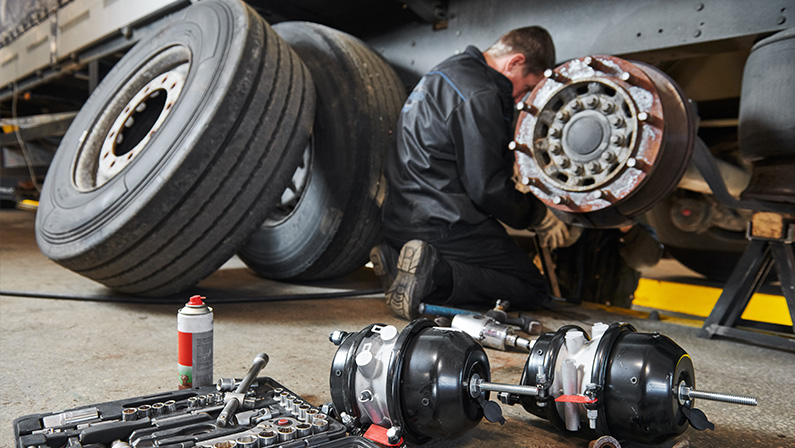
Regular maintenance and repairs are essential to keep your truck trailer in good working condition and to prevent costly breakdowns.
Maintenance costs can include routine tasks such as tire replacements, brake inspections, and lubrication of moving parts, as well as more significant repairs like axle or suspension work. It's essential to factor in these ongoing costs when determining the overall affordability of a truck trailer.
Insurance is another ongoing cost to consider when purchasing a truck trailer. The cost of insurance can vary depending on factors such as the value of the trailer, its intended use, and the coverage level you choose.
It's essential to research and compares insurance quotes from different providers to find the best coverage at the most affordable price. Keep in mind that some insurers may offer discounts for safety features or bundling policies, so be sure to inquire about any potential savings.
There are also miscellaneous costs to consider when owning and operating a truck trailer, such as registration fees, taxes, and permits.
Depending on your location and the type of trailer, you may be required to obtain specific permits or pay additional taxes. Additionally, some jurisdictions may require annual inspections or certifications for certain types of trailers, which can also add to the overall cost of ownership.
Purchasing a truck trailer is a significant investment, and it's crucial to make the right decision based on your specific needs and budget. With so many factors to consider, finding the best trailer for your requirements can be a challenging task.
In this section, we will discuss four steps to help you determine the best trailer investment for your needs.
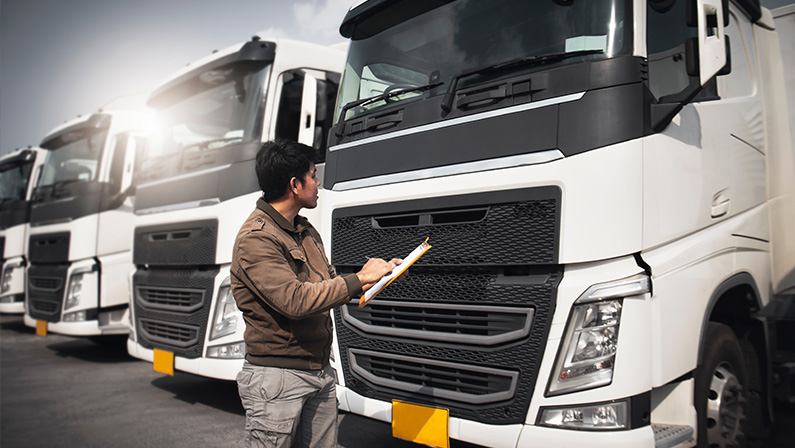
The first step in determining the best trailer investment for your needs is to assess your specific requirements. This includes considering the type of cargo you'll be transporting, the distance and frequency of your trips, and any special conditions or regulations that may apply to your industry.
By having a clear understanding of your needs, you can narrow down the options and focus on trailers that will best serve your purposes.
Once you have a clear understanding of your specific requirements, it's essential to set a realistic budget. This should include not only the initial cost of the trailer but also the ongoing expenses such as fuel, maintenance, insurance, and miscellaneous costs.
By setting a budget, you can ensure that you're considering trailers within your financial means and avoid overspending or underestimating the total cost of ownership.
Consulting with industry experts or dealers can provide valuable insights and recommendations based on your specific needs and budget.
These professionals have extensive knowledge of the various trailer options available, as well as the pros and cons of each. They can help guide you toward the best trailer investment based on your requirements and offer advice on financing options, warranties, and other factors to consider.
Finally, it's essential to compare the features and options of the trailers you're considering. This includes evaluating the materials and construction quality, brand reputation, customization options, and any additional features that may be important to your specific needs. By comparing the various options, you can make an informed decision and choose the trailer that offers the best value and meets your requirements.
Finding the right truck trailer for your needs involves researching and exploring various sources to find the best options available. With numerous places to search for truck trailers for sale, it can be overwhelming to know where to start.
In this section, we will discuss three common sources to help you find truck trailers for sale that suit your needs and budget.
One of the best places to start your search for a truck trailer is at local dealerships and manufacturers. These businesses specialize in selling new and used trailers and can provide valuable information and assistance in finding the right trailer for your needs.
Visiting local dealerships allows you to inspect the trailers in person, ask questions, and even test towing capabilities of your vehicle. Additionally, local manufacturers may offer customization options and provide support for repairs and maintenance.
Another popular option for finding truck trailers for sale is through online marketplaces and classifieds. Online marketplaces allow you to filter your search based on factors such as location, price, and trailer type, making it easier to find options that suit your needs.
However, it's essential to exercise caution when purchasing from online sources, verify the seller's credibility, and inspect the trailer in person before finalizing the purchase.
Auctions and rental companies can also be excellent sources for finding truck trailers for sale. Auctions, both in-person and online, can offer a wide range of trailers at potentially lower prices than traditional dealerships.
However, it's important to keep in mind that auction purchases are generally final and may not come with warranties or guarantees, so thorough inspection and research are crucial. Rental companies, on the other hand, may sell their used trailers as they update their fleet. These trailers are often well-maintained and can be a good option for those looking for a reliable used trailer.
Yes, there are several financing options available for purchasing truck trailers. Many dealerships and financial institutions offer loans and leasing options to help buyers acquire the equipment they need.
Some of the most common financing options include:
Here are some of the benefits and drawbacks of investing in new truck trailers as opposed to used ones:
For new truck trailers, here are some of the pros and cons:
For used truck trailers, here are some of the pros and cons:
When considering the purchase of a truck trailer, it's essential to weigh the pros and cons of new vs. used options and explore available financing options.
One company to consider when making your decision is Nostar Company, located in Brookston, Texas. We offer a wide range of truck trailers and can help you find the perfect fit for your needs. Contact us today!