X
Receive information tailored to you
X
Leave your details below and one of our specialists will contact you shortly to provide more information and answer any questions.
In the world of hauling and transporting, versatility is the key to efficiency. Enter the multi-purpose utility trailer – a true game-changer for those seeking a flexible and practical solution for various tasks.
Let’s dive into the numerous advantages that come with owning a multi-purpose utility trailer and how it can revolutionize the way you handle your hauling needs

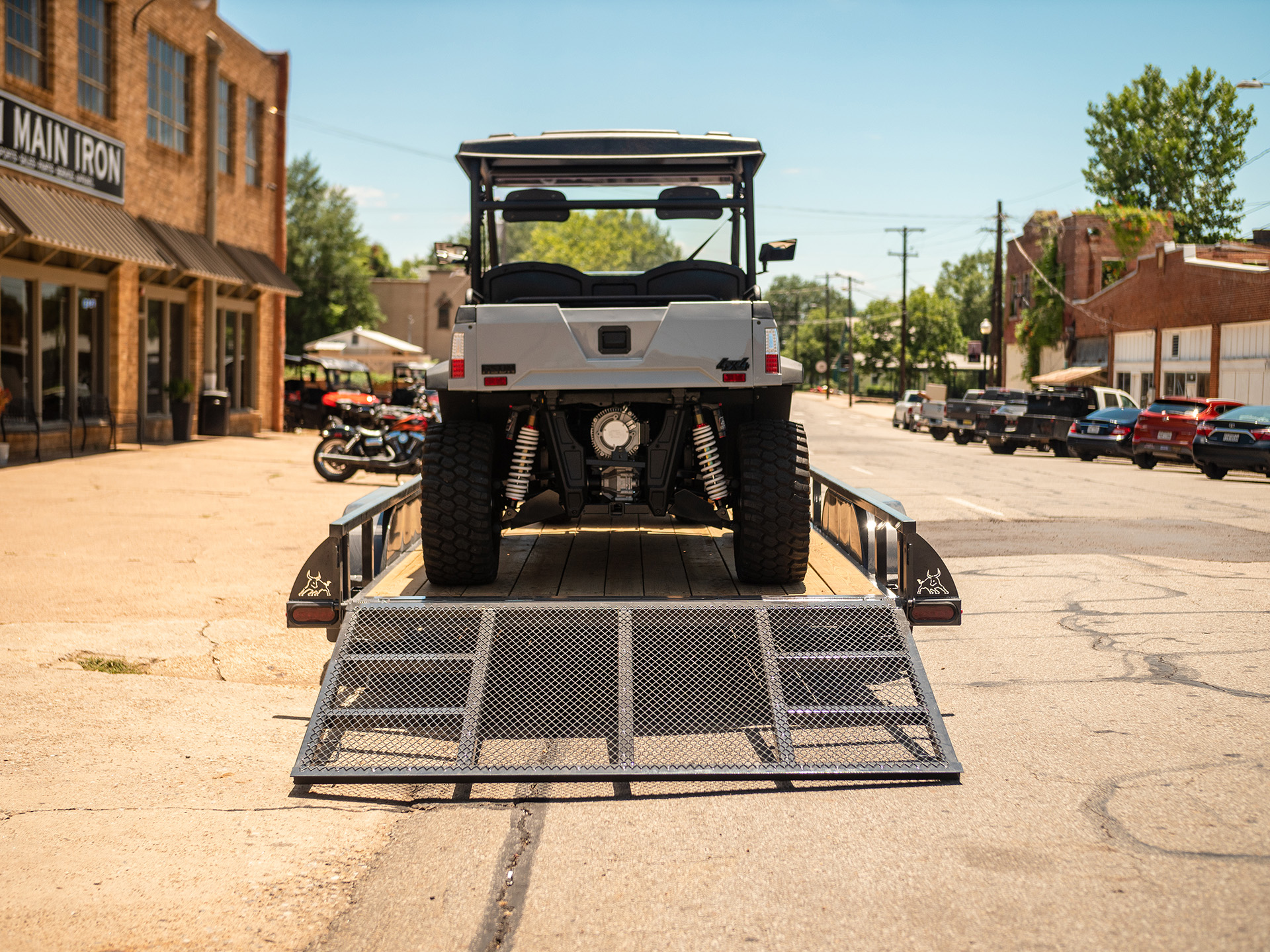
Owning a multi-purpose utility trailer is a strategic investment for those who value versatility, efficiency, and convenience in their hauling endeavors. Whether you're a homeowner, business owner, or outdoor enthusiast, the advantages of owning a multi-purpose utility trailer extend beyond mere transportation – it's about embracing a versatile tool that adapts to your ever-changing needs. Upgrade your hauling experience and unlock the potential of on-demand versatility with a multi-purpose utility trailer today.
Your trusty truck has served you well, but over time, the wear and tear of everyday use may lead to a rusted truck bed.
If you know how to fix a rusted truck bed, you can restore it to its former glory and make it last even longer.
This comprehensive guide will walk you through the steps to restore your rusted truck bed as we arm you with the right tools and a few handy tricks to tackle a repair project confidently.
Several factors contribute to the formation of rust, ranging from environmental conditions to everyday wear and tear.
One of the primary culprits behind rust in truck bed is prolonged exposure to moisture and water. The metal surface becomes susceptible to oxidation when your truck bed comes into contact with rain, snow, or even humidity.
Water acts as a catalyst, accelerating the corrosion process. This is especially true if the moisture is allowed to accumulate and remain trapped on the truck bed's surface.
In regions where winter weather brings icy roads, road salt becomes a common sight. While salt helps melt snow and ice, it poses a significant threat to your truck bed's metal. Salt acts as an abrasive substance, promoting rust formation when it comes into contact with the metal surface.
Other chemicals, such as deicers and harsh cleaning agents, can also contribute to accelerated corrosion.
Scratches and paint damage may seem like minor cosmetic concerns, but they can lead to serious truck bed rust issues if left unattended. When the protective paint or coating on your truck bed is compromised, it exposes the bare metal underneath.
This leaves the surface vulnerable to moisture and other corrosive elements, leading to rust development. It's essential to address any scratches or paint damage promptly to prevent rust from taking hold.
Protective coatings play a vital role in preventing rust on truck beds. These coatings act as a barrier between the metal surface and external elements. Over time, however, these coatings can wear off or become damaged.
When the protective layer is compromised, the metal is left exposed and susceptible to rust formation. Regular maintenance and reapplication of protective coatings are essential to prevent corrosion.
Before diving into the repair rusted truck bed, it's crucial to assess the severity of the rust damage. Understanding the extent of the corrosion will help you determine the appropriate truck bed rust repair approach and the level of effort required.
Begin by conducting a visual inspection of the rusted areas on your truck bed. Look for visible signs of rust, such as reddish-brown discoloration, flaking paint, or pitted metal surfaces. Pay close attention to corners, edges, and areas that are frequently exposed to moisture or road debris.
Note the size, location, and overall appearance of the rusted spots to gauge the severity of the damage.
Rust not only affects the aesthetics of your truck bed but can also compromise its structural integrity. Inspect the rusted areas for any signs of weakening or deformation. Press on the affected spots to check for softness, sponginess, or holes indicating severe corrosion.
Assess if the rust has penetrated deep into the metal, potentially compromising the strength and load-bearing capacity of the truck bed.
To accurately assess the extent of the rust damage, it's crucial to differentiate between surface rust and structural rust. Surface rust typically appears as a thin layer on the metal surface and can be addressed relatively easily.
On the other hand, structural rust indicates deeper corrosion that may have weakened the metal. Use a small tool, like a screwdriver, to gently probe the rusted areas. If the metal feels solid beneath the surface rust, it's likely to cause surface corrosion.
However, if the tool easily penetrates or the metal flakes away, it suggests structural rust and requires more extensive repairs.
When it comes to fixing a rusted truck bed, having the right tools and materials is essential for a successful repair.
Here are five key items you'll need:
If your truck bed has minor surface rust, addressing it promptly can prevent further corrosion and restore the appearance of your vehicle. Here's a step-by-step guide on fixing minor surface rust on a truck bed:
Start by thoroughly cleaning the rusty area of the truck bed using a mild detergent or automotive cleaner. Remove any dirt, grime, or loose particles that may hinder the repair process. Rinse the area with clean water and allow it to dry completely before proceeding.
Using a wire brush or sandpaper, gently scrub the affected area to remove any loose rust, flaking paint, or debris. Focus on the rusted spots, ensuring you reach bare metal. Be careful not to damage the surrounding paint or create deeper scratches.
Apply a rust converter or rust remover to the cleaned surface following the product instructions. Rust converters chemically react with the rust, transforming it into a stable compound that can be painted over. Rust removers dissolve the rust, facilitating its removal. Choose the appropriate product based on the severity of the rust and follow the recommended application method.
After the rust converter or remover has dried, use fine-grit sandpaper to smooth the surface. This step helps create a level and even surface for the subsequent layers of primer and paint. Sand gently in circular motions, paying attention to blending the edges with the surrounding areas.
Apply a layer of automotive primer to the repaired surface. The primer acts as a protective barrier between the metal and the environment. Allow the primer to dry as per the manufacturer's instructions, and then proceed to apply the appropriate automotive paint, matching the color of your truck bed. Apply multiple thin coats, allowing each coat to dry before adding the next one for a smooth and durable finish.
When extensive rust damage has affected your truck bed, a more involved repair process is required to restore its functionality and appearance.
Follow these steps to tackle extensive rust damage effectively:
Inspect the rusted areas and identify sections or panels that are beyond repair. Carefully remove these damaged sections using appropriate tools like a cutting wheel, or reciprocating saw. Take caution to avoid damaging the surrounding metal that is still in good condition.
If your truck bed has holes or weak areas due to rust damage, welding or patching is necessary. Welding may be the preferred method for smaller holes to fill and reinforce the affected areas. Larger holes may require patching with sheet metal and securing it in place with rivets, screws, or welding. Ensure a strong and secure repair to restore the structural integrity of the truck bed.
Treat the remaining rusted areas using a rust converter or remover to halt corrosion. Follow the product instructions to apply the converter or remover, ensuring thorough coverage. Once the rust is treated, clean the surface and remove any loose rust, debris, or old paint using a wire brush, sandpaper, or sanding disc. This prepares the surface for the application of protective coatings.
Apply a high-quality protective coating to the repaired areas and the entire truck bed. This may include rust inhibitors, epoxy primers, and automotive-grade undercoating. These coatings provide additional protection against moisture, road debris, and future rust formation. After the protective coatings have cured, apply automotive paint that matches your truck bed's color for a finished and polished appearance.
When it comes to rust repairs on a truck bed, the decision to DIY or seek professional help depends on several factors.
Minor surface rust and small repairs can often be tackled as a DIY project, especially if you have some experience with automotive repairs and access to the necessary tools. DIY repairs can save you money and provide a sense of accomplishment.
However, extensive rust damage, structural issues, or lack of experience may warrant seeking professional assistance.
Professionals have the expertise, specialized equipment, and knowledge to handle complex repairs and ensure long-lasting results. They can accurately assess the severity of the rust damage, offer expert advice, and perform repairs using industry-standard techniques.
Ultimately, the choice between DIY and professional help depends on your comfort level, skill set, and the extent of the rust damage. Prioritize safety and quality of repair, and consider consulting with professionals if needed to make an informed decision.
Preventing future rust issues on your truck bed is essential for maintaining its appearance and structural integrity.
Here are four key measures you can take to minimize the risk of rust:
Frequent cleaning of your truck bed, particularly after exposure to moisture or road salt, helps remove dirt, debris, and corrosive substances that can contribute to rust formation.
Consider applying a protective coating specifically designed for truck beds, such as a spray-on bedliner or rust-resistant paint. These coatings act as a barrier, shielding the metal from moisture, chemicals, and abrasion.
Be mindful of potential scratches or damage to the paint on your truck bed. Promptly touch up any chips or scratches using a matching paint to prevent moisture from reaching the bare metal.
Periodically apply rust-proofing treatments to your truck bed. These treatments help to seal and protect the metal surfaces, inhibiting rust formation and prolonging the lifespan of your truck bed.
Aside from knowing how to fix truck bed rust with tools and techniques, there are alternative solutions to consider before resorting to full replacement.
Here are three options:
Repairing rusted truck beds is an important task to maintain the functionality and appearance of your vehicle. Following the steps, you can effectively address minor surface rust and extensive rust damage.
Remember to assess the severity of the rust, gather the necessary tools and materials, and take appropriate safety precautions. Whether you choose to tackle the repairs yourself or seek professional help, prioritize the long-term durability and protection of your truck bed.
In your search for high-quality truck beds and trailers, consider Norstar Company as a trusted provider in Texas. Norstar offers durable and reliable truck beds and trailers that can withstand the demanding nature of your work. Our products are designed to endure the daily grind and provide the strength and resilience required for your tasks.
Take the first step towards protecting your truck bed and ensuring its longevity. Invest in quality repairs and reliable truck bed solutions to maintain the performance and appearance of your vehicle for years to come.
Truck bed side rails are essential accessories that enhance the functionality and aesthetics of your vehicle. In this article, we will explore what bed side rails are, their purpose, the benefits they offer, various types available, factors to consider when selecting them, and where to buy high-quality side rails for your truck bed.
A bed side rail is an accessory that attaches to the sides of a truck bed, running parallel to the ground. It provides a barrier and additional support for cargo, helping to secure it during transportation.
Truck side bed rails can be used for:
Side rails for truck beds have several advantages, such as:
Truck bed side rails come in various types, each offering unique features and advantages. Understanding the different types can help you choose the one that best suits your needs and preferences. These types include:
Tubular side rails are typically made of durable steel or aluminum tubes, providing a sturdy barrier for your cargo. They are known for their versatility and are compatible with various truck models.
Flat side rails offer a sleek and low-profile design. They are often made of stainless steel or aluminum and are ideal for users seeking a minimalist and modern look for their truck bed.
Stake pocket side rails are designed to fit into the stake pockets of your truck bed. They offer a convenient and secure attachment method without requiring any drilling or modifications.
Retractable side rails provide the flexibility to extend or retract the rails as needed. They are a great option for those who desire the functionality of side rails when necessary but prefer a cleaner look when not in use.
Choosing the right side rails for your truck bed is crucial to ensure optimal functionality, durability, and compatibility with your specific needs. With a multitude of options available in the market, it's important to consider several factors before making your decision.
Some factors you should consider when selecting truck side bed rails are:
Ensure that the side rails you choose are compatible with the make, model, and year of your truck. This information can usually be found in the product description or by contacting the manufacturer.
Consider your specific needs and how you intend to use the side rails. Determine if you require them primarily for cargo protection, tie-down points, or a combination of both.
Opt for side rails made from high-quality materials such as stainless steel or durable aluminum. These materials offer excellent resistance to rust, corrosion, and general wear and tear.
Set a budget for your side rails and explore options within that range. Consider the overall value, including the material quality, design, and additional features offered by each product.
Choose side rails that complement the overall look of your truck. Consider factors such as the finish, design, and compatibility with other accessories you may have installed.
When it comes to purchasing high-quality side rails for your truck bed, it's important to choose a reputable supplier that offers durable and reliable products. One such company is Norstar.
They specialize in truck bed accessories and provide a wide range of side rails designed to meet various truck models and customer preferences.
Norstar Company provides a range of side rails designed to enhance the functionality and appearance of your truck bed. Their products are made from durable materials to withstand the demands of cargo transportation.
Whether you need tubular side rails, flat side rails, stake pocket side rails, a truck bed side rail protector, truck bed wood side rails, or other types, Norstar has options to suit your needs.
Norstar Company offers truck beds with skirted designs and integrated side rails. These products provide a seamless and stylish solution for your truck bed needs. Their side rails are designed to enhance cargo security while adding a touch of aesthetic appeal to your truck. By choosing side rails from Norstar, you can trust in the quality and durability of their products.
When selecting side rails, make sure to verify the compatibility with your specific truck model to ensure a proper fit. Norstar’s website should provide information on compatibility and additional details about their products to help you make an informed decision.
Truck bed side rails are valuable accessories that enhance the functionality and appearance of your vehicle. By choosing the right type of side rails and considering important factors, you can ensure a secure and stylish solution for your cargo transportation needs. Visit Norstar Company to explore a range of high-quality side rails and find the perfect fit for your truck bed.
When it comes to landscaping, having the right equipment is essential to efficiently transport materials, tools, and equipment. One crucial tool that can greatly enhance the efficiency and versatility of your landscaping business is a landscape truck bed.
In this article, we will explore the benefits of landscape truck beds and why they are essential for landscaping professionals. We will also discuss how to choose the right landscape truck bed, the different types available, customization options, installation and maintenance tips, as well as important safety considerations.
A landscape truck bed is a specialized bed designed explicitly for installation on trucks or chassis. Its sole purpose is to cater to the unique needs of landscaping professionals, providing them with a dedicated space that's tailor-made for their demanding tasks.
The beauty of a landscape truck bed lies in its ability to securely carry an array of landscaping materials. Imagine having a designated area specifically designed to transport essentials like mulch, plants, rocks, and an assortment of tools—all in one organized and efficient package.
With a well-designed bed, you can arrange your materials strategically, ensuring easy access and minimizing the dreaded scavenger hunt for a particular tool or supply. This means you can focus more on bringing your creative landscaping visions to life and less on searching for misplaced items.
Landscape truck beds are more than just a handy addition to a landscaping professional's arsenal—they are essential tools that significantly elevate efficiency and convenience.
One of the primary reasons landscape truck beds are essential is their ability to provide convenient storage and transportation solutions. These beds are purpose-built to accommodate all the necessary tools and materials, offering a designated space that keeps everything organized and easily accessible.
With a landscape truck bed, you no longer have to juggle multiple containers or make multiple trips back and forth. Instead, you can consolidate your equipment and supplies in one place, saving time and effort.
Landscape truck beds also enable you to maximize the payload capacity of your truck. By efficiently utilizing the available space within the bed, you can transport a larger volume of materials and equipment in a single trip. This not only reduces the number of journeys required but also minimizes fuel consumption and associated costs.
The increased payload capacity provided by landscape truck beds translates into enhanced productivity, allowing you to complete landscaping projects more efficiently.
Using landscape truck beds provides a range of benefits for landscaping businesses:
Landscape truck beds offer designated compartments and storage solutions, making it easier to organize and access tools and materials. This leads to increased efficiency and saves valuable time on the job site.
Landscape truck beds are designed to maximize the payload capacity of your truck, allowing you to transport larger quantities of materials in a single trip. This efficiency translates into cost savings and improved productivity.
Landscape truck beds are equipped with features such as side panels, tie-down points, and locking mechanisms, ensuring the safe and secure transportation of valuable equipment and materials. This protection minimizes the risk of damage or theft during transit.
Landscape truck beds can be customized to suit your specific needs, offering flexibility in storage options and configurations. Whether you need compartments for small tools, racks for long-handled equipment, or space for larger materials, a landscape truck bed can be tailored to accommodate your requirements.
Choosing the right landscape truck bed involves considering various factors:
Assess the weight and volume of materials you typically transport to determine the appropriate payload capacity for your truck bed.
Identify the types of tools and equipment you need to carry and ensure the landscape truck bed provides sufficient compartments, racks, and storage options to accommodate them.
Look for landscape truck beds made from high-quality materials, such as steel or aluminum, that can withstand the demands of your work environment and provide long-lasting durability.
Consider the customization options available, such as additional compartments, ladder racks, or specialized storage solutions, to tailor the landscape truck bed to your specific needs.
Ensure the landscape truck bed is compatible with your truck's make and model, considering factors such as bed size, mounting system, and electrical connections.
Landscape truck beds come in various types, each offering unique features and advantages:
Dump beds allow for easy unloading of materials, providing convenience and efficiency for landscaping projects that involve frequent dumping or spreading of materials.
Flatbeds offer an open and versatile space, allowing you to transport larger or irregularly shaped items such as trees, equipment, or large landscaping materials.
Enclosed beds provide protection against the elements and secure storage for tools, equipment, and materials, ensuring they remain safe and undamaged during transportation.
Utility beds combine storage compartments, racks, and open space, providing a versatile solution for organizing and transporting a wide range of tools and materials.
When it comes to landscape truck beds, customization is key to tailoring the bed to meet the unique requirements of your landscaping business. Let's delve into the range of customization options available to enhance the functionality and efficiency of your landscape truck bed.
Customize the number, size, and configuration of compartments and storage spaces to accommodate your specific tools and equipment.
Add racks or holders for long-handled tools, such as shovels and rakes, to keep them secure and easily accessible.
Incorporate ladder racks to transport ladders or other long items without taking up valuable space inside the truck bed.
Choose between swing-out or drop-down tailgates to suit your loading and unloading preferences.
Select the material of the truck bed, such as steel or aluminum, based on your desired durability, weight, and corrosion resistance.
Proper installation and maintenance of your landscape truck bed are crucial to ensure its longevity and optimal performance.
Here are tips you can consider to prolong your landscape truck bed’s lifespan:
When installing your landscape truck bed, it's crucial to follow the manufacturer's instructions meticulously. These instructions provide specific guidance tailored to your bed model, ensuring a secure and reliable installation.
If you're unsure about the installation process, it's advisable to consult a professional. They can offer expertise and ensure that the landscape truck bed is properly fitted onto your truck or chassis, minimizing the risk of potential issues down the line.
Regular inspections of your landscape truck bed are vital for early detection of any signs of damage, wear, or loose components. Set a schedule for periodic inspections to catch problems before they escalate.
Pay attention to areas prone to wear, such as hinges, locks, and fasteners. Check for any signs of corrosion or weakened structural integrity. If you notice any issues during the inspection, address them promptly. Repair or replace damaged parts to prevent further damage and maintain the safety and functionality of the bed.
Regular cleaning is crucial to keep your landscape truck bed in optimal condition. Remove any debris, dirt, or residue that may accumulate in the bed or on its components.
Pay particular attention to areas that are exposed to moisture or chemicals as well, as these can cause corrosion. Thoroughly clean and dry these areas to prevent rust or degradation. Don’t forget to lubricate moving parts, hinges, locks, and other mechanical components regularly to ensure smooth operation.
Maintaining safety while using landscape truck beds is paramount. Keep the following considerations in mind:
Safely load and secure materials, tools, and equipment within the landscape truck bed to prevent shifting during transportation.
Distribute the weight evenly to maintain stability and prevent overloading that can affect the vehicle's handling.
Adhere to safe driving practices, including maintaining appropriate speeds, following traffic regulations, and adjusting driving techniques to accommodate the added weight and dimensions of the landscape truck bed.
Perform routine maintenance on your truck and landscape truck bed to ensure proper functionality and minimize the risk of mechanical failures.
Landscape truck beds are essential tools for landscaping professionals, providing efficient storage, enhanced payload capacity, and improved organization. By choosing the right landscape truck bed and considering customization options, installation and maintenance practices, and safety considerations, you can optimize your landscaping operations.
If you're ready to enhance your landscaping endeavors and unlock the full potential of your business, explore the range of landscape truck beds offered by Norstar Trailers. With locations in various cities, including Houston, Texas, Norstar Trailers provides high-quality and tailored solutions to meet the unique needs of landscaping businesses like yours.
Take the next step in revolutionizing your work by contacting Norstar Trailers today. Discover how their extensive selection of landscape truck beds can streamline your operations, increase capacity, and improve efficiency.
Whether you're a seasoned professional or new in the field, versatile and highly-functional toolboxes offer a myriad of benefits when maintaining equipment and tools.
In this comprehensive blog, we'll discuss the various types and styles of dump trailer toolboxes and the crucial aspects to consider when choosing the perfect toolbox.
Join us as we dive into the wide variety of dump trailer toolbox options available and learn how to select the best fit for your needs. Let's get started!
A dump trailer toolbox is a specialized storage solution designed to house and organize your tools and equipment. It is typically installed in the bed of a dump trailer, a heavy-duty vehicle used to transport materials like gravel, sand, and soil.
Offering a compact and safe trailer storage boxes option, dump trailer toolboxes are engineered to withstand harsh environments and protect your valuables from theft, dust, and weather-related damage.
Why Are Dump Trailer Tool Boxes Essential?
Dump trailer toolboxes play a crucial role in keeping your tools and equipment readily available for efficient, reliable access when you need them the most.
The following reasons highlight their importance:
Choosing to invest in a trailer with toolboxes comes with numerous advantages:
Making the right choice of toolbox for your dump trailer can boost your overall productivity, ensure the safety and longevity of your tools, and demonstrate a high level of professionalism. Explore the market and find the perfect match for your needs to reap the benefits of a reliable dump trailer toolbox.
When it comes to dump trailer toolboxes, there's no shortage of options available on the market. Understanding the distinctions between various types can help you make an informed decision that caters to your specific storage, functionality, and aesthetic requirements.
Let's explore the different kinds of dump trailer toolboxes and the unique features they offer.
Side-Mount Tool Boxes
As the name suggests, side-mount toolboxes are attached to the side of your dump trailer. These sturdy, protective storage units are generally compact, offering easy access to tools without taking up the entire truck bed's space. Available in a variety of sizes and materials, side-mount toolboxes can be customized to fit your preferences and the layout of your dump trailer.
Under-bed toolboxes are installed directly beneath your dump trailer bed, making efficient use of limited space without obstructing the bed area. They're typically constructed from weather-resistant and heavy-duty materials, ensuring the protection of your tools and equipment. These toolboxes excel in maintaining a streamlined look while offering ample storage space.
Ideal for trailers with an A-frame tongue, tongue-mount toolboxes fasten to the trailer's tongue section. Their strategic location offers a convenient spot for storing tools and supplies while saving valuable bed space. Available in various sizes, tongue-mount toolboxes are appreciated for their easy accessibility, efficient use of space, and improved balance of load distribution.
Perched behind the cab, cross-bed toolboxes extend across the width of your dump trailer bed. They typically feature dual doors for easy access from either side of the trailer, providing hassle-free storage and organization. Cross-bed toolboxes are ideal for those who need ample storage capacity without sacrificing bed space and accessibility.
Chest-style toolboxes resemble traditional chests with a single, top-opening lid. Geared towards larger dump trailers, chest-style toolboxes can be placed on the bed floor or in a customized recess. They offer a high degree of security, ample storage, and organization and are often equipped with durable, weather-resistant materials.
Specialty toolboxes cater to specific storage requirements, usually tailored to accommodate unique tools or equipment. These custom solutions provide a more efficient organization for unconventional items that may not fit standard toolboxes. Options include wheel-well toolboxes, drawer units, and even ladder racks.
Aluminum toolboxes strike a balance between durability and lightweight design. Resistant to corrosion, they make an excellent choice for challenging work environments and intensive use. Aluminum toolboxes are appreciated for their sleek aesthetic and low-maintenance finish.
Plastic toolboxes, typically made from heavy-duty polyethylene, offer an economical and lightweight alternative. Although not suitable for heavy-duty applications, plastic toolboxes are a popular choice for those seeking a budget-friendly solution without compromising functionality and storage space.
When standard toolboxes don't meet your needs, customized toolboxes offer an adaptable solution. This option allows you to fine-tune the size, materials, and configuration to fit your specifications, ensuring maximum compatibility with your dump trailer and unique business requirements.
Selecting the appropriate dump trailer toolbox involves considering several factors that impact your usage, requirements, and preferences.
Here's a list of important elements to keep in mind when weighing your options:
There are various purchasing channels for dump trailer toolboxes, including local and online retailers.
Each source offers its advantages:
Regardless of where you choose to buy, ensure to research the chosen retailer's reputation, customer reviews, and warranty policies.
Proper installation and secure mounting of your dump trailer toolbox are crucial for both safety and functionality.
Here are some tips to help ensure a successful installation:
By following these steps, you'll ensure a stable, secure, and efficient dump trailer toolbox experience. Proper installation and maintenance will prolong the life of your toolbox and maximize its performance.
To maximize the longevity and performance of your dump trailer toolbox, consistent maintenance and care become essential.
Here's a basic maintenance guide that, when adhered to, can result in the optimal lifespan and functionality of your toolbox:
Choosing the right dump trailer toolbox involves meticulous decision-making, taking into account factors such as toolbox type, material, size, functionality, and budget. High-quality toolboxes not only protect and organize your tools but also enhance your efficiency and professionalism. Proper installation and conscientious maintenance further preserve the toolbox's lifespan and performance.
If you're at the place of deciding upon the right toolbox to complement your dump trailer, consider reaching out to us at the Norstar Company, located in Brookston, Texas. We pride ourselves on delivering high-quality, durable, and versatile options for dump trailer toolboxes. As a reliable resource in your tool storage solution journey, we are more than happy to guide you in selecting, installing, and maintaining the perfect toolbox that fits your unique needs.
Choose wisely, handle with care, and allow your dump trailer toolbox to serve as a lasting partner in your workflow optimization.
When hauling heavy loads, having the right utility trailer accessories can make all the difference.
Whether you're a seasoned hauler or a beginner, investing in these essential accessories can enhance your hauling endeavors' safety and efficiency.
This article will explore the must-have accessories for your utility trailer, from trailer hitch locks to sturdy tie-down straps. We'll also provide valuable insights on where to find these accessories, ensuring you have a hassle-free experience acquiring the necessary tools to optimize your hauling operations.
Utility trailer accessories are a range of add-on components designed to enhance your trailer's functionality, safety, and convenience. These accessories are specifically tailored to meet the diverse needs of trailer owners, providing solutions for securing cargo, improving visibility, increasing towing capacity, and ensuring overall trailer stability.
These accessories are crucial in transforming a basic trailer into a versatile and reliable hauling machine, from hitch and coupler locks to trailer ramps, tie-down straps, trailer lights, and spare tire mounts.
Investing in utility trailer accessories is essential for a variety of reasons. These accessories offer numerous benefits that enhance the safety, functionality, and overall convenience of your hauling experience. Here are some key reasons why you need utility trailer accessories:
Equipping your utility trailer with the right accessories ensures a safer, more efficient, and hassle-free hauling experience, regardless of the nature of your cargo or the distance you need to travel.
When it comes to utility trailer accessories, several categories cater to different aspects of functionality and safety. Let's explore some of the essential utility trailer accessories and their benefits.
It is essential that you invest in safety gear when using your utility trailer to reduce untoward accidents.
Improve the use of your utility trailer with these helpful accessories that help with organization and convenience.
In addition to the essential utility trailer accessories, several other gear are available that can further enhance the utility and convenience of your trailer. Let's explore some of these additional utility trailer accessories ideas and their benefits.
By incorporating these utility trailer parts and accessories into your hauling setup, you can enjoy enhanced peace of mind, knowing that your cargo and trailer are safe and secure throughout your travels.
When choosing utility trailer accessories, it's important to consider various factors to ensure you make the right selection. Here are key factors to keep in mind when selecting accessories for your utility trailer:
Check the compatibility of the accessories for the utility trailer with your specific trailer model.
Determine the specific needs and requirements for your hauling tasks.
It is important to opt for accessories made of durable materials and designed to withstand the rigors of heavy-duty hauling.
Consider your budget when selecting accessories for your trailer.
Take the time to research and compare options to ensure you choose accessories that are compatible, purposeful, of good quality, and within your budget.
Knowing when to replace or upgrade your utility trailer accessories and parts is essential for optimal functionality and safety. Here are three indicators that it may be time to consider replacing or upgrading your utility trailer accessories:
By staying vigilant and recognizing the signs that indicate the need for replacement or upgrades, you can maintain a well-equipped and reliable trailer for all your hauling needs.
When purchasing essential utility trailer accessories, NorStar Company stands out as a top source for finding the right products to meet your needs.
At NorStar Company, we pride ourselves on our meticulous production process which is designed to deliver high-quality and dependable utility trailer accessories at competitive prices.
We begin with laser-cut and precision machined components, crafted to meet the highest industry standards. Our highly skilled welders then assemble these components with great precision, ensuring consistency in every product we create.
For the finish, we employ an advanced wash and powder coating system that engenders a great shine that is as durable as it is striking. Finally, we trim out the products and subject them to a stringent quality inspection, verifying that we've adhered to our high standards every step of the way.
Investing in the right utility trailer tools enhances safety, functionality, and convenience during hauling. By considering compatibility, purpose, quality, and price factors, you can select the accessories that best suit your needs and provide the desired benefits. Regularly assessing the condition of your accessories and recognizing signs for replacement or upgrades will ensure optimal performance and safety.
If you're looking for a reliable manufacturer and supplier of utility trailer accessories, consider Norstar Company. Based in Texas, Norstar is a leading manufacturer of trailers and provides a wide range of high-quality utility trailer accessories. With our commitment to durability, innovation, and customer satisfaction, Norstar offers accessories designed to meet the demands of various hauling tasks.
Whether you need tie-down straps, trailer lights, hitch locks, or other essential accessories, Norstar Company has you covered. Contact our knowledgeable team to explore our product offerings and find the perfect accessories for your utility trailer.
If you own a dump trailer, you understand the importance of maximizing its capacity and efficiency. Fortunately, there is a game-changing solution that can enhance your trailer's hauling capabilities: dump trailer side extensions. These extensions provide additional height and space, enabling you to transport larger volumes and bulkier items with ease.
In this article, we will delve into the world of dump trailer side extensions, exploring their types, benefits, installation process, and maintenance tips. Whether you're a contractor, landscaper, or homeowner, dump trailer side extensions can revolutionize your hauling capabilities and make every job more efficient.
Dump trailer side extensions are practical accessories designed to expand the height and capacity of your dump trailer's cargo area. By securely attaching to the existing sides of your trailer, these extensions create extra vertical space, enabling you to transport larger and taller loads.
Steel side extensions are renowned for their durability and strength. Constructed from sturdy steel materials, they provide excellent stability and structural support, ensuring the safe transportation of heavy materials and equipment. Steel side extensions are an ideal choice for heavy-duty hauling tasks where reliability and robustness are important.
Dump trailer side extensions offer several benefits that enhance your hauling capabilities and make your job easier. Here are some of these advantages:
By adding side extensions to your dump trailer, you significantly increase its load capacity. The additional height allows you to transport more materials in a single trip, saving you time, fuel, and labor costs.
Whether you're hauling bulk materials, debris, or other large items, dump trailer side extensions allow you to maximize your trailer's carrying capacity.
Dump trailer side extensions also provide better containment and organization of your cargo. They prevent items from spilling over the sides during transport, keeping everything securely in place.
This feature is particularly beneficial when hauling loose materials such as mulch, gravel, or debris. With side extensions, you can maintain a neat and organized cargo area, ensuring efficient unloading and minimizing cleanup efforts.
Dump trailer side extensions contribute to safer transportation by reducing the risk of items shifting or falling off the trailer while in transit. The added height and containment provide stability, minimizing the potential for accidents and damage to surrounding vehicles. With the increased safety offered by side extensions, you can have peace of mind knowing that your cargo is secure throughout the journey.
Most dump trailer side extensions are designed for easy installation and removal, allowing you to customize your trailer based on specific job requirements. This flexibility ensures that your dump trailer remains versatile, accommodating a range of load sizes and types.
The straightforward installation process allows you to quickly attach or detach the side extensions as needed, saving you time and effort.
Selecting the right side extensions for your dump trailer is crucial for optimal performance and compatibility. Consider the following factors when making your decision:
Ensure the side extensions you choose are compatible with your dump trailer model. Check the dimensions and attachment mechanisms to ensure a secure and proper fit. It's essential to select side extensions that align with your trailer's specifications to ensure a seamless integration.
Evaluate your typical hauling needs and the types of materials you frequently transport. Determine the required height and load capacity to choose side extensions that meet your specific requirements. Consider the weight, dimensions, and characteristics of the materials you transport to ensure the side extensions can accommodate them effectively.
Consider the durbility and maintenance needs of the side extensions. Steel extensions offer excellent durability but may require periodic maintenance to prevent rust. Wooden extensions may need regular staining or sealing to maintain their integrity. Assess your maintenance capabilities and choose side extensions that align with your preferences and available resources.
When it comes to purchasing dump trailer side extensions, Norstar is the trusted supplier you can rely on. With a focus on providing high-quality dump trailer accessories, including side extensions, Norstar ensures durability and reliability for your hauling needs. Visit their website to explore their selection and find the perfect option for your trailer. With Norstar's commitment to quality and customer satisfaction, you can search for quality dump trailer side extensions for sale, and make your purchase with confidence.
Installing dump trailer side extensions is a relatively straightforward process. While specific instructions may vary depending on the brand and model, here is a general step-by-step guide:
Proper maintenance ensures the longevity and performance of your dump trailer side extensions. Consider the following tips:
Periodically inspect the side extensions for any signs of damage or wear. Clean them regularly to remove dirt, debris, and corrosive materials that may affect their integrity.
If you notice any damaged or worn components, promptly repair or replace them to maintain the structural integrity and functionality of the side extensions. Follow the manufacturer's guidelines for any necessary repairs or replacements.
When not in use, store the side extensions in a clean and dry location to prevent rust, warping, or other forms of damage. Handle them with care during installation and removal to avoid unnecessary stress or bending.
Dump trailer side extensions are indispensable accessories that enhance the capacity, cargo organization, and safety of your hauling operations. This is why you should only consider reliable and durable side extensions.
Explore Norstar Company’s selection of side extensions and find the perfect fit for your dump trailer and Norstar has you covered. Their commitment to quality craftsmanship and customer satisfaction ensures that you receive a product that meets your expectations and withstands the rigors of demanding jobs.
Visit Norstar's website today and discover the exceptional quality and performance of their dump trailer side extensions. With Norstar's side extensions, you can tackle any hauling task with confidence and increased hauling capabilities.
Experience the convenience and efficiency of expanded load capacity, improved cargo organization, and enhanced safety during transportation. Don't limit the potential of your dump trailer when Norstar offers the perfect solution to take your hauling operations to the next level.
The open road beckons, promising endless adventures and unforgettable experiences. For trailer owners, the journey is not just about the destination but also about the journey itself.
Whether you're towing a travel trailer, an RV, or a commercial truck and trailer, the freedom of the road comes with its own set of challenges. This is where trailer roadside assistance steps in as the reliable companion every trailer owner needs.
Imagine embarking on a cross-country adventure in your meticulously packed travel trailer, or hauling valuable cargo with your trusted truck and trailer combination. The anticipation of the journey ahead is exhilarating, but the road can be unpredictable. This is where trailer roadside assistance emerges as a vital lifeline, ensuring your travels remain unburdened by unexpected setbacks.
Trailer roadside assistance is a comprehensive service tailored to trailer owners, offering immediate aid when unforeseen breakdowns occur during your journey. This service covers a spectrum of issues, ranging from mechanical failures to tire blowouts and everything in between. Regardless of the challenge you face on the road, trailer roadside assistance ensures that professional help is just a phone call away.
When you encounter a roadside emergency, a simple call to your roadside assistance provider sets the process in motion. A trained professional will assess your situation, dispatch the appropriate help, and guide you through any immediate steps to take for safety.
Whether it's a tire change, jump-start, or even towing to the nearest repair facility, their goal is to get you back on the road as quickly as possible.
Roadside assistance isn't limited to a specific type of trailer.
It extends its protective wings to a variety of trailers, including:
Commercial truck and trailer setups are the backbone of industries. From transporting goods to providing services, these combinations are vital for various businesses. Trailer roadside assistance ensures that both components receive the necessary attention to keep operations running smoothly.
A flat tire can happen at any time, and it's not just an inconvenience; it can lead to further damage if not addressed promptly. Having specialized trailer tire assistance means professionals who understand the unique needs of trailer tires will provide quick replacements or repairs.
RV trailers are a home on wheels, offering comfort and convenience during family vacations. Roadside assistance tailored for RVs ensures that your family's adventure remains stress-free by tackling issues that might arise while traveling with your home in tow.
For those who crave the thrill of exploration, travel trailers are the perfect companions. Whether you're discovering new landscapes or revisiting old favorites, dedicated roadside assistance for travel trailers keeps your expedition exciting and safe.
Trailer breakdowns can occur due to a multitude of reasons.
Some common scenarios where trailer owners might need roadside assistance include:
Mechanical issues with your towing vehicle or trailer can lead to unexpected breakdowns. Trailer roadside assistance provides the expertise to diagnose and address these problems swiftly.
The weight distribution and frequent use of trailers can make them susceptible to tire issues. Roadside assistance swiftly handles tire replacements, ensuring you're back on the road without delay.
A dead battery can bring your journey to an abrupt halt. Roadside assistance includes jump-start services to revive your battery and keep you moving.
Faulty brakes compromise safety on the road. Expert assistance will diagnose and address braking problems to ensure your trailer is roadworthy.
Running out of fuel or encountering fuel system issues can leave you stranded. Roadside assistance provides fuel delivery to keep you moving towards your destination.
Accidentally locking yourself out of your trailer or losing your keys can be frustrating. Professional locksmith services swiftly solve this issue and get you back inside.
Trailer suspensions can face wear and tear due to rough roads. Roadside assistance can address suspension issues, preventing further damage.
Having a reliable roadside assistance plan can swiftly address these concerns, saving you time, stress, and potentially costly repairs.
A comprehensive roadside assistance plan for trailers usually includes a range of services:
If your trailer cannot be repaired on-site, towing to a repair facility is provided, ensuring your trailer gets the necessary attention.
Professionals will replace or repair damaged tires, preventing further issues and ensuring your safety on the road.
A dead battery doesn't have to stall your journey. Roadside assistance provides jump-starts to get you back on the road.
Running out of fuel can happen, especially during long trips. Roadside assistance offers fuel delivery to keep you moving.
Accidental lockouts or lost keys are swiftly resolved by professional locksmith services.
Mechanical Repairs: Minor mechanical issues can be fixed on-site, allowing you to continue your journey without delays.
Professionals can diagnose issues on-site, providing insights into the problem and potential solutions.
Trailer breakdowns can happen at any time, potentially disrupting your plans and causing stress. This is where a reliable trailer roadside assistance plan becomes your saving grace.
However, with various options available, how do you choose the right plan to suit your specific needs?
Here's a guide to help you make an informed decision:
Many roadside assistance providers allow you to customize your plan based on your preferences. This ensures that you're only paying for the services you're most likely to need. Customization options might include coverage limits, service frequency, and add-on features like extended towing distances.
The road can also be unforgiving, subjecting your trailer to wear and tear that, if left unattended, can lead to unexpected breakdowns. By investing time and effort into preventive care, you're preventing breakdowns and safeguarding the essence of your journey.
Preventive maintenance involves regular inspections, tune-ups, and addressing minor issues before they escalate. This proactive approach increases the reliability of your trailer, reducing the chances of sudden breakdowns that can disrupt your travel plans.
The old adage "an ounce of prevention is worth a pound of cure" holds true for trailer maintenance. Addressing small problems early on prevents them from turning into larger, more expensive issues that might require major repairs or replacements.
A well-maintained trailer is likely to have a longer lifespan. Regular maintenance ensures that components are functioning optimally and not experiencing undue stress, resulting in a trailer that serves you faithfully for years to come.
Safety is paramount on the road. Preemptive maintenance identifies potential safety hazards, such as worn-out brakes, tire issues, or faulty lighting systems. By addressing these concerns beforehand, you're ensuring the safety of yourself, your passengers, and other road users.
A breakdown often leads to unexpected downtime, derailing your plans and causing inconvenience. Regular maintenance minimizes the chances of breakdowns, allowing you to stick to your travel itinerary and experience a seamless journey.
Knowing that your trailer is in optimal condition brings peace of mind. Instead of worrying about potential issues during your travels, you can focus on enjoying the sights, sounds, and experiences that the road has to offer.
Well-maintained trailers retain their value better than those with a history of neglect. Whether you plan to keep your trailer for years or eventually sell or upgrade, maintaining its value is a wise investment.
Efficiently functioning components, such as well-inflated tires and a tuned engine, contribute to better fuel efficiency. By keeping your trailer in prime condition, you're not just saving money on repairs; you're also saving money at the pump.
Different trailer types have different maintenance needs. Preemptive maintenance allows you to tailor your care to your specific trailer, addressing the nuances of its design and usage.
Preemptive maintenance can often be planned according to your schedule. You have the flexibility to schedule inspections and repairs at your convenience, rather than rushing to address unexpected breakdowns.
Trailer roadside assistance operates seamlessly across various locations, ensuring support no matter where your journey takes you. When facing a roadside emergency, the process remains consistent. A simple call to your assistance provider initiates the sequence of events. Utilizing GPS technology, the provider pinpoints your precise location, whether you're in a bustling city or a remote area. Subsequently, the nearest available professional is dispatched promptly to offer assistance, guaranteeing swift response times.
The expertise and solutions provided by the assistance team remain consistent regardless of the location. However, in certain cases, the provider might collaborate with local experts to offer specialized help, enhancing the effectiveness of their support. This universal approach to trailer roadside assistance provides peace of mind to travelers, ensuring reliable aid and support throughout their journeys.
Owning a trailer opens the door to exciting adventures, but it's wise to be prepared for unexpected bumps along the way. Trailer roadside assistance offers a safety net, but how can you make the most of this invaluable service?
Here's how trailer owners can maximize the benefits:
Know Your Plan Inside Out
Understand the details of your roadside assistance plan. Know what services are covered, the limits, and the contact information for assistance. This ensures a seamless experience during emergencies.
Keep Plan Details Accessible
Make sure all drivers have access to your plan information and the provider's contact number. Keep this information in your vehicle for quick reference
Regularly Inspect Your Trailer
Perform routine checks on your trailer's components – tires, brakes, lights, and more. Catching potential issues early can prevent breakdowns and the need for roadside assistance
Follow Maintenance Schedules
Adhere to recommended maintenance schedules for your trailer. Regular servicing keeps your trailer in top shape, reducing the likelihood of unexpected problems
Emergency Protocols
Familiarize yourself and your travel companions with the emergency protocols provided by your roadside assistance plan. Knowing what to do in case of a breakdown ensures safety and efficient assistance
Be Prepared for Long Trips
If you're embarking on a long journey, take extra precautions. Pack essentials like water, food, a first aid kit, and any tools you might need. Being self-sufficient can make waiting for assistance more comfortable
Document and Photograph
Keep records of your trailer's maintenance and repairs. In case of disputes or claims, having documentation can be valuable
Be Clear with Location Details
When you call for assistance, provide clear location details. Mention landmarks, road names, and any other information that helps the service provider find you quickly
Communicate Clearly
When describing your issue to the service provider, be as precise as possible. Clear communication helps them send the right help
Stay Calm and Safe
If you experience a breakdown, prioritize safety. Move your trailer to a safe location if possible, use hazard lights, and remain calm while waiting for assistance
Understand Limitations
Be aware of the limitations of your plan. For instance, towing distances or the number of service calls per year. Knowing this helps you manage your expectations
Plan for the Unplanned
No one plans for breakdowns, but having a backup plan can be smart. Know nearby repair shops, service stations, and accommodations in case assistance takes time to arrive
Feedback and Reviews
Share feedback about your experience with your roadside assistance provider. Positive feedback reinforces good service, while constructive feedback can help them improve
Stay Updated
Keep your provider's contact information up to date. If you change your phone number or location, ensure they have accurate details
Reflect on Your Needs
Regularly assess your trailer usage and the effectiveness of your current plan. If your needs change, consider adjusting your plan to better suit your requirements.
By incorporating these tips into your trailer travel routine, you're not only ensuring a smoother experience but also maximizing the benefits of trailer roadside assistance. It's about being proactive, prepared, and empowered to enjoy your journey without the fear of unexpected hiccups.
Technology has revolutionized the way roadside assistance works. Some providers offer mobile apps that allow you to request assistance with a few taps, track the ETA of the service vehicle, and receive updates in real-time. GPS tracking also helps pinpoint your exact location, expediting the response time.
Trailer roadside assistance can be a valuable investment for those who frequently use trailers for transportation. This service provides peace of mind by offering prompt assistance in case of unexpected breakdowns, flat tires, mechanical issues, or accidents involving your trailer.
Given that trailers are often used for hauling valuable cargo or equipment, having reliable roadside assistance can help prevent significant delays, potential damage to your cargo, and expensive towing costs. However, the worth of this investment depends on your usage patterns and the distances you typically travel with a trailer.
If you frequently embark on long trips or rely on trailers for business purposes, the added security and convenience of roadside assistance could certainly justify the cost. On the other hand, if your trailer usage is infrequent and local, the value proposition might be lower, and you could consider whether occasional towing expenses are more cost-effective than a continuous roadside assistance subscription.
For worry-free journeys, Norstar Company is your trusted partner in the trailer industry. Count on their top-notch roadside assistance to ensure smooth travels every step of the way. With Norstar by your side, you can hit the road with confidence, knowing you have reliable support for any challenges that may arise.
Norstar offers not only top-quality trailers but also free roadside assistance through their Iron Bull Warranty program. With Norstar by your side, every journey becomes an adventure worth savoring, confident that assistance is just a call away.
Embark on your next adventure with the assurance of trailer roadside assistance — a safety net that ensures your travels are as enjoyable as the destinations you explore. Whether you're towing an RV, a travel trailer, or a commercial truck and trailer, the road ahead becomes much smoother when you have the support of dedicated professionals like Norstar Company.
When it comes to purchasing a trailer, the process can be exciting yet overwhelming. Whether you're in need of a utility trailer for hauling goods or a camper trailer for your next adventure, knowing where to buy, how to buy, and understanding the cost implications are vital steps in making an informed decision.
This article will guide you through the entire process of buying a trailer, from determining its purpose to finalizing the paperwork.
Trailers come in a wide variety of types, each designed for specific purposes. Whether you're hauling goods, equipment, or vehicles, or using it for recreational activities like camping, understanding your trailer's purpose is crucial before making a purchase.
Buying a trailer involves several steps to ensure you make the right choice.
Follow these step-by-step guide to simplify the process and avoid common pitfalls.
Start by researching the different types of trailers available based on your purpose. This will give you an understanding of the features and specifications you should be looking for. Determine the type of trailer that suits your needs. Consider factors like size, weight capacity, and features.
Determine how much you're willing to spend on a trailer. Keep in mind that costs can vary significantly based on the type, size, and additional features. Calculate the total cost, including the trailer price, taxes, insurance, and potential modifications.
If your budget requires some flexibility, consider exploring financing options such as loans or dealership financing. Compare interest rates and terms to find the best deal. Evaluate interest rates and terms that fit your budget.
Decide whether you want to buy from a dealership or a private seller. Each option has its pros and cons, so weigh them carefully. Look for reputable dealerships, both online and in-person, that offer a variety of trailers to choose from. Visit multiple dealerships or sellers to compare prices, features, and customer reviews.
Thoroughly inspect the trailer's condition, including the frame, tires, brakes, lights, and any additional features. Check for rust, frame integrity, tire wear, brakes, and all electrical components.
Don't hesitate to negotiate the price with the seller. Research comparable models and prices to strengthen your bargaining position.
Carefully review all documents related to the trailer, including its title, registration, and warranty information.
Complete the necessary paperwork for a smooth title transfer, ensuring you legally own the trailer.
Several factors deserve your attention during the buying process:
When you decide to purchase a trailer, one of the most important aspects to consider is the cost involved. From the initial price tag to additional expenses that might arise, having a clear understanding of the various costs associated with buying a trailer is essential for making an informed decision.
The cost of buying a trailer can vary widely depending on several factors. The type of trailer, its size, brand, features, and even geographical location can all influence the price.
To get an accurate idea of how much a specific trailer you're interested in will cost, it's recommended to research and compare prices from different dealerships or sellers. This way, you can ensure you're getting the best value for your investment based on your needs and preferences.
The cost of buying a trailer can vary significantly based on type, size, features, and brand. On average, trailers can range from a few hundred to several thousand dollars. Remember to account for additional expenses such as taxes, registration, insurance, and potential modifications.
If you're not paying upfront, financing options can ease the financial burden. Research options like dealer financing, personal loans, or credit unions to find the best rates and terms that suit your budget.
When it comes to buying a trailer, choosing the right seller is a decision that holds immense significance. The seller you opt for can influence the overall buying experience, the quality of the trailer, and even the long-term satisfaction you derive from your purchase.
When looking to purchase a trailer, reputable dealerships like Norstar Company are a reliable option. They offer a range of trailers, often providing warranties and after-sales support. Online marketplaces and local dealerships are great places to start your search.
Buying from a private seller might offer cost savings, but it comes with risks. Always meet in a safe location, thoroughly inspect the trailer, and ask for maintenance records. Be cautious of potential scams and ensure the seller has a clear title to transfer.
Conduct a comprehensive inspection before finalizing your purchase:
After meticulous research, careful consideration, and thorough inspections, the moment arrives to finalize your trailer purchase. Whether you're a first-time buyer or a seasoned pro, understanding the nuances of finalizing your purchase will help you navigate this pivotal moment with ease and satisfaction.
Effective negotiation can lead to a better deal, and it requires research and confidence. Be prepared to walk away if the deal doesn't meet your expectations. Make sure to discuss the price based on your research and inspection. Once both parties agree, finalize the paperwork and payment.
Completing the proper paperwork is essential to avoid legal issues. Ensure you have the bill of sale, title, and any required permits or licenses. Following local regulations and guidelines is crucial for a successful title transfer.
Buying a trailer involves careful consideration, research, and attention to detail. By understanding your needs, setting a budget, exploring various options, and following a thorough inspection process, you can confidently purchase the trailer that perfectly fits your requirements. Whether you're towing for business or leisure, this comprehensive guide equips you to make an informed and satisfying purchase.
As you explore various options, it's worth mentioning Norstar Company as a notable player in the trailer industry. Norstar Company stands out for its commitment to quality, innovation, and customer satisfaction. Their range of trailers caters to diverse needs, whether you're seeking utility trailers for work-related tasks or durable trailers for recreational purposes. Build and quote with them today.
Proper maintenance is essential to ensure your dump trailer remains in peak condition, lasts a long time, and provides you with a great return on investment.
In this article, we will explore the importance of regular maintenance and share our top tips on preserving your dump trailer’s functionality.
Regular dump trailer maintenance is crucial for various reasons. Some of the key reasons are:
Importance of Dump Trailer Maintenance
By understanding the importance of dump trailer repair and maintenance, you can actively work towards preserving its condition and maximizing its lifespan.
Apart from understanding the importance of dump trailer maintenance, it's vital to know what the regular maintenance tasks involve.
This section provides a basic outline of some of the general cleaning, lubrication, and inspection procedures that you should be performing regularly to ensure your dump trailer’s long life and optimal performance.
● Removing Debris and Dirt
Ensure you clear off debris and dirt accrued during use. This not only keeps your trailer looking great but also prevents this unwanted accumulation from causing corrosion or other damage.
● Cleaning Dump Bed and Exterior
Proactively wash the dump bed and exterior of your trailer with mild detergent and water. This helps in removing grime, preventing rust, and extending the lifespan of its paint job.
● Importance of Proper Lubrication
Lubrication reduces the friction in moving parts, which can prolong their lifespan significantly. It also helps prevent sudden breakdowns and contributes to smoother operations.
● Lubricating Hinges, Jacks, and Moving Parts
Regularly lubricate the hinges, jacks, ramps, and other moving parts to reduce wear and tear.
● Checking Tire Pressure
Proper tire pressure is essential for safe operations. Check it regularly to ensure it's within the manufacturer's recommended range.
● Inspecting Tread and Wear
Evaluate tires for wear and tread depth. Excessive wear or low tread can lead to reduced traction and an increased likelihood of tire failure.
● Wheel Hub Maintenance
Keep wheel hubs clean and well-lubricated. Also, inspect periodically for signs of wear – whether it's damage to the seal or the bearings.
● Testing Lights and Signals
Ensure all lights and signals are working correctly to guarantee visibility and safety.
● Inspecting Wiring for Damage
Damaged wires can lead to lights malfunctioning. Regularly inspect wires for any cracks, fraying, or corrosion.
● Checking Hydraulic Fluid Levels
Confirm that the hydraulic fluid level is adequate. Underfilled or overfilled systems can lead to inefficient operation or damage to the system.
● Identifying Leaks and Seals
Inspect hydraulic cylinders and hoses for leaks. Spot and fix leaks early to prevent hazardous malfunctions and costly damages.
● Ensuring Brake Functionality
Regularly examine brakes for proper functioning. A failing brake can lead to major accidents.
● Checking Brake Fluid Levels
Low brake fluid levels can compromise the effectiveness of your brakes. Regularly check and maintain brake fluid at the recommended levels.
By adhering to these regular maintenance tasks, you'll ensure the longevity and optimal performance of your dump trailer.
While regular maintenance is key, dump trailers, like any mechanical device, are prone to occasional problems. Understanding how to identify, troubleshoot, and repair some common issues can save you time and money. Below, we discuss some of the frequently observed problems in dump trailers and how to address them.
Hydraulic System Failures
Hydraulic system failure can be caused by issues like leaks, low fluid levels, or mechanical damage. If your dump trailer's bed isn't raising or lowering properly, this could be the culprit. Regularly observe the hydraulic fluid levels and segments of the system for visible signs of damage or leaks.
Electrical Problems
Electrical issues might manifest as non-working lights, failed brakes, and needing dump trailer battery replacement. These issues may arise due to damaged wiring, blown fuses, or a malfunctioning battery charging system. Regularly test your electrical systems and wiring for visible signs of wear and tear or malfunction.
Brake Malfunctions
If your dump trailer isn't stopping as it should, your brakes might be malfunctioning. This could be due to low brake fluid levels, worn brake pads, or damaged brake lines. Check your brake fluid levels often and inspect the brakes for mechanical wear and tear.
Remember, resolving any issues as soon as they arise is advisable to prevent them from escalating into more complex problems. However, while minor repairs can be done by the owner, for any significant malfunctions, it is always best to seek the assistance of a trained professional.
The frequency of maintenance depends on how frequently and heavily you use your dump trailer. However, before each use, basic checks such as tire pressure, lighting, brake fluid levels, and the hydraulic system should be performed.
Conduct more thorough checks like the inspection of moving parts and electrical systems monthly or quarterly, depending on usage. Professional inspections should be scheduled annually for a comprehensive review.
Professional inspections for your dump trailer, like those offered by Norstar Company located in Brookston, Texas, provide numerous benefits such as:
● Expert Knowledge: Professionals have in-depth knowledge and training to spot issues you might overlook.
● Comprehensive Inspection: Professional inspections typically cover all areas of your dump trailer and are more thorough than routine checks.
● Safety Assurance: Professional inspection assures that your dump trailer is safe and meets local safety regulations.
● Increased Longevity: Regular professional inspections can increase the lifespan of your dump trailer.
● Financial Savings: Early detection of problems can save you expensive repair or replacement costs in the future.
In conclusion, whether you perform regular checks or opt for a professional inspection by qualified companies like Norstar Company in Brookston, Texas, dump trailer maintenance isn't something you should neglect.
Neglecting maintenance tasks could lead to damage, malfunctions, decreased resale value, and, most importantly, potential safety risks. By carrying out timely maintenance, we can ensure that our investment remains reliable and valuable for extended periods.
Trailer wheel bearings are an often-overlooked yet critical component of any trailer. These small but mighty parts are responsible for enabling the smooth rotation of your trailer's wheels, ensuring a safe and efficient towing experience. Neglecting their maintenance can lead to costly repairs, compromised safety, and inconvenient breakdowns.
In this comprehensive guide, we will walk you through the process of checking trailer wheel bearings, step by step.
Wheel bearings are precision-engineered components that facilitate the rotation of the wheels on their axles. They consist of inner and outer races, rolling elements (either balls or rollers), and a cage that maintains the alignment of these elements. By reducing friction between moving parts, wheel bearings minimize wear and heat buildup, ensuring a smooth and reliable towing experience.
When it comes to trailer wheel bearings, one size doesn't fit all. Trailers rely on two main types of wheel bearings: roller bearings and ball bearings. Understanding the characteristics of each type can help you make informed decisions based on your trailer's specific requirements.
Roller bearings are renowned for their exceptional durability and strength, making them a reliable choice for heavy-duty applications. Designed to withstand substantial loads, these bearings excel in trailers that carry significant weight. Whether you're towing construction equipment, livestock, or other hefty cargo, roller bearings ensure your trailer remains stable and secure throughout the journey. Their robust construction allows them to endure the stress of heavy loads without compromising performance.
On the other end of the spectrum, ball bearings prioritize smooth operation and speed. Engineered for trailers that require agility and nimbleness, ball bearings offer precise rotation and reduced friction. If your trailer frequently travels at higher speeds or requires frequent maneuvering, such as for recreational or racing purposes, ball bearings are an ideal choice. Their design enhances efficiency, allowing your trailer to glide effortlessly, while minimizing heat buildup during rapid movement.
Selecting the appropriate type of wheel bearings depends on your trailer's intended use and the demands it will face. Consider the weight you'll be carrying, the speeds you'll be traveling, and the nature of your cargo. If your trailer is designed for heavy loads and rugged conditions, roller bearings provide the durability and resilience required. Conversely, if speed and maneuverability are paramount, opt for ball bearings to ensure seamless operation without compromising performance.
Recognizing the signs of failing wheel bearings is crucial for ensuring the safety of your trailer and its cargo. Here are common indicators that your trailer's wheel bearings may be compromised:
Pay attention to any grinding, humming, or growling noises coming from the wheels while the trailer is in motion. These noises often indicate that the bearings are experiencing excessive friction and wear.
If you notice vibrations or wobbling while towing your trailer, it could be a sign of uneven or damaged wheel bearings. These vibrations can compromise the stability of the entire trailer.
After a short drive, touch the wheel hubs carefully. If they feel excessively hot, it suggests that the bearings are generating excessive heat due to friction.
Inspect the tire treads for uneven wear patterns. Misaligned or damaged wheel bearings can lead to uneven distribution of weight on the tires, causing irregular wear.
If your trailer tends to pull to one side while towing, it could be due to uneven bearing wear on that side. This imbalance can impact your ability to control the trailer effectively.
Before you start the inspection process, gather the following tools and equipment to ensure a thorough assessment of your trailer's wheel bearings:
These are essential for safely lifting the trailer off the ground to access the wheels.
Use a lug wrench to remove the lug nuts securing the wheels to the trailer.
Proper lubrication is vital for the longevity of your wheel bearings. A grease gun and high-quality grease are necessary for this step.
Keep your hands clean during the inspection process by using clean rags or disposable gloves.
This kit should include essential items such as cotter pins, seals, and other small components that may need replacement.
Now that you have your tools ready, let's dive into the step-by-step process of inspecting your trailer's wheel bearings:
Begin by safely raising the trailer using the jack and jack stands. Remove the lug nuts and carefully take off the wheels.
Examine the wheel hub and spindle for signs of wear, rust, or damage. Look for any abnormalities that might affect the functioning of the bearings.
Use a suitable solvent to clean the old grease from the bearings and spindle. This step is crucial for a thorough inspection.
Carefully inspect each bearing for signs of wear, cracks, or damage. Rotate them between your fingers to feel for rough spots or irregular movement.
Examine the bearing races, which are the surfaces on which the bearings rest. Look for any pitting, cracks, or signs of wear that could impact bearing performance.
Carefully inspect the bearing seals for cracks, tears, or signs of wear. Damaged seals can allow moisture and dirt to enter, leading to premature bearing failure.
Apply an ample amount of high-quality grease to each bearing. Proper lubrication ensures smooth operation and reduces friction.
Carefully reassemble the bearings, seals, and other components in the correct order. Ensure everything is properly seated.
Reattach the wheels and tighten the lug nuts to the manufacturer's recommended torque specifications. This step is crucial for safety.
To keep your trailer's wheel bearings in top shape and extend their lifespan, following proper maintenance practices is crucial. Here are essential tips to ensure optimal performance and longevity.
Schedule routine inspections before and after long trips, as well as during regular maintenance. Regular checks can help you catch potential issues before they become serious.
Invest in high-quality grease that is suitable for your trailer's specific type of bearings. Grease provides essential lubrication and helps prevent friction-related wear.
Adjust the bearing preload according to the manufacturer's specifications. Proper preload ensures that the bearings operate smoothly without excess play.
Use bearing protectors or covers to shield your wheel bearings from moisture, dirt, and debris. These contaminants can significantly affect bearing performance.
If your trailer will be inactive for an extended period, consider raising it off the ground using jack stands. This prevents flat-spotting of tires and reduces the strain on wheel bearings.
If you encounter challenges or feel unsure during the inspection, it's smart to seek help from a qualified mechanic. These professionals understand wheel bearing complexities and can assess your trailer meticulously for top performance and safety.
Mechanics have extensive experience in diagnosing and fixing problems, gained over years of practice. Their trained eyes catch details that a novice might miss, preventing potential issues later on. Bringing in a skilled mechanic not only ensures an accurate assessment but also guarantees precise maintenance procedures.
Don’t compromise your safety. Mastering the art of checking trailer wheel bearings is vital for keeping your trailers safe and functioning well. By following this guide's step-by-step inspection and adopting maintenance tips, you prevent unexpected breakdowns and ensure smooth trailer operations.
Remember, you're not alone in this journey. Norstar Company is here to support you. Visit Norstar Company to explore our range of products designed to enhance your trailer's performance and security. With Norstar Company, you're not just maintaining trailers; you're ensuring safety and reliability on every trip. By investing in top-notch products, you're taking a proactive step towards maintaining the reliability and safety of your trailers, no matter the task or terrain.