X
Receive information tailored to you
X
Leave your details below and one of our specialists will contact you shortly to provide more information and answer any questions.
In the world of hauling and transporting, versatility is the key to efficiency. Enter the multi-purpose utility trailer – a true game-changer for those seeking a flexible and practical solution for various tasks.
Let’s dive into the numerous advantages that come with owning a multi-purpose utility trailer and how it can revolutionize the way you handle your hauling needs

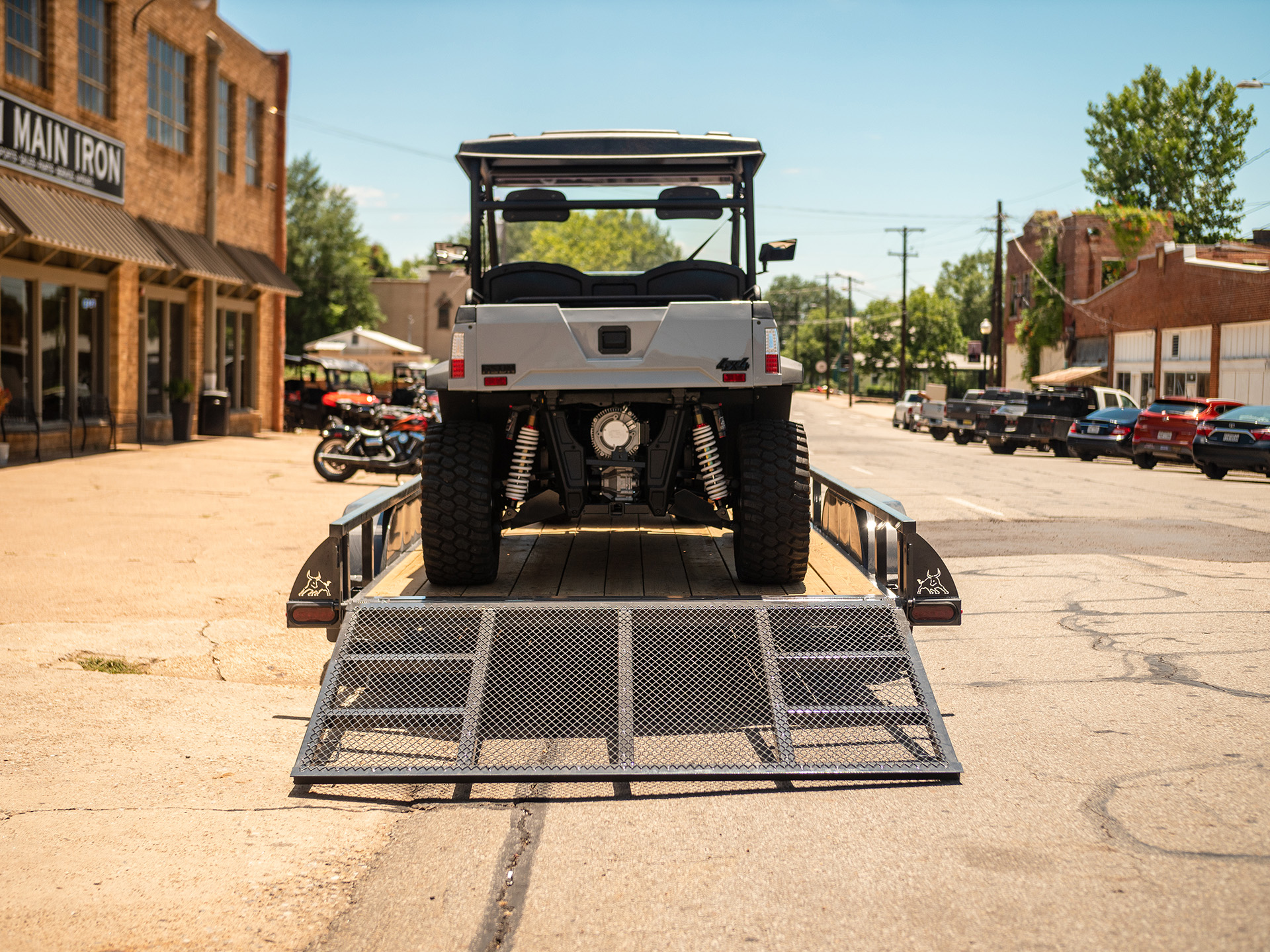
Owning a multi-purpose utility trailer is a strategic investment for those who value versatility, efficiency, and convenience in their hauling endeavors. Whether you're a homeowner, business owner, or outdoor enthusiast, the advantages of owning a multi-purpose utility trailer extend beyond mere transportation – it's about embracing a versatile tool that adapts to your ever-changing needs. Upgrade your hauling experience and unlock the potential of on-demand versatility with a multi-purpose utility trailer today.
Roll-off trailers are the workhorses of industries that rely on heavy-duty hauling. Whether it's construction projects, waste management, or recycling operations, the efficiency and reliability of these trailers are paramount. Selecting the right roll-off trailer manufacturer is a decision that holds significant weight, influencing not only the smooth flow of operations but also the safety and longevity of your equipment.
In this comprehensive guide, we will delve into the essential factors to consider when choosing a roll-off trailer manufacturer.
Roll-off trailers are versatile and heavy-duty hauling equipment used for transporting large containers and dumpsters. These trailers are essential for various industries, including construction, waste management, and recycling.
Their pivotal role in efficiently moving heavy loads makes choosing the right roll-off trailer manufacturer a crucial decision for businesses in these sectors.
The choice of a roll-off trailer manufacturer can significantly impact your business operations. High-quality trailers ensure safety, durability, and efficiency, while subpar options may lead to downtime, costly repairs, and even accidents. To make an informed decision, consider the following factors before selecting a roll-off trailer manufacturer.
Before committing to a roll-off trailer manufacturer, it's crucial to weigh several critical factors that can significantly impact your business. From the manufacturer's reputation and experience to the range of models and compliance with safety standards, these considerations will form the bedrock of your decision-making process.
Reputation is a key indicator of a manufacturer's reliability. Research customer reviews, testimonials, and industry feedback to gauge their reputation for producing top-quality roll-off trailers.
Manufacturers with years of experience, such as Norstar Company, tend to have a better understanding of the industry's demands and can offer tried-and-tested solutions. Look for manufacturers with a proven track record in producing heavy-duty roll-off trailers.
A reputable manufacturer should offer a wide range of roll-off trailer models to cater to diverse customer needs. Ensure they have options for both standard and heavy-duty applications.
The materials used in trailer construction greatly influence their durability and longevity. Inquire about the materials and welding techniques used by the manufacturer to ensure your trailer can withstand heavy loads and harsh conditions.
Safety should always be a top priority. Verify that the manufacturer complies with industry safety standards and regulations. A reliable manufacturer should provide safety features and options for their trailers.
Every business has unique requirements. Choose a manufacturer that offers customization options, allowing you to tailor the trailer to your specific needs.
While price is a crucial factor, don't compromise on quality to save a few dollars. Compare pricing among different manufacturers, but prioritize value over the lowest cost to ensure a long-lasting investment.
A strong warranty and after-sales support can provide peace of mind. Ensure the manufacturer offers a comprehensive warranty and has a responsive support team to address any issues promptly.
In an increasingly eco-conscious world, consider manufacturers that prioritize sustainability in their manufacturing processes and materials. Sustainable practices can reduce your environmental impact and align with your company's values.
Ask the manufacturer for references and case studies showcasing their products in real-world applications. This will give you insights into how their trailers perform in various industries and conditions.
These considerations collectively determine the overall performance and longevity of the roll-off trailer. By evaluating these factors thoroughly, you can make an informed decision that aligns with your business's specific requirements and ensures a reliable and durable piece of equipment.
A well-built trailer with sturdy materials and robust construction ensures it can withstand heavy loads and challenging conditions without succumbing to wear and tear.
The trailer's load capacity should align with your specific hauling needs. It's crucial to select a trailer that can handle the weight and volume of the materials or equipment you intend to transport.
A reliable braking system is imperative for safety. It ensures that the trailer can come to a controlled stop even when carrying a full load, preventing accidents and damage to the trailer and its contents.
The hydraulic system is at the heart of a roll-off trailer's functionality. It powers the mechanism for loading and unloading containers. High-quality hydraulic components ensure smooth operation and reduce the risk of breakdowns.
Regular maintenance is essential to extend the lifespan of the trailer. A design that facilitates easy access to key components for inspection and servicing will save both time and resources in the long run.
Choosing the right roll-off trailer manufacturer is a critical decision that can impact your business's efficiency and success. By considering factors such as reputation, experience, customization options, and compliance with safety standards, you can make an informed choice that ensures you receive a high-quality trailer tailored to your needs.
Don't settle for less when it comes to one of the most important assets in your business's fleet. Take the time to research and select a reliable roll-off trailer manufacturer near you. When it comes to selecting a roll-off trailer manufacturer, Norstar Company stands out as a reliable and reputable choice. Build and quote with them today!
Flatbed trailers are a game-changer in the world of freight and logistics, proving to be an indispensable resource for transporting a myriad of cargo efficiently and safely.
In this blog, we take a deep dive into the world of roll-off flatbed trailers, and its benefits. Buckle up and enjoy this enlightening journey into mastering the very backbones of industries worldwide.
Roll off flatbed trailers are transportation equipment used predominantly in the heavy haul industry.
These trailers are an invaluable asset, designed without sides, a roof, or doors, which makes them incredibly versatile for carrying large, oversized, or unconventional loads.
Their design enables easy loading and unloading of cargo from the sides, the top, or the rear, depending on the item's specific demands.
While all roll off flatbed trailers serve the essential function of hauling various types of cargo, there are specific designs based on diverse needs. Each type is designed to perform under unique circumstances and offers specific features that complement different loads.
The basic roll off flatbed trailer is the most common type. With a solid, level platform, it is designed to handle an extensive range of cargo and serves as the backbone of many transportation fleets.
As the name suggests, extendable roll off trailers can be extended to accommodate loads that are longer than the standard length. They offer flexibility and adaptability needed for transporting oversized freight.
Tilt bed trailers are particularly useful for heavy cargo. Equipped with a tilting bed, they enable easy loading and unloading of bulky items – a valuable feature when dock facilities are unavailable.
Goose-neck trailers have an indented middle section with an elevated end reminiscent of a goose's neck. This design helps distribute the weight more evenly, allowing for the transportation of heavier equipment.
Also known as a "step deck" trailer, this type features a main floor with a drop to accommodate taller equipment. The drop deck design allows for heightened cargo without surpassing legal height limitations.
As you can see, each type of roll off flatbed trailer brings advantages to different cargo and hauling situations. Understanding their unique design features helps to select the most practical and economical trailer for your transportation needs.
Roll off flatbed trailers offer a range of benefits that make them a preferred choice in the heavy haul industry. These advantages guarantee optimal performance, efficiency, and cost-effectiveness, meeting and often exceeding the expectations of transportation businesses.
These trailers are incredibly versatile and can accommodate a wide array of cargo types. Whether you're transporting standard palletized items, heavy machinery, or irregularly sized equipment, flatbed roll off trailers can handle it all.
One of the significant advantages of these trailers is the simplicity of loading and unloading cargo. Since they are open on the top and sides, loading can be performed from multiple directions — a convenience that covered trailers do not offer.
The sturdy design of roll off flatbed trailers ensures their ability to carry heavy, bulky, and oversized loads. When combined with quality materials, their structure offers exceptional durability and a long service life.
Roll off trailers allow for efficient operations, significantly decreasing loading and unloading time. This feature makes them an excellent choice for businesses that aim to optimize their productivity.
With multiple roll off trailers available, you can choose the one that best suits your freight's specific needs. You're covered no matter the cargo, from basic and extendable trailers to goose-neck and drop deck trailers.
Norstar Trailers stand out with our superior design and quality when considering a roll off flatbed trailer. Based in Brookston, Texas, our roll off flatbed trailers offer an optimal blend of durability, versatility, and convenience, making them the prime choice for numerous heavy haulers.
The benefits of using a roll off flatbed trailer are numerous, from versatility and durability to efficiency and flexibility.
And with industry-leading providers like Norstar Trailers, you can ensure you're not just getting a trailer but a reliable partner in your transportation needs. Whether hauling traditional cargo or tackling an oversized load, roll off flatbed trailers provide the ultimate solution for your shipping challenges.
In terms of efficient waste management and material transportation, roll off dump trailers stand as versatile workhorses. Seamlessly blending the functionality of a dump trailer with the adaptability of a roll-off system, these trailers have become indispensable in various industries. Whether it's construction debris, landscaping materials, or recycling operations, a roll off dump trailer is the key to streamlined hauling solutions.
This comprehensive guide navigates through the intricacies of roll off dump trailers, shedding light on their components, applications, and how to make an informed selection.
Roll off dump trailers, also known as dump roll off trailers, are versatile hauling solutions designed for efficient waste management and material transportation. These trailers combine the convenience of a dump trailer with the flexibility of a roll off system, allowing for easy loading, unloading, and disposal of various materials.
Roll off dump trailers are engineered to excel in a wide array of applications, making them an indispensable asset in various industries. Here are the common uses for these versatile trailers:
Roll off dump trailers are essential for the construction industry, facilitating the efficient removal of debris, discarded materials, and waste generated during construction projects. From discarded lumber to concrete fragments, these trailers provide a convenient and swift solution for keeping construction sites organized and safe.
When structures are demolished, the resulting debris can be massive and varied. Roll off dump trailers are adept at handling this task, allowing for the systematic removal of demolished materials such as concrete chunks, metal scraps, and other construction remnants.
Their robust design and easy loading and unloading capabilities make them an invaluable tool in demolition projects.
Landscaping projects often require the transport of diverse materials like soil, mulch, rocks, and plants. Roll off dump trailers provide a versatile solution for efficiently moving these materials from one location to another. Their easy-to-use dumping mechanism ensures precise placement of landscaping elements, allowing for precise and aesthetically pleasing designs.
In the construction and landscaping industries, the precise delivery of aggregates and gravel is crucial. Roll off dump trailers excel in this task, offering a reliable means of transporting bulk materials to job sites. Their high load capacity and stability make them well-suited for the transportation of heavy, granular materials.
Roll off dump trailers play a pivotal role in recycling operations by facilitating the transport of recyclable materials. Whether it's collecting paper, cardboard, metal, or other recyclables, these trailers provide an efficient means of gathering and transporting materials to recycling facilities. Their detachable containers make unloading a breeze, streamlining the recycling process.
The components of a roll off dump trailer are the building blocks that ensure its functionality and durability. From the robust frame providing structural integrity to the hydraulic hoist system enabling efficient dumping, understanding these vital elements is key to maximizing the trailer's utility.
The robust frame is the backbone of a roll off dump trailer, providing stability and support for heavy loads. High-quality steel frames ensure durability and longevity, even under demanding conditions.
The hoist system is responsible for the smooth tilting and dumping of the trailer's bed. Hydraulic-powered hoists offer precise control and reliable performance, making them a popular choice for dump roll off trailers.
The detachable container, commonly made of steel, is the cargo-holding component of the trailer. It can be easily loaded onto the trailer and transported to the desired location for dumping.
Selecting the right roll off dump trailer is a pivotal decision, influencing the efficiency and effectiveness of your hauling operations. This guide will illuminate the considerations essential for making an informed choice and highlight additional features that can further enhance the trailer's performance.
When it comes to acquiring a roll off dump trailer, the choice of manufacturer or dealer is paramount. This section outlines the crucial steps to follow in order to select a reputable manufacturer or dealer, ensuring that you invest in a high-quality and reliable hauling solution.
Begin by conducting thorough research online and seek recommendations from industry peers or forums. Look for dealers with a proven track record of providing high-quality roll off dump trailers.
Verify the dealer's credentials, including certifications, licenses, and affiliations with industry associations. This indicates a commitment to quality and adherence to industry standards.
Read customer reviews and testimonials to gain insights into the experiences of previous buyers. Positive feedback and a high satisfaction rate are strong indicators of a reputable dealer.
Examine the range of roll off dump trailers offered by the dealer. A diverse selection indicates expertise and a comprehensive understanding of customer needs.
Look for trailers constructed from high-grade materials like steel for durability and longevity. Pay attention to the quality of welds, reinforcements, and overall craftsmanship.
Inquire about the warranty offered on the trailers and the availability of after-sales support. A dealer that provides strong warranty coverage and support services demonstrates confidence in the products they offer.
Determine if the dealer offers customization options to tailor the trailer to your specific requirements. This flexibility is crucial for meeting unique hauling needs.
As a trusted dealer, Norstar Company is known for offering a range of high-quality roll off dump trailers. With a reputation for reliability and performance, Norstar ensures that customers receive top-notch products that meet their hauling demands efficiently. Explore their inventory to find the ideal roll off dump trailer for your specific needs.
In conclusion, investing in a roll off dump trailer can greatly enhance your material handling capabilities. By considering the factors outlined in this guide and choosing a reputable manufacturer or dealer, you can ensure a wise and efficient purchase.
Norstar Company is a renowned industry leader in providing top-tier roll off dump trailers, known for their exceptional quality and durability. Explore their best roll off dump trailers for sale and revolutionize your hauling operations today! Build and quote here.
When it comes to the stability and safety of your trailer, understanding the role of trailer rear support jacks is paramount.
This comprehensive guide delves into the intricacies of these essential components, shedding light on their functions, types, and why they play a crucial role in ensuring a secure and steady foundation for your trailer.
Whether you're a seasoned traveler or new to the world of trailers, grasp the importance of these support jacks as we uncover the mechanics that contribute to a smoother and safer towing experience.
Trailer rear support jacks are integral components designed to stabilize and support the rear end of a trailer, ensuring enhanced safety and convenience during various activities such as camping, loading, or unloading. These jacks are pivotal in preventing unwanted swaying, tilting, or movement, providing a secure foundation for the trailer.
Explore the diverse types of rear trailer support jacks, each offering unique features to cater to different preferences and needs.
Understanding the diverse applications of various utility trailer rear support jacks is crucial for selecting the type that best suits your specific needs and scenarios.
Ensuring the stability and safety of your trailer is paramount, making rear support jacks indispensable components in the towing and stationary scenarios. Explore the key reasons these jacks are necessary to maintain a secure and balanced trailer foundation.
Rear support jacks are pivotal in stabilizing trailers, preventing unwanted movements, and enhancing overall safety. By providing a firm foundation, these jacks contribute to a more secure environment during various activities, such as camping, loading, or unloading.
Effective load distribution is crucial for trailers, especially during transportation. Rear support jacks assist in managing the weight distribution, ensuring that the trailer is balanced and that weight is appropriately distributed across all wheels for safer towing.
Trailers can experience swaying or rocking motions, particularly in windy or unevenly loaded conditions. Rear support jacks mitigate these issues by minimizing lateral movements, promoting a smoother and more controlled towing experience.
Selecting the appropriate trailer rear jacks ensures stability and safety during your trailer activities. Consider these factors to make an informed decision.
Proper installation and usage of rear support jacks are essential for maximizing their effectiveness and ensuring a secure trailer foundation.
Selecting the right rear support jack type involves weighing the pros and cons to match your specific trailer needs.
Addressing common issues with rear support jacks is essential for maintaining functionality and ensuring a secure trailer foundation.
Check for any obstructions or debris hindering the jack's movement, and ensure the trailer is on level ground before operation.
Inspect for hydraulic fluid leaks and ensure that the electrical components in electric jacks are functioning correctly.
Lubricate moving parts to reduce friction and inspect for any damaged components contributing to noise.
Troubleshoot: Verify that the jacks are properly installed and on stable ground, and consider using additional stabilization methods such as wheel chocks.
Investing in the right tool, whether it's enclosed trailer stabilizer jacks or aluminum trailer stabilizer jacks, significantly contributes to your trailer's stability, safety, and overall functionality.
Considering the pros and cons of manual, electric, and hydraulic jacks, aligning your choice with the specific needs of your trailer and towing activities is essential.
For premium trailers crafted for durability and efficiency, consider Norstar Company.
Whether you seek reliable jacks for your trailers, need to find a dealer, or need assistance with concerns, contact Norstar Company for top-notch solutions and expert guidance.
Elevate your trailer experience with the assurance of quality and performance from Norstar Company. Contact us today!
Equipment trailers are a fundamental tool in industries like construction and agriculture, enabling the transportation of heavy machinery and equipment.
In this guide, we'll delve into the world of equipment trailers, providing essential insights on types, costs, safety considerations, and maintenance. Whether you're a seasoned professional or new to heavy-duty hauling, understanding equipment trailers is key to optimizing your transportation capabilities. Let's explore this critical aspect of various industries in-depth.
An equipment trailer is a specialized type of trailer designed to transport heavy equipment and machinery. These trailers are built to handle significant loads and are indispensable for industries like construction, agriculture, and transportation.
Equipment trailers come in various types, each tailored to specific needs.
Here are the primary varieties:
Flatbed trailers are versatile and open, making them ideal for transporting oversized or irregularly shaped equipment. They provide easy loading and unloading options and are often used in the construction and agricultural sectors.
Enclosed trailers offer protection from the elements and added security for your equipment. These are commonly used in industries where sensitive or valuable cargo needs safeguarding, such as the automotive industry.
Utility trailers are multi-purpose and can carry a range of equipment. They are known for their flexibility and are popular among small businesses and individual operators.
Understanding the components of an equipment trailer is crucial when making a choice.
Here's what you need to know:
The frame and construction materials of a trailer determine its durability and weight capacity. Steel and aluminum are commonly used materials, each with its advantages.
Axles, wheels, and suspension systems affect the trailer's stability and load-bearing capacity. Tandem axles are a popular choice for heavier loads.
Choosing the right hitch and coupling system ensures that your trailer securely connects to your towing vehicle. Different hitches are suitable for various applications.
The cost of an equipment trailer can vary significantly depending on several factors, including its size, type, and features. Understanding these cost factors is crucial when you're in the market for one. Let's break down the costs of different sizes of equipment trailers.
When considering an 18 ft equipment trailer, it's essential to recognize that the average cost can fluctuate based on various factors. These factors include the materials used in its construction, the features it offers, and even regional market trends.
Typically, you can expect to pay anywhere from $3,000 to $6,000 for an 18 ft equipment trailer. Keep in mind that prices may vary, so it's advisable to obtain quotes from multiple sources to find the best deal.
A 16 ft equipment trailer is a popular choice for many hauling needs. The price range for a 16 ft trailer can vary depending on factors such as the trailer's construction materials and additional features. On average, you can anticipate a price range of $2,500 to $5,000 for a 16 ft equipment trailer. However, prices can differ based on your location and specific trailer requirements.
For those in need of more space, a 20 ft equipment trailer may be the right choice. These trailers offer increased capacity but also come with a price tag that varies based on factors such as materials, features, and geographical location. Typically, you can budget for a price range of $4,000 to $8,000 for a 20 ft equipment trailer. As always, obtaining quotes and considering your specific needs will help you make an informed decision.
Choosing the perfect equipment trailer is a decision that should be made with careful consideration of various factors.
To ensure you make the right choice, you need to evaluate the following:
The type, size, and weight of the cargo you'll be transporting are crucial factors. Different trailers are designed for specific types of equipment or goods, so matching your trailer to your cargo is essential for safe and efficient transportation.
Your towing vehicle's capacity must align with the trailer's weight and payload. Exceeding the towing capacity can lead to safety hazards, so always ensure compatibility.
Consider additional features such as ramps, tie-down points, and storage options. These features can greatly enhance the usability and convenience of your equipment trailer.
Think about the terrain and weather conditions you'll encounter during your hauling tasks. Some trailers are better suited for off-road use or adverse weather conditions than others.
Determine your budget for the trailer, including any necessary accessories and maintenance costs. Balance your budget with your specific requirements.
Safety is of utmost importance when using equipment trailers.
Here are some essential safety measures and regulations to keep in mind:
Ensure that your trailer is securely hitched to your towing vehicle using the appropriate hitch and coupling system. Follow manufacturer guidelines for hitching and double-check for a secure connection.
Properly distribute the weight of your cargo on the trailer to maintain stability. Overloading the front or rear can lead to swaying or loss of control.
Verify that your trailer has functional brakes and that they are properly adjusted. Many jurisdictions have regulations regarding trailer brakes, so be aware of local laws.
Ensure all trailer lights and signals are operational. This includes brake lights, turn signals, and reflectors, which are critical for road safety.
Use appropriate tie-downs and straps to secure your cargo to the trailer. Loose or unsecured loads can be hazardous to you and other road users.
Maintain a safe and legal speed when towing a trailer. Be aware of the increased stopping distance required and practice safe driving techniques, especially when navigating turns and hills.
Familiarize yourself with local, state, and federal regulations regarding equipment trailers. These may include weight limits, licensing requirements, and safety inspections.
Properly loading and securing your equipment on a trailer is vital for safe transportation.
Here are expert tips on this critical aspect of trailer operation:
Equipment trailers, like any other valuable tool, require regular maintenance to ensure they remain in top condition.
Let's delve into the key aspects of maintaining and caring for your equipment trailer.
Routine inspection and proper lubrication are essential for the longevity of your equipment trailer:
Recognizing common signs of wear and tear on trailers is essential for timely maintenance:
Proper trailer storage and care contribute significantly to its longevity:
Determining whether to purchase or rent an equipment trailer is a decision influenced by your unique requirements and situation. Both options have their advantages and considerations that deserve exploration.
Ultimately, the choice between owning and renting an equipment trailer hinges on your individual needs, budget, and the frequency of use. Carefully weighing these advantages and considerations will help you make an informed decision.
Equipment trailers are poised to become even more versatile and technologically advanced. The integration of smart technologies, such as GPS tracking and telematics, will enhance trailer monitoring and security. These innovations not only improve cargo tracking but also contribute to overall fleet efficiency. Additionally, advancements in materials and design are making trailers lighter, more fuel-efficient, and environmentally friendly.
Sustainability is also becoming a central theme in the equipment trailer industry. Manufacturers are increasingly adopting eco-friendly materials and production processes to reduce their carbon footprint. This shift aligns with broader industry trends focused on environmental responsibility.
The automation of certain trailer functions is on the horizon. Automated loading and unloading systems, for example, can significantly reduce labor costs and improve efficiency. These innovations will shape the future of equipment trailers, making them more efficient, environmentally friendly, and user-friendly.
At Norstar Company, we understand the critical role equipment trailers play in various industries. Whether you're in construction, agriculture, or any field requiring heavy cargo transport, our range of equipment trailers is designed to meet your diverse needs with reliability and top-notch performance.
Explore our comprehensive lineup of equipment trailers at Norstar Company. Use our Dealer Locator to find a dealership near you by visiting our Find a Dealer page, and feel free to reach out to us for inquiries or to request a personalized quote through our Contact Page. Join us as we shape the future of equipment transportation, and experience firsthand the Norstar difference.
Remember, when it comes to efficient equipment transportation, your journey starts with Norstar Company, where quality, reliability, and innovation converge to redefine industry standards. Find a dealer today and discover how Norstar can meet your equipment trailer needs.
Tilt trailers, seemingly simple in their design, hide a world of intriguing engineering and surprisingly versatile applications. Whether you are an industry professional seeking insights, an equipment enthusiast wanting to explore, or perhaps simply a curious reader, join us as we delve into the intricate workings and applications of these mechanical marvels.What are tilt trailers?
Tilt trailers are a revolutionary towing solution designed to simplify the transportation of heavy equipment, vehicles, and materials. These versatile trailers feature a unique tilting deck, allowing for easy and safe loading and unloading without the need for ramps.
Tilt trailers operate by utilizing a hydraulic system or gravity-assisted mechanism, causing the bed to tilt at an angle for smooth and efficient loading and unloading. The tilting action is triggered either manually or automatically for a hands-free experience, making it significantly easier to transport goods across various terrains.
Let's uncover the benefits of using tilt trailers!
The principal advantage of a tilt trailer is the ease of loading and unloading. Its tilting deck eliminates the need for ramps, allowing users to drive or roll their cargo onto the trailer without difficulty.
Tilt trailers are incredibly versatile, accommodating a wide variety of cargo types, including heavy equipment, vehicles, and bulk materials. The adjustable deck enables users to transport goods of varying sizes and weights, making tilt trailers a dependable solution for diverse industries.
Ramps can present certain safety risks during operation, including slipping or tipping over. The use of tilt trailers reduces these risks, providing workers with a safer and more controlled environment.
The tilt mechanism speeds up the loading and unloading process, allowing workers to complete tasks more quickly and efficiently. The tilt trailer's simplified design streamlines on-site logistics and saves valuable time.
Tilt trailers require minimal maintenance due to their self-contained hydraulic systems or gravity-assisted design, keeping costs low and prolonging their service life.
The ability to adjust the positioning of cargo on a tilt trailer ensures better balance and weight distribution, reducing the strain on both the towing vehicle and the trailer itself.
Now, let's jump into the diverse range of applications and uses of tilt trailers in various industries, illustrating their pivotal role in modern transport and logistics.
Tilt trailers provide a practical and efficient solution for transporting heavy construction equipment such as excavators, pavers, and bulldozers.
Auto transport companies rely on tilt trailers to load and unload vehicles in a safe and controlled manner, minimizing the risk of damage during transit.
Farmers and landscapers use tilt trailers to transport everything from tractors and lawnmowers to bulk materials such as gravel and soil.
Manufacturers benefit from the tilt trailer's adjustable deck, enabling them to transport large and heavy machinery with ease.
Recreational enthusiasts often rely on tilt trailers to transport boats, ATVs, snowmobiles, and other recreational equipment.
Waste management companies utilize tilt trailers to transport large waste containers and dumpsters as part of their collection and disposal services.
Tilt trailers are an invaluable asset for special events, making setup and breakdown quick and easy by transporting stages, platforms, and other equipment required for event production.
Selecting the ideal tilt trailer can seem daunting, but understanding the unique features of each model can empower you to make an informed decision. Here's a snapshot of some standout options from Norstar Trailers:
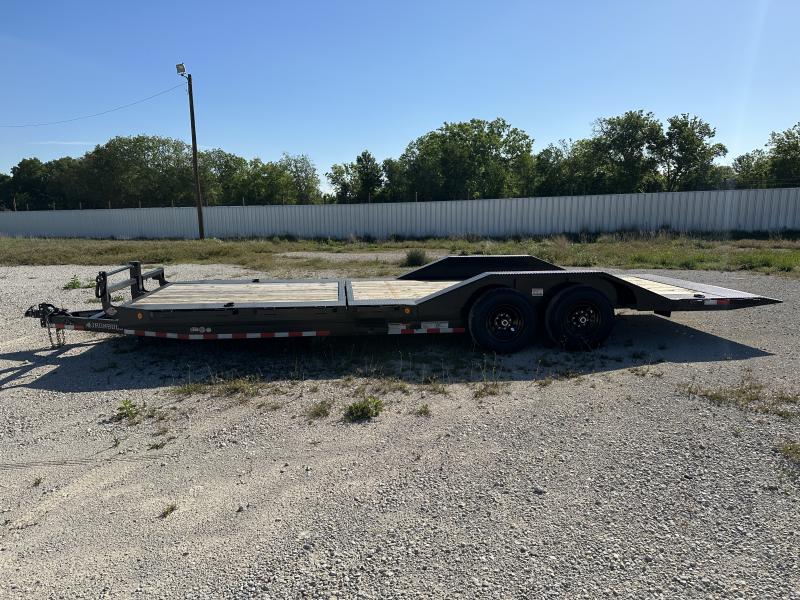

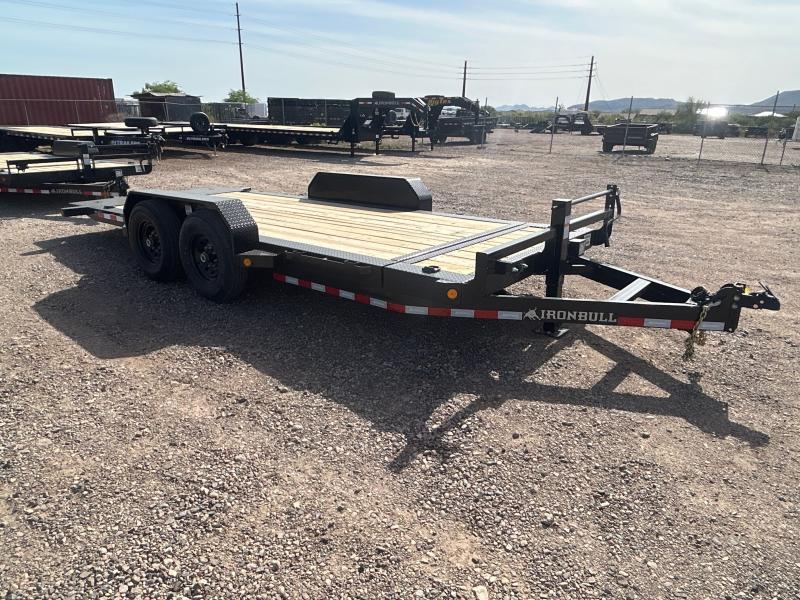
Norstar Trailers leverages high-quality manufacturing practices and innovative design features to deliver reliable tilt trailer solutions for individual and commercial needs. With a presence spread across various locations, they're ready to deliver tailored services to meet your specific requirements.
Selecting the right tilt trailer significantly impacts the efficiency and safety of your operations. With Norstar Trailers, you can trust that you're investing in top-tier quality and durable design. Start your journey with Norstar Trailers today, and let us drive your operations towards success.
In the world of heavy-duty vehicles, one innovation stands out for its versatility and practicality - the skirted truck bed. This ingenious design not only enhances the aesthetic appeal of trucks but also offers a range of functional advantages.
In this guide, we will delve into the realm of skirted truck beds, exploring their types, benefits, applications, and how to choose the ideal one for your specific requirements. We will also highlight the industry-leading expertise of Norstar, a company at the forefront of custom skirted flatbed solutions.
Skirted truck beds, also known as skirted flatbeds, are specialized flatbeds designed with a unique perimeter enclosure. This enclosure, or "skirt," extends down from the bed, providing additional storage and protection for cargo. This innovative design revolutionizes the functionality and appearance of trucks, making them indispensable in various industries.
When it comes to enhancing the functionality and versatility of trucks, skirted truck beds are a game-changer. These specialized flatbeds with their unique perimeter enclosure cater to a range of industry-specific needs, from secure cargo transport to efficient dumping of materials.
The flatbed skirted truck bed is a popular choice for industries that require a versatile hauling solution. With its enclosed perimeter, it provides a secure space for transporting goods, protecting them from external elements and potential theft.
Utility skirted truck beds are tailored for heavy-duty tasks. They offer an array of compartments and storage options, making them ideal for service-oriented industries like construction, plumbing, and electrical work.
These specialized skirted truck beds are engineered to facilitate efficient dumping of materials. Whether it's gravel, dirt, or debris, dump skirted beds provide a seamless process, saving time and effort on the job site.
Beyond the standard options, skirted truck beds can be customized to meet specific industry requirements. Whether it's a service-oriented application or a unique hauling need, specialty skirted beds can be tailored to the task at hand.
When it comes to custom skirted flatbeds and a wide range of options, Norstar Company is the name you can trust. Their commitment to innovation and tailored solutions sets them apart in the industry. Visit Norstar today for top-tier products that will elevate your trucking experience.
Skirted truck beds aren't just a cosmetic upgrade; they're a transformative addition to any heavy-duty vehicle. Beyond their sleek appearance, these specialized flatbeds offer a host of practical advantages, from heightened cargo security to substantial gains in fuel efficiency.
The enclosed perimeter of skirted truck beds provides an added layer of security, safeguarding valuable cargo from external elements and potential theft. This feature is invaluable for industries dealing with high-value goods or equipment.
The reinforced structure of skirted flatbeds allows for increased load capacity, enabling the transportation of heavier loads. Additionally, the skirted design contributes to enhanced stability, reducing the risk of shifting during transit.
The aerodynamic advantage of skirted truck beds contributes to improved fuel efficiency. By minimizing wind resistance, trucks equipped with skirted beds consume less fuel, translating into cost savings for businesses.
Aside from their functional benefits, skirted truck beds elevate the visual appeal of vehicles. The sleek, streamlined design not only looks impressive but also conveys a sense of professionalism, making a positive impression on clients and partners.
The demand for versatile and reliable transportation solutions is paramount. Skirted truck beds have emerged as indispensable assets in a diverse array of industries, proving their mettle in applications ranging from heavy-duty construction work to the meticulous tasks of landscaping and greenkeeping.
Skirted truck beds find their niche in the construction and contracting industry, where the need for robust transportation solutions is critical. These specialized flatbeds excel in hauling heavy equipment, building materials, and machinery to and from job sites.
With their enclosed perimeter, they provide an added layer of security for valuable construction materials, ensuring that projects proceed smoothly and efficiently.
For professionals in landscaping and greenkeeping, the importance of precise and efficient transportation cannot be overstated. Skirted truck beds prove invaluable in this industry, allowing for the secure transport of a wide range of landscaping materials, including soil, mulch, plants, and tools.
The enclosed design ensures that delicate flora and landscaping equipment are protected from the elements, guaranteeing that the end result is a meticulously maintained and beautiful outdoor space.
In the agriculture and farming sector, the demands on transportation are diverse and demanding. Skirted truck beds are well-suited for this industry, facilitating the movement of livestock, feed, and equipment.
Additionally, their secure storage capabilities make them ideal for transporting delicate crops or harvested produce. The enclosed perimeter ensures that nothing is lost in transit, contributing to the overall efficiency and productivity of the farming operation.
For utility service providers such as plumbers, electricians, and other tradespeople, having reliable and secure transportation is essential. Skirted truck beds offer the ideal solution for carrying an assortment of tools, equipment, and materials to job sites.
The added benefit of compartments and storage options allows for organized and efficient transport, ensuring that every task is completed with precision and professionalism.
In the fast-paced world of transportation and logistics, efficiency and reliability are paramount. Skirted truck beds play a crucial role in this industry, providing a secure and streamlined solution for transporting goods. From pallets to oversized cargo, these specialized flatbeds offer enhanced load capacity and stability, reducing the risk of damage during transit. This leads to smoother logistics operations and, ultimately, a satisfied client base.
Ultimately, the process of selecting the right skirted truck bed involves a meticulous evaluation of your industry's demands, loa
d-bearing requirements, customization options, and compatibility with your existing truck. By taking these factors into account, you can make an informed decision that optimizes efficiency and productivity within your operations.
When selecting a skirted truck bed, it's essential to first assess the specific demands of your industry and application. Different industries have distinct requirements, whether it's secure cargo transport in construction or efficient material dumping in landscaping.
Understanding these needs will guide you toward the type of skirted bed that will best serve your purposes, ensuring that it complements your workflow seamlessly.
Load capacity and storage are critical considerations when choosing a skirted truck bed. Knowing the weight and size of the items you typically transport will help determine the necessary load-bearing capacity of the bed.
Moreover, consider the storage options available, as some industries may require specialized compartments or additional space for specific equipment or materials. By accurately assessing these factors, you can ensure that the chosen bed will handle your workload efficiently.
The ability to customize a skirted truck bed to suit your unique requirements is a significant advantage. Consider any specific features or modifications that would enhance the bed's functionality for your industry.
This could include additional compartments, specialized tie-down points, or even custom storage solutions. Choosing a bed that offers customization options ensures that it's tailored precisely to your operational needs.
Not all skirted truck beds are universally compatible with every truck model. It's crucial to verify that the bed you choose is designed to fit your specific truck make and model. This ensures a seamless integration and minimizes any potential issues with installation or compatibility. Double-checking this aspect will save you time, money, and potential headaches down the line.
Choosing the right skirted truck bed also involves identifying a reputable dealer like Norstar Company. Look for dealers with a track record of providing high-quality products and excellent customer service. They should offer a range of options, provide expert advice, and have a solid reputation in the industry.
A reliable dealer will ensure that you not only get the right skirted bed for your needs but also receive top-notch support throughout the purchasing process.
The world of transportation and logistics has been forever transformed by the ingenious design of skirted truck beds. These specialized flatbeds not only enhance the aesthetic appeal of trucks but also provide a host of practical advantages, from heightened cargo security to improved fuel efficiency. By understanding the diverse types, benefits, and applications of skirted truck beds, businesses across various industries can make informed decisions to elevate their operations.
When it comes to top-tier skirted truck beds, Norstar Company leads the way. Their dedication to crafting custom solutions tailored to your specific needs sets them apart in the industry. By choosing a Norstar skirted truck bed, you're not just investing in a product; you're investing in enhanced efficiency, security, and professionalism for your business. Consult today!
Moving can be a daunting task, but choosing the right trailer can make the process smoother. Whether you're opting for one-way moving trailers, renting a trailer for moving or considering moving with a trailer, this guide will provide valuable insights to ensure a hassle-free relocation.
Selecting the appropriate type of trailer is a fundamental step in ensuring a successful and stress-free move. From enclosed trailers providing protection against the elements to versatile utility trailers, this guide explores the various types available, offering insights to help you make an informed choice tailored to your specific moving needs.
Enclosed trailers offer protection from the elements and added security for your belongings during transit. Ideal for long-distance moves, they shield items from adverse weather conditions.
Utility trailers are versatile and suitable for various moving needs. They provide an open platform for easy loading and unloading, making them ideal for local moves or transporting bulky items.
Specialty trailers cater to specific items like motorcycles, cars, or unique belongings. Understanding your needs will help you choose the trailer that best suits your moving requirements.
Choosing the right size of trailer is a pivotal decision in the moving process, influencing both the safety of your belongings and the overall efficiency of your relocation. Let’s delve into the key considerations and practical tips to help you accurately determine the ideal trailer size for your move, whether it's a local transition or a long-distance journey.
Take inventory of your possessions to estimate the trailer size needed. This ensures that everything fits comfortably and securely during transportation.
Factor in the size of your furniture and appliances. Choose a trailer that accommodates these larger items without compromising safety.
Efficiently plan the number of trips needed to transport all your belongings. This helps streamline the moving process and minimizes unnecessary back-and-forth.
As you prepare for a move with a trailer, selecting the right equipment and accessories is paramount to ensure a secure and well-organized transportation of your belongings. From tie-downs and loading ramps to safety gear, let’s discuss the essential tools needed to enhance the efficiency and safety of your trailer move.
Secure your belongings with high-quality tie-downs and straps to prevent shifting during transit.
Protect furniture from scratches and damage by using furniture pads and covers.
Facilitate the loading and unloading process with ramps and dollies, making it easier to move heavy items.
Enhance visibility and safety by incorporating reflectors and warning signs on your trailer, especially during night-time travel.
Loading a trailer efficiently is a crucial aspect of a smooth and successful move. Whether you're embarking on a local relocation or a cross-country journey, strategic loading not only ensures the safety of your belongings but also maximizes space utilization for a more streamlined and stress-free moving experience.
Place frequently accessed items towards the front of the trailer for easy retrieval.
Efficiently utilize space by stacking items strategically and making use of available vertical space.
Prevent damage to fragile items by securely wrapping and cushioning them within the trailer.
Maintain towing stability by evenly distributing the weight of your belongings throughout the trailer.
Embarking on a move with a trailer involves more than just packing boxes and hitting the road. It requires a keen awareness of legal and safety considerations to ensure a journey that's not only efficient but also in strict adherence to regulations.
Abide by weight limits and regulations to ensure a safe and legal move.
Thoroughly secure your load to prevent accidents and ensure the safety of yourself and others on the road.
Follow speed limits and traffic rules to guarantee a smooth and incident-free journey.
Driving and maneuvering a trailer during a move requires a unique set of skills and considerations to ensure both your safety and the safety of others on the road.
Here's a comprehensive guide on how to safely navigate your trailer during the moving process:
Familiarize yourself with the dimensions and weight of the trailer. Understanding the trailer's characteristics will help you anticipate how it behaves on the road. Be aware of the trailer's turning radius, as it is often different from your vehicle's.
If you're not accustomed to driving with a trailer, practice in an open, empty space before hitting the road. This will help you get a feel for how the trailer responds to steering and braking.
Drive more cautiously than you would without a trailer. Avoid sudden accelerations, sharp turns, and abrupt stops. Increase your following distance to allow for longer stopping distances.
Adhere to speed limits, and consider driving slightly below the posted speed when towing a trailer. High speeds can increase the risk of accidents and make it more challenging to control the trailer.
Approach turns with caution and reduce your speed before entering. Use your turn signals well in advance to communicate your intentions to other drivers.
Trailer sway can occur, especially at higher speeds. If you feel the trailer swaying, ease off the gas and avoid making sudden steering movements. Consider investing in a sway control system to enhance stability.
Choose routes with wider lanes and minimal sharp turns. Be aware of low clearances, bridges, and tunnels that may pose a challenge for your trailer.
Brake earlier than you would without a trailer to allow for the increased weight and stopping distance. Use the trailer brakes if your setup includes them.
Reversing with a trailer can be challenging. Have someone guide you if possible. Practice backing up in an open area to improve your skills.
Adjust your mirrors to provide a clear view of the trailer. Use extended mirrors if necessary to enhance visibility.
Exercise extreme caution in adverse weather conditions. Rain, snow, and wind can significantly impact the handling of a trailer. Adjust your speed and driving style accordingly.
Before each trip, inspect the trailer hitch, lights, tires, and brakes. Ensure that the trailer is properly connected to the towing vehicle.
If you're uncertain about driving with a trailer, consider taking a trailer-driving course. Professional instruction can provide valuable insights and boost your confidence. Find a dealer today.
Navigating the intricacies of moving with a trailer can be a daunting task, but steering clear of common mistakes is key to a successful relocation. Let’s shed light on pitfalls to avoid, from overloading the trailer to neglecting essential maintenance, ensuring your journey is smooth, efficient, and free from avoidable setbacks.
1. Overloading the Trailer: Resist the temptation to overload your trailer; adhere to weight limits for safe transport.
2. Inadequate Securing of Items: Ensure all items are properly secured to prevent damage and accidents during transit.
3. Failing to Plan for Inclement Weather: Prepare for unexpected weather conditions by checking forecasts and securing your belongings accordingly.
4. Ignoring Towing and Trailer Maintenance Guidelines: Regularly maintain your trailer and adhere to towing guidelines to prevent breakdowns and ensure a reliable move.
Undertaking a trailer move demands meticulous planning and execution for a seamless transition. Here are some practical tips aimed at ensuring your trailer move is not only efficient but also minimizes stress and complications, making the entire process more manageable and enjoyable.
Unloading and returning the trailer after completing your move is a crucial final step that requires careful attention to detail.
Here's a comprehensive guide on how to efficiently carry out this process:
Begin by parking the trailer in a safe and accessible location at your new destination. Open the trailer door and start unloading items strategically. It's advisable to have a plan, unloading heavier items first and placing them in designated areas to facilitate organization.
If you utilized loading ramps and dollies during the loading phase, make use of them again during unloading. This ensures a smoother and safer process, especially for heavy or bulky items. Furniture pads and covers should be removed carefully to prevent any damage to your belongings.
If you have a moving team, coordinate with them during unloading. Effective communication is key to ensuring everyone is on the same page, preventing accidents and speeding up the process. If you hired professional movers or enlisted the help of friends and family, express gratitude for their assistance.
As you unload, inspect your belongings for any damage that may have occurred during transit. Document any issues promptly, especially if you plan to file an insurance claim.
Once the trailer is empty, it's time to return it to the rental company or facility. Ensure that all your belongings have been removed, and the trailer is in the same condition as when you picked it up. Clean the trailer if required by the rental agreement to avoid any additional fees.
Abide by the rental company's return procedures. This may include signing off on the return condition, returning any rented equipment, and settling any outstanding payments. Keep a copy of the return documentation for your records.
If there are locks or security measures in place, make sure to secure the trailer properly before leaving the rental facility. If applicable, return any keys or access cards associated with the trailer rental.
Successfully moving with a trailer involves careful planning, thoughtful execution, and adherence to safety and legal considerations. By selecting the right trailer type, determining the appropriate size, utilizing essential equipment, and avoiding common mistakes, you set the foundation for a seamless relocation. Efficiently loading, safely driving, and strategically unloading the trailer further contribute to a stress-free moving experience.
As you embark on your moving journey, trust Norstar Company for reliable trailers and expert advice. With the right trailer, meticulous planning, and adherence to safety guidelines, your move can be a smooth and successful experience. Choose Norstar Company for a hassle-free relocation. Contact them today!
Whether you're moving, hauling equipment, or transporting goods, knowing how to properly load a trailer is crucial for safety and efficiency. A well-loaded trailer ensures stability on the road, prevents damage to your cargo, and protects you and other drivers. With Norstar Trailers' expertise, let's navigate the intricacies of loading trailers properly for a smooth journey ahead.
Loading a trailer correctly goes far beyond simple organization. It's a critical practice that affects the safety and handling of both the trailer and the towing vehicle. When cargo is not properly placed and secured, it can cause the trailer to sway back and forth, making it difficult to control, especially at higher speeds or in windy conditions. Such swaying can put other road users at risk and increase the likelihood of an accident.
Improper loading can also result in uneven tire wear or, worse, tire blowouts, which are dangerous and can lead to loss of control. In some cases, incorrect weight distribution can lead to the trailer detaching from the towing vehicle, a situation that poses a significant risk to everyone on the road.
When the weight is not appropriately distributed on a trailer, it can affect the towing vehicle's brakes, making it harder to stop and increasing the stopping distance. It also makes the vehicle less stable when turning, which could lead to the trailer tipping over or veering into other lanes.
While proper loading is crucial for trailer safety, it's equally important to consider other safety measures when transporting certain types of cargo. For instance, when hauling potentially hazardous materials or working in confined spaces like enclosed trailers, using a multi-gas detector can help ensure the safety of workers by monitoring air quality. These devices can detect multiple types of gases simultaneously, providing an extra layer of protection during loading and unloading operations.
Proper loading is a must, no matter what type of trailer you’re using. Here’s a breakdown of various trailers and why they need to be loaded with care:
Before loading your trailer, consider the towing vehicle's capabilities and the nature of your cargo. Each factor plays a pivotal role in how you approach loading your trailer.
To start, you've got to know your vehicle. The kind of car or truck you're driving sets the ground rules for loading your trailer.
Your vehicle's towing capacity is its maximum pulling power, determined by the manufacturer based on the engine size, brakes, transmission, and other factors. It's the ceiling of what you can safely tow, and it's important to respect this limit to avoid putting too much strain on your vehicle. Overloading can lead to a multitude of problems, like brake failure or even losing control while driving.
The hitch is the crucial connection between your vehicle and the trailer. There are several types of hitches, from the common ball hitch for light loads to more complex systems like weight-distribution hitches for heavier towing. Selecting the appropriate hitch is essential for creating a stable and secure connection, preventing the trailer from detaching, and ensuring the safety of your towing setup.
Once you've matched your vehicle to the trailer, it's time to consider the cargo itself. The way you load can affect your drive just as much as a mechanical issue.
Bulky, uneven items need a strategic approach. You want to place them in a way that balances the trailer. Ideally, you'll position these items so that they don't stick out awkwardly, cause drag, or make the trailer tip. The best spot is low and centered between the wheels, or just slightly ahead, to maintain a balanced weight distribution. This helps keep the trailer stable, reducing sway and making it easier to handle the vehicle.
It's not just about where things go, but it's also how they stay there. Unsecured cargo is a hazard—it can shift, causing imbalance, or even fall out on the road. Straps, ropes, and cargo nets are your friends here. They keep everything in its place, so turns and stops don't become dangerous. Plus, securing your load protects it from damage, so when you arrive, everything is just as you packed it.
Achieving proper weight distribution is critical when loading a trailer, as it impacts the stability and handling of your towing setup. Optimal distribution helps prevent trailer sway, ensuring that the tow vehicle maintains good traction and making your driving experience safer and more comfortable.
Calculating the center of gravity is fundamental in this process. The goal is to place the heaviest part of your cargo slightly forward of the trailer's axle(s). By doing so, you're ensuring that the tongue weight—the weight that presses down on the hitch—is appropriate, typically between 10-15% of the total trailer weight. This is especially important for maintaining control of the tow vehicle. If the center of gravity is too far back, it can lift the rear of the tow vehicle, reducing rear tire traction and potentially causing loss of control.
To assist with this, utilizing a trailer loading checklist can be invaluable. This checklist serves as a reminder to:
Follow the manufacturer’s guidelines for your specific trailer type, which will advise on the ideal weight distribution. For most trailers, the recommended guideline is to aim for that 60/40 split with the heavier load towards the front.
Before hitting the road, perform a series of checks to confirm that the load is balanced from side to side and secured in place to prevent any movement. Check the trailer's stability by pushing down on each corner. It should feel firm and not wobble. Ensure that the trailer doesn't tilt to one side, as this could indicate uneven weight distribution.
Remember, the time invested in determining the proper weight distribution before you travel is invaluable for your safety and can significantly reduce the risk of accidents or damage to your cargo.
Loading a trailer is a methodical process, and properly loading a trailer is essential for safe and efficient transport.
Here’s a detailed guide to help you ensure that your trailer is loaded correctly:
Loading a trailer may seem straightforward, but common pitfalls can lead to trouble on the road. Avoiding these mistakes is key to ensuring your load is safe and compliant with the law.
Before diving into loading techniques, it's crucial to understand the legal requirements for towing. Improper trailer use can lead to a traffic law offence, which may result in fines or license penalties.
Always ensure you're familiar with local regulations regarding trailer weight limits, lighting requirements, and proper securing of loads to avoid any legal issues while on the road.
It can be tempting to fit as much as possible onto your trailer, but overloading is a risk you don't want to take. It puts a strain on your vehicle's brakes and transmission and can lead to tire blowouts or suspension failure. Always stick to the weight limits specified by your trailer's manufacturer.
Properly balancing your trailer's load is crucial. An unevenly loaded trailer can sway or tip, and if too much weight is placed at the back, it can lift the towing vehicle's rear, reducing traction and making steering and braking difficult. Ensure weight is distributed evenly with the right bias towards the front.
Once your cargo is on the trailer, securing it is just as important as how it's placed. Cargo that isn’t properly tied down can shift during transit, causing imbalance or even becoming a road hazard if it falls off. Use straps, ropes, or nets to keep everything in place.
There are legal regulations for a reason—to keep everyone safe. This includes weight limits, how loads should be secured, and what you're allowed to transport. Failing to adhere to these rules can result in fines, points on your license, or worse, accidents. Make sure you're up to speed with the legal requirements for trailer loading in your area.
Besides learning how to load weight on a trailer, it is also important to learn how to drive with it safely.
Driving with a loaded trailer is a whole different ball game compared to driving a car alone. It demands more attention, adjustments in driving habits, and a heightened sense of awareness.
Here's how you can ensure a safer journey when you're towing a trailer.
With a trailer in tow, your vehicle's handling changes.
Here’s what to keep in mind:
Keep a watchful eye on your trailer as you travel:
Be prepared for the unexpected:
Safe trailer driving is about preparation, patience, and practice. By modifying your driving habits and staying vigilant, you'll keep the roads safe for yourself and others.
Once you’ve loaded your trailer, whether it's for a short jaunt or a cross-country haul, the work isn't over. To keep everything running smoothly, maintenance and inspection after loading are just as crucial as the loading process itself.
Regular inspections are your first defense against potential issues. After loading and at various points during your journey, take the time to:
Wear and tear can compromise the safety and functionality of both your trailer and towing vehicle.
Pay attention to:
On longer trips, the vibration from the road can cause cargo to shift or securing equipment to loosen.
Make it a habit to:
These trailers have just one axle, which means there’s only one point where the weight is fully supported. To get this right, you should:
Double-axle trailers offer more stability and can handle heavier loads, but they still need to be loaded carefully. Here's how to do it:
When it comes to loading a trailer, it's crucial to get this right, as the safety of your load and your journey depends on it.
Let's address some of the most common queries:
The placement of weight on a trailer is paramount for maintaining stability on the road. The bulk of the weight should be positioned in front of the trailer's axle, centered and low to the ground. Ideally, aim for 60% of the cargo weight to be loaded in the front half of the trailer, and the remaining 40% towards the back. This forward weight bias helps keep the trailer aligned with the towing vehicle and reduces the likelihood of sway.
In addition to having most of the weight in the front half, it's also important that the weight is evenly distributed from side to side to prevent tilting, which can cause uneven tire wear and potential control issues. The heaviest items should be placed on the floor of the trailer, directly over the axles, to maintain a low center of gravity and ensure stability. Always secure the weight so it won't shift during transport, as even a well-distributed load can become unstable if it moves while you're driving.
No matter the trailer, remember these golden rules: spread out the weight evenly, make sure everything is tied down tight, and always stay within the weight limit. Stick to these, and you’ll be set for a smooth ride.
Loading a trailer properly is a skill that enhances safety and efficiency. By following these guidelines and utilizing the quality trailers from Norstar, available across different locations, you're set for a successful transport.
For personalized advice on the best trailer for your needs, visit Norstar’s build and quote page, find a local dealer through our dealer locator, or reach out via our contact page. Load with confidence, drive with peace, and reach out to Norstar Trailers for trailers that help you move the world.
Understanding the mechanics of trailer drum brakes is crucial for safe and effective towing.
This comprehensive guide teaches how these brakes function, providing essential insights for a smooth and secure towing experience.
Let's explore the inner workings, from learning how to adjust drum brakes on a trailer to removing trailer brake drums. This guide shall empower you with the knowledge to navigate the road confidently.
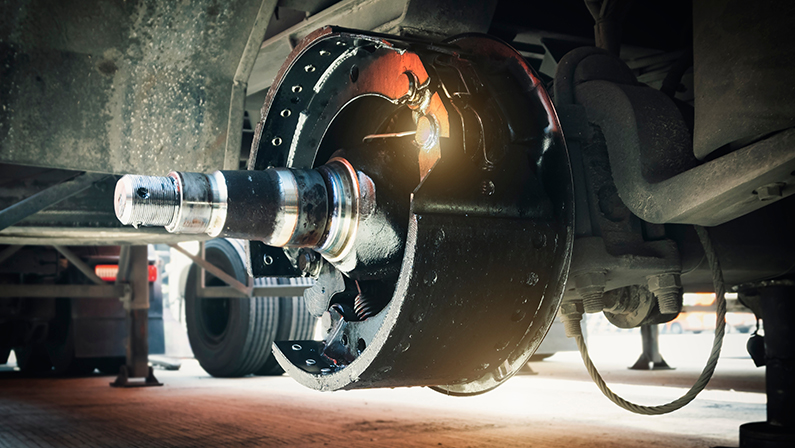
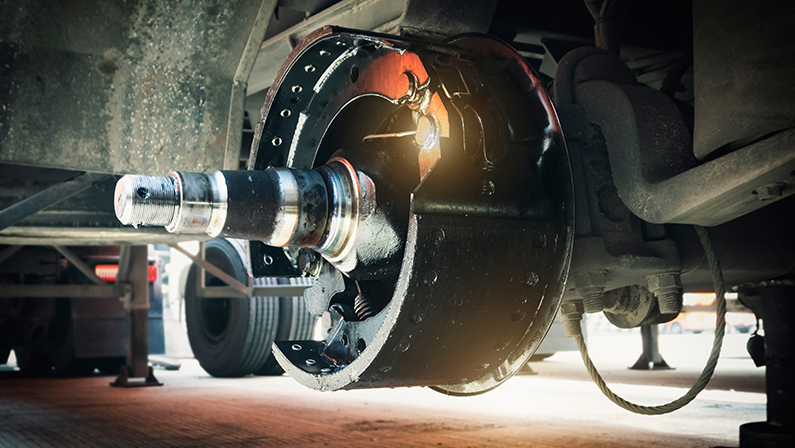
Embark on a comprehensive exploration into the intricate mechanics of trailer drum brakes, which is essential for ensuring a safe and efficient towing experience. Delve into their functionality as they convert hydraulic force into mechanical energy and engage brake shoes against the drum's interior surface through a multi-faceted process.
The pivotal hydraulic force conversion is at the core of trailer drum brake operation. When the brake pedal is depressed, hydraulic pressure is generated and transmitted through the brake lines to the wheel cylinders. This hydraulic force then acts on the brake shoes, causing them to be pushed against the interior surface of the drum. The resulting friction is a critical element of the transformative process that slows down the trailer.
As the brake shoes press against the drum, a controlled level of friction is created. This friction serves a dual purpose—transforming kinetic energy into heat and slowing down the trailer. The excellent heat generation is crucial for effective braking without causing excessive wear to the brake components. Understanding this frictional process is fundamental to comprehending the balance between heat generation and efficient braking performance.
Many modern drum brakes incorporate a self-adjusting mechanism, a technological advancement that ensures optimal brake performance over time. This ingenious system automatically compensates for brake shoe wear by adjusting the distance between the shoes and the drum.
This feature to adjust drum brakes on a trailer not only prolongs the lifespan of the brake system but also contributes to consistent and reliable braking performance, making it a valuable component in the overall safety and functionality of trailer drum brakes.
Discover why trailer drum brakes are paramount for a secure towing experience. Their significance lies in:
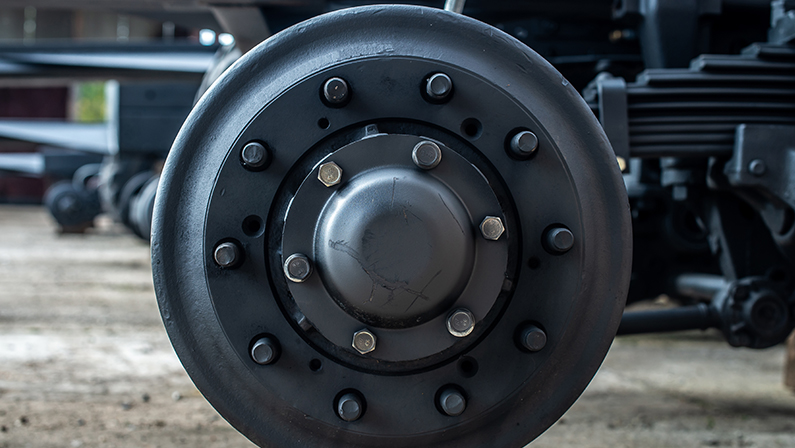
Drum brakes provide reliable deceleration, which is crucial for maintaining control and preventing accidents during sudden stops or downhill descents. This feature is essential in emergencies, enhancing the overall safety of your towing experience.
Ensuring even brake force distribution, drum brakes contribute to stable and predictable braking, reducing the risk of trailer swaying. This balanced distribution minimizes the likelihood of uneven wear on the brake components, promoting consistent performance over time and enhancing overall safety.
Well-suited for heavy-duty applications, trailer drum brakes offer robust stopping power, accommodating the demands of sizable loads with enhanced safety margins. The ability to handle heavy loads is crucial for preventing accidents and ensuring the safety of the driver and cargo's safety.
Resilient in diverse weather conditions, drum brakes perform consistently, offering reliable braking performance whether you're navigating rain-slicked roads or dry terrains. This adaptability enhances safety by providing consistent stopping power in various environmental conditions, making trailer drum brakes a reliable choice for year-round towing.
As you venture into acquiring trailer drum brakes, strategic considerations are critical. Ensure a well-informed decision by exploring:
Ensure the chosen drum brakes seamlessly integrate with your specific trailer and towing setup. Compatibility guarantees optimal performance and safety on the road. Check the manufacturer's specifications to match the braking system with your vehicle's requirements, ensuring a harmonious fit that enhances overall towing performance.
Evaluate the construction materials of the drum brakes. Opt for durability to withstand the rigors of towing, providing longevity and consistent performance. Look for materials like high-grade steel or other corrosion-resistant alloys, as they contribute to the brakes' longevity and ensure reliability in diverse weather conditions and terrains.
Choose reliability by opting for drum brakes from reputable manufacturers. Established brands often offer quality assurance backed by industry trust and positive user experiences. Investigate the manufacturer's reputation in the automotive industry, read reviews, and seek recommendations to make an informed choice, ensuring that the brakes meet stringent quality standards and adhere to safety regulations.
Balancing cost and quality is pivotal. Explore pricing options that align with your budget while focusing on the overall value and performance that the drum brakes deliver. Consider the long-term cost-effectiveness of durable brakes, factoring in potential maintenance and replacement cost savings. Remember that an upfront investment in high-quality drum brakes can pay off in terms of safety and performance over the lifespan of your trailer.

When acquiring trailer brake drums, navigating the market is essential. Explore reliable sources for your purchase, considering the following:
Understanding the intricacies of trailer drum brakes is vital for safe towing. It is important to know where to get the leading trailing drum brakes and trusted trailer manufacturers.
Explore Norstar Company's inventory for a reliable source—your go-to destination for quality drum brakes. Take the next step in ensuring a secure towing experience by checking our inventory of trailer trucks. Your journey begins with dependable brakes and trustworthy equipment.